
We all know names like Thomas Edison and Alexander Graham Bell, but what about all the women inventors whose creations we use every day? Women invented windshield wipers, the first computer program, life rafts, the paper bag, Kevlar, fire escapes and, mind you, chocolate chip cookies. If good ideas had only come from people who looked like the founding fathers, then a wealth of advances and joys might have been delayed or missed entirely.
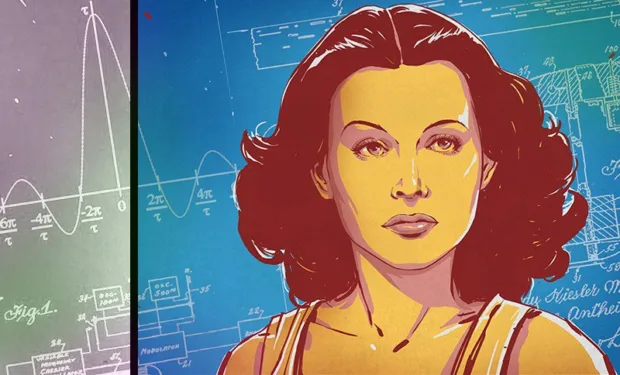
The following women, whose inventions changed the world, rarely got credit. The sad truth is that we live in a world where men are respected for their accomplishments and women are routinely taken advantage of. In fact, in most cases men they knew stole their credit and fame. That’s why it’s all the more important that we share this article and give these amazing, yet underappreciated, women the credit they’re due.
Hedy Lamarr
Hedy Lamarr, once dubbed “the most beautiful woman in the world”, was a lonely movie star who fled Austria to the US during the war. She was so lonely, in fact, that she spent her evenings alone, surrounded by engineering books, inventing everything from a better tissue box to a new traffic signal.
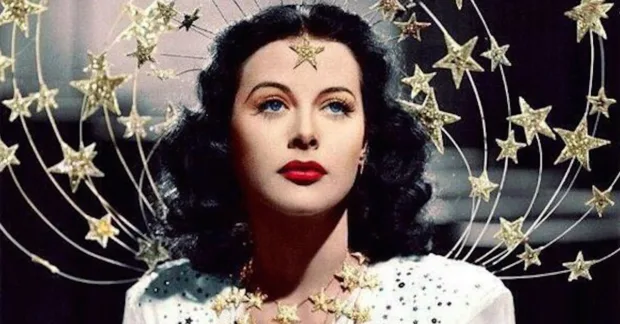
But it was her system of frequency hopping that she invented during World War II to assist the US Navy, that is still used today in wireless communications technology like Bluetooth, GPS, and Wi-Fi.
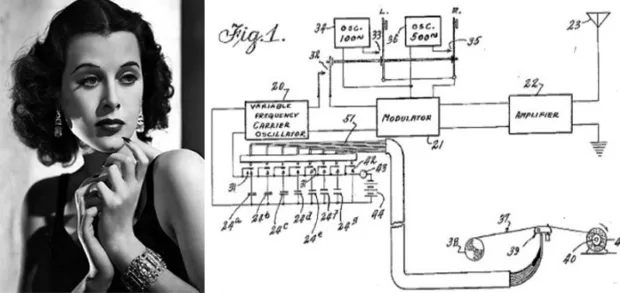
Her frequency hopping system helped win America the war, but when she first approached the US Government with her ideas, she was scoffed at and told to stop her ‘silly inventing’ and instead use her beauty to raise money for the war. She signed over her patent to the government for no money at all. Right after she did so, others took her ideas and ran with them, taking full credit.
It took 50 years for her to finally get the credit she deserved, and yet all her obituaries talked about was her beauty, with only a passing mention of her invention.
Elizabeth Magie
Unlike most women of her era, Elizabeth Magie supported herself and didn’t marry until she was 44. She worked various jobs and spent her leisure time performing standup comedy and creating a board game that was an expression of her strongly held political beliefs.
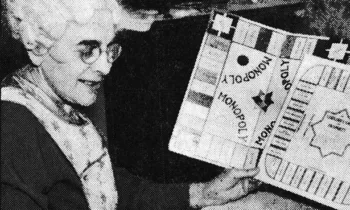
She was in her 30s when she applied for a patent for her game in 1903, after years of developing and revising the game. She represented the less than 1 percent of all patent applicants at the time who were women. (Elizabeth also dabbled in engineering; in her 20s, she invented a gadget that allowed paper to pass through typewriter rollers with more ease.)
In 1904 she started producing her board game, which she called Landlords as a criticism of capitalism and land monopolism. She had created two sets of rules for her game: an anti-monopolist set in which all were rewarded when wealth was created, and a monopolist set in which the goal was to create monopolies and crush opponents. Her dualistic approach was a teaching tool meant to demonstrate that the first set of rules was morally superior.

In an ironic twist, Charles Darrow stole the idea from her and sold it to Parker Brothers as Monopoly. He got all the credit, but now we know that all those game-night family feuds were really thanks to Elizabeth Magie. The completely fabricated tale, repeated for decades and tucked into the game’s box, was that an unemployed man named Charles Darrow invented the game in the 1930s. He sold it and became a millionaire, his inventiveness saving him — and Parker Brothers, the beloved New England board game maker — from the brink of destruction. It’s a great ‘American Dream’ story — except it isn’t true.
As they realized that the game would be a success, Parker Brothers convinced Elizabeth to accept $500 for the patent for The Landlord Game and two other games she created, with no royalties. She had no idea that other game inventors had gotten paid much, much more for their inventions, or that Parker Brothers would do their best to erase her name from history.
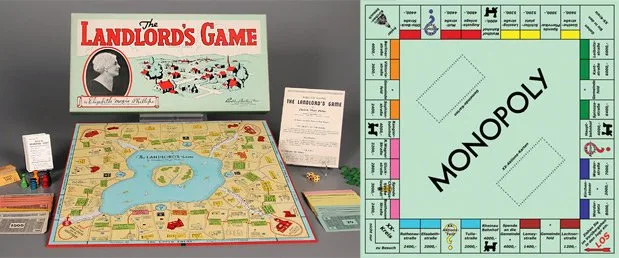
The New York Times reported that, in a series of 1936 interviews, she expressed anger at Darrow’s appropriation of her idea. Then elderly, her gray hair tied back in a bun, she hoisted her own game boards before a photographer’s lens to prove that she was the game’s true creator. “Probably, if one counts lawyer’s, printer’s and Patent Office fees used up in developing it,” The Evening Star said, “the game has cost her more than she made from it.”
In 1948, Elizabeth Magie died alone, in relative obscurity and relatively poor. Neither her headstone nor her obituary mentions her role in the creation of Monopoly.
Lilian Gilbreth
Lillian Gilbreth é conhecida por muitas coisas, mas talvez acima de tudo como uma das primeiras mulheres a “ter tudo” – uma carreira e doze filhos. É a Lillian Gilbreth que você deve agradecer por invenções como a lata de lixo com pedal e as prateleiras das portas da geladeira. Também conhecida como a mãe deÀ dúzia é mais barato, achamos que seus 12 filhos tiveram algo a ver com seu desejo de tornar tudo eficiente.
Ela e o marido escreveram vários livros juntos (supomos que ela escreveu a maior parte), no entanto, Lillian nunca foi nomeada coautora porque os editores estavam preocupados com a credibilidade dos livros, caso se soubesse que uma mulher era uma delas. dos autores – apesar de Lillian ter doutorado e Frank não ter frequentado a universidade.
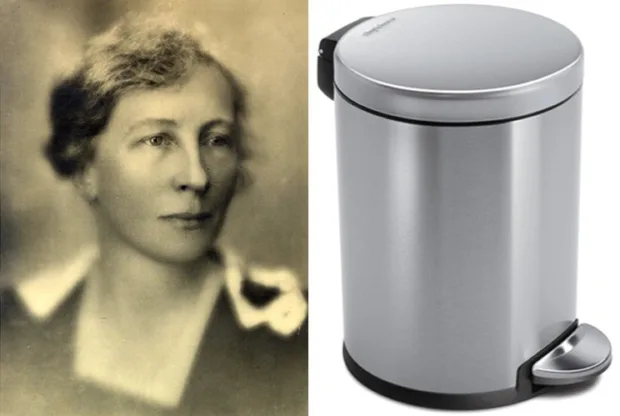
Quando seu marido morreu repentinamente de ataque cardíaco aos 56 anos, Ela se tornou mãe solteira. sua Tentativa de prosseguir com o negócio de consultoria do casal foi colocada em risco, pois algumas empresas se recusaram a fazer negócios com Uma mulher. sem desanimar, ela seguiu em frente e teve bastante sucesso.

Lillian não é apenas uma inventora, mas também psicóloga, consultora de gestão, conhecida como a 'Mãe da Gestão Moderna', e se tornou a primeira professora na escola de engenharia de Purdue. Durante sua vida, esta mulher brilhante recebeu muitos prêmios e homenagens, incluindo vinte títulos honorários. Ela foi a primeira mulher membro da Sociedade de Engenheiros Industriais, membro da American Psychological Association, a primeira mulher a receber a Medalha Hoover por serviço público distinto prestado por um engenheiro e foi a primeira psicóloga a ter um selo postal dos Estados Unidos. emitido em sua homenagem.
Margaret Cavaleiro
Gosta de fazer compras? Bem, então você deve saber que deve agradecer a Margaret Knight por todas aquelas sacolas de compras. Os sacos de papel costumavam ter o formato de envelopes. Isto é, até Margaret Knight decidir que gostaria de uma bolsa com fundo plano e redesenhá-la. Quando ela percebeu que era difícil dobrar sacolas dessa maneira à mão, ela começou a inventar a primeira máquina para fazer sacolas de papel.
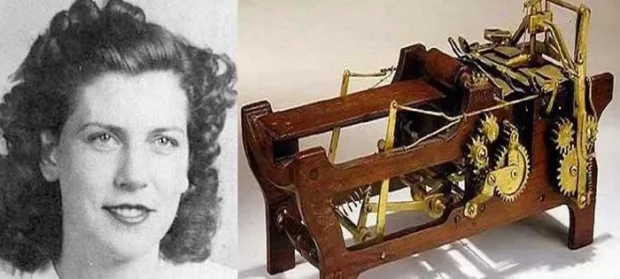
Depois de criar a máquina e as sacolas, ela fez uma demonstração para um amigo e colega maquinista chamado Charles Anan. Ele prontamente roubou suas ideias e planos e registrou uma patente, fingindo ser o inventor. Ela descobriu quando tentou registrar sua própria patente e foi rejeitada. Ela o processou e ganhou (seus anos de anotações ajudaram), fundando a primeira empresa de fabricação de sacolas de papel.

Margaret, “aos setenta anos, está trabalhando vinte horas por dia em sua 89ª invenção”, relatou o New York Times em 19 de outubro de 1913. Que inspirador!
Rosalind Franklin
Se você prestou atenção nas aulas de biologia do ensino médio, provavelmente se lembra dos nomes Watson e Crick. Foram eles que ganharam o Prêmio Nobel de Medicina de 1962 por modelar a estrutura da molécula de DNA e explicar como a forma se presta à replicação. A questão é que roubaram o crédito de uma mulher chamada Rosalind Franklin.
Esses homens eram colegas de trabalho dela que não gostavam dela. Eles pensavam que as mulheres deveriam ser assistentes, não cientistas. Naquela época, as mulheres não tinham permissão para entrar no refeitório e eram forçadas a sair do prédio durante o almoço (para que os homens pudessem ter seu tempo livre, presumo), e durante esse período Watson e Crick roubaram as anotações de Rosalind e depois levaram o crédito por suas descobertas.
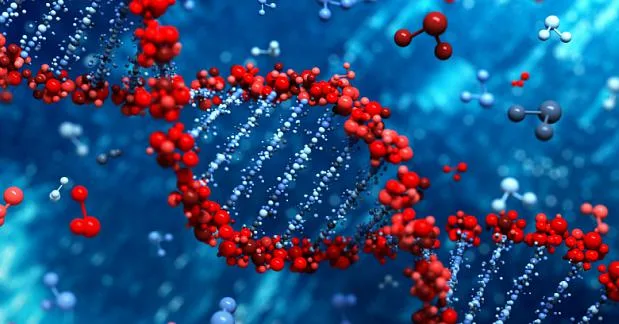
Desanimada, ela renunciou ao seu direito de continuar trabalhando com DNA para poder rescindir o contrato de trabalho e se mudar para outra cidade, deixando essa traição para trás. Na época em que “The Double Helix” foi escrito, Franklin era retratado quase como um vilão no livro. Watson a descreve como uma “mulher beligerante e emotiva, incapaz de interpretar seus próprios dados”.
Embora ela tenha feito descobertas importantes sobre os vírus que lançaram as bases da virologia moderna, foi apenas na última década que a contribuição de Franklin foi reconhecida e homenageada. Embora você possa não ter usado suas descobertas diretamente, você deve agradecer a essa descoberta por muitos avanços na melhoria de vida (e na resolução de crimes). Hoje, existem muitas novas instalações, bolsas de estudo e subsídios de investigação – especialmente aqueles para mulheres – nomeados em sua homenagem.
E aqui estão mais doze mulheres que também merecem ser reconhecidas, e em muitos casos foram:
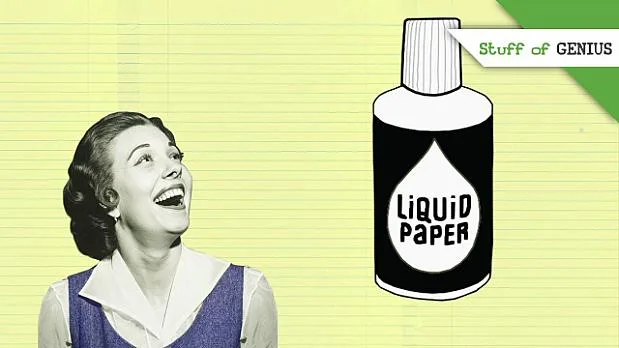
Bette Nesmith Graham: Bette provou ser melhor inventora do que digitadora quando se cansou de redigitar páginas e criou papel líquido para encobrir seus erros. Ela começou a vendê-lo em 1956 e vendeu sua empresa para a Gillette Corporation em 1979 por US$ 47,5 milhões de dólares. Estamos felizesalguém nesta lista obtiveram algum reconhecimento por seu brilhantismo.
Melita Bentz:Tirar a borra de café do fundo da caneca é a pior coisa e, graças a Melitta e sua invenção do filtro de café de papel, você nunca precisará fazer isso. Nesta semana de provas finais, meus colegas e eu não temos nada além de gratidão pela mulher que tornou possível nosso vício em café
Maria Beasley: No final de 1800, Maria decidiu que alguém provavelmente deveria fazer algo a respeito de todas as pessoas que morriam no mar, então ela inventou o bote salva-vidas. Agora, se ao menos as pessoas no Titanic tivessem ouvido…
Maria Jacó: Entre o formato justo e o material de osso de baleia, os primeiros sutiãs foram basicamente desenhados por Satanás. Mary decidiu que provavelmente ajudaria se os sutiãs fossem, você sabe, realmente moldados para se ajustarem à anatomia feminina. Então, ela inventou o sutiã moderno, muito mais confortável, e vendeu a patente para a Warners por uma pequena quantia.
Sarah Goode: Goode foi a primeira mulher afro-americana a obter uma patente nos EUA em 1885 para sua cama dobrável. Ela não se limitou à praticidade - Goode garantiu que todas as camas fossem bonitas também.
Stephanie Kwolek: Se você é um agente supersecreto que sobreviveu a um tiro, você tem que agradecer a Stephanie. Ela inventou o Kevlar, material usado em coletes à prova de balas. Caso contrário, você pode agradecê-la pelos cabos, pneus e por saber que, caso você mude de carreira, ela estará ao seu lado.
Virgínia Apgar: O teste de Apgar usado para verificar o estado de saúde de um bebê UMAaparência, Pentão, Grima, UMAatividade, e Ra esperança após o nascimento é graças a Virginia. Ela deve ter aprendido com todas as outras mulheres inventoras que viram um homem receber o crédito por suas invenções, porque ela colocou seu nome em tudo isso.
Katharine Blogdett: Katharine inventou o vidro anti-reflexo usado em coisas como lentes de câmeras, telescópios e óculos. É a ela que você deve agradecer por aquela foto que seu amigo tirou em um ângulo que faz você parecer que tem dez queixos. Obrigada, Katarine!
Mulheres da Antiga Mesopotâmia: Ah, cerveja. O companheiro clássico de qualquer garoto idiota de fraternidade, está sempre lá para nos lançar um anúncio misógino. Mas era uma vez que a cerveja era na verdade domínio das mulheres. As mulheres mesopotâmicas são creditadas pela criação da cerveja, e a maioria das civilizações antigas agradecia a uma deusa, e não a um deus, pela sua bebida.
Maria Anderson: Quando mary inventou os limpadores de Para-brisa em 1903, todos pensaram que isso seria uma distração demais para os motoristas. Em 1916, todos descobriram que não ser capaz de ver distrai um pouco mais, e sua invenção se tornou um acessório padrão.
Ruth Wakefield: No melhor acidente de todos os tempos, Ruth ficou sem chocolate para assar. Ela usou pedaços de chocolate, esperando que derretessem. Em vez disso, ganhamos o biscoito com gotas de chocolate, provando que procrastinar nas compras pode ter alguns efeitos colaterais positivos, afinal.
Josefina Cochrane: Depois que Josephine percebeu que seus servos lascavam seus pratos, ela mesma começou a lavá-los. Quando isso envelheceu, ela inventou a máquina de lavar louça para fazer isso por ela. Se essa não é a melhor reação a qualquer tarefa chata, não sabemos o que é.
And for all the women who still haven’t gotten the credit they deserve – we salute you, and we promise to honor you by continuing the feminist movement to ensure that women are marginalized less and less as years pass.






This is true Gold! Amen to all of that Hilary. We need more history like this in the classroom.
Awesome….I knew some of these but cool to get history right! 😀
Great article! I wonder if I’d be able to read a book about different women who are forerunners in sciences. Would love to learn more about them!
It’s time for a change! Men have been taking credit at the expense of women 🙁
Impressive and well-researched article, Hilary! These amazing women deserve acknowledgment!
There are many women who are very inventive, but their names are rarely known, toiling away in obscurity. Why? Largely because women are taught that it isn’t “lady-like” to self-promote… and in fact, are often “punished” socially for having done so, if they do… but men like Thomas Edison were rewarded for self-promotion…
Fantastic article!
It’s motivating to discover and know more about these brilliant female inventions which date back… years ago. It’s just disheartening to know that some women did not receive recognition during their lifetime for their work (and others even died in the name of research). But it’s inspiring that the impact of their inventions lives on…
Very empowering piece! Women’s role in Science and Technology is often underestimated and ignored. Your article proves that Technology is not just a “man thing.” These women’s achievements made me proud!
Interesting and inspiring article! Thank you for sharing and introducing them to your readers. I must admit, I’m not familiar with most of the names.
I know right!!! These women inventors are hard to find in books. And yeah, I barely know them (my bad!!!). More articles discussing “Feminine Ingenuity” should be written! Thanks for writing about them!
Incredible article! Thanks for writing about them. You’re right, women don’t receive “enough” credits (or will take years for them to be acknowledged) for their ingenuity. I’m particularly impressed with Hedy Lamarr.
Impressive women inventors! I must admit, I felt sad about Elizabeth Magie — dying alone, relatively poor and not receiving enough recognition for her work…