
A 148 millones de personas (¡incluyéndome a mí!) les robaron su información cuando Equifax, una importante agencia de crédito que recopila toda su información personal y confidencial (todo lo que los ladrones necesitarían para hacerse pasar por usted), fue pirateada. Pero este no fue el primer gran hackeo ni será el último.

Imagínese que está trabajando duro para ahorrar para ese automóvil o esa casa que siempre quiso, o ese préstamo comercial que tanto necesita para llevar su negocio al siguiente nivel. De la nada, empiezas a recibir por correo extractos de préstamos de bancos en los que no tienes cuentas. Solo empeora cuando se le notifican las compras que no ha realizado de varios artículos costosos. O tal vez no recibe ningún aviso y sólo se da cuenta años después cuando solicita ese préstamo; tu crédito ha pasado de 800 a 100. ¿Qué está pasando?
El concepto de robo de identidad alguna vez fue una idea descabellada, pero ahora se ha convertido en una súper-delincuencia común. Más de 8 millones de estadounidenses fueron víctimas de robo de identidad sólo el año pasado, un delito que asciende a más de 45 mil millones de dólares.
Los delincuentes pueden hacerse pasar por usted y realizar transacciones financieras (como abrir tarjetas de crédito, solicitar préstamos, comprar automóviles, etc.) utilizando suNúmero de identidad y seguro social. Los delincuentes pueden obtener su información de varias maneras, como piratería, software espía o simplemente enviando por correo cualquiera de las ofertas de tarjetas de crédito preaprobadas que se le enviaron no solicitadas (más sobre esto; consulte el consejo n.° 3).

Cree que puede obtener un seguimiento crediticio y “protección” servicio para protegerte? Piensa otra vez. Esos servicios cobran una pequeña fortuna por lo que puedes obtener gratis y no previenen el robo de identidad; simplemente te avisan que hay un problema después del hecho. #inútil
Hay formas de protegerse del robo de identidad y evitar que le suceda algo como esto. Los pasos son sorprendentemente fáciles y mejores que la alternativa de pasar meses tratando con los bancos y las agencias de crédito para desenredar sus problemas de crédito y deuda. Sigue leyendo:
1. Don’t show your signature!
It’s really important that a copy of your signature doesn’t get into the hands of identity thieves since a lot of credit card companies, banks, etc. use your signature as proof that it was you opening the account or placing the transaction.
- Instead of signing the back of your credit cards, put in there “PHOTO ID REQUIRED”. This makes sure the credit card company will have to refund you if your credit card is stolen and used, since if the criminal forges your signature and it looks similar to your real signature, the credit card company will hold you responsible for the charges. #sneaky!
- Always sign paper reciepts for packages and purchases using your initials (unless it’s a digital screen where the clerk can’t see your signature). There’s no good reason to use your real signature unless you’re signing a contract or official documents. The less service people (waiters, delivery people, etc.) see your real signature, the better.

2. Put a freeze on your account. This is the most important step — by far. Having a credit freeze on your Social Security Number means that you’ll have to fill out a form (or make a phone call) and pay $5 to temporarily lift the freeze if you want to apply for a loan, cell phone, mortgage, etc. but it’s soooo worth it, since a freeze on your account means that identity thieves won’t be able to open any accounts or take out any loans in your name while the freeze is in place. Make sure to initiate a long-term freeze at all four credit agencies — here are links to instructions for each credit bureau:
- Experian
- Equifax
- Transunion
- Innovis
Keep in mind that the credit bureaus are super sleazy, and they’d rather you sign up and pay for their credit monitoring services, and then pay them again to help you clean up the mess when your credit is stolen. Don’t let them sell you on this crap. All you need is a freeze on your credit account. That’s it.
3. Tell the credit agencies not to share your info. They (unethically) make money by selling your info and credit report to companies who then send you solicitations for things like pre-approved credit cards. Criminals know how to tell when a pre-approved credit card offer is in the mail and grab it, sending it in accepting the offer and adding a change of address. Next thing they’re racking up charges (and putting you more and more in debt) for years behind your back and you have no idea, since you’re not getting the statements.
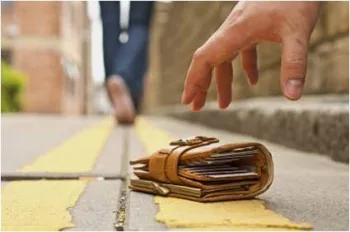
4. Make sure you have a copy of all the important contents of your wallet. Have the contents of your wallet photocopied or photographed on both sides — license, credit card, etc. Keep the photos in a safe but easily accessible place, like Google Drive or your locked filing cabinet at home. This way, you will know what you had in your wallet and all of the account numbers and phone numbers to call and notify.
5. When you lose your credit cards, cancel them immediately. As I just mentioned, a list of your various cards should be kept in a safe place (like in Sync.com, so you can access them from anywhere), including the card number and toll-free numbers displayed on the back of the card. If you lose your wallet or can’t find a card, pull up that file and call the card company to let them know your card was lost or stolen. Make calendar reminders to follow up with the credit card companies because, although they’re legally obligated, they often need several reminders before they credit you back funds from fraudulent purchases.

6. If your card is stolen, notify the authorities.
- File a police report immediately in the jurisdiction where they were stolen. This proves to credit providers you were diligent — and this is a first step toward an investigation should there be one.
- Also, call the four national credit reporting organizations immediately to place a fraud alert under your name and also call the Social Insurance fraud line number (see below). This will alert any company that checks your credit and they will have to contact you by phone to authorize new credit.
- Notify the FTC. This is only necessary if you think your identity has in fact been stolen. For credit card fraud, in which only a single account was compromised, an FTC report isn’t warranted. To file a report, you can visit the government website FTCComplaintAssistant.gov or call 1-877-ID-THEFT (438-4338).
7. Check your statements monthly. Go through each credit card and bank statement with a fine-tooth-comb. Make sure you recognize each and every transaction. If you don’t, then call the credit card company to get more info or to dispute the charge.
8. Check your credit yearly. Oh yeah, and you don’t have to pay for your credit report. The government mandates that, by law, you’re entitled to at least one free credit report from each agency each year (but the credit unions still try to trick you into paying anyhow). While plenty of websites and creditors promise free credit reports (then turn around and sell your information increasing your chances of identity theft, or sneakily sign you up to other services you don’t want), the official site to request them is AnnualCreditReport.com or by calling 877-322-8228.

…and a few more bonus tips:
- Create strong passwords and regularly change them, and enable “two-factor authentication” wherever possible (this means you’ll get a text message with a code that will let you login — but only for the first time you access that website on a new device).
- Shred receipts, credit offers, account statements, and expired credit cards, to prevent “dumpster divers” from getting your personal information.
- Keep personal information such as your address and phone number off social media sites, as well as any details you use for online security questions (like your mother’s maiden name).
- Do not carry your Social Security card in your wallet. Keep it in a locked safe at home.
- To prevent getting spyware installed on your computer don’t click unknown links in emails.
- Collect your mail promptly. Place a hold on your mail when you are away from home for several days.
- Want more? Here are some tips from the US Government.

Remember the numbers to call when your credit cards and SS card are lost/stolen:
Equifax: USA 888-766-0008 & Canada 800-465-7166
Experian (formerly TRW): 888-397-3742
Transunion: 800-680 7289
Innovis: 800-540-2505
Social Insurance (fraud line): USA 800-269-0271 & Canada 800-206-7218
The FTC: 877-ID-THEFT (877-438-4338)
Need another number? Try GetHuman.com to find a number that connects you to an actual human being.






Tip #8 is on top of my list! $5 is nothing compared to a HUGE amount of money that might be stolen by thieves.
This article is bookmarked!
I like the idea of “ID required” instead of signature.
One of my banks mobile banking feature that I love is “lock card.” By accessing the mobile app, I can lock and unlock my card.
Yeah, it’s very frustrating to have one’s identity (and money) stolen. Thank you so much for writing this useful and helpful article! Great tips!
This happened to my best friend. It was awful for her. Ever since, I’ve had my credit on a freeze to protect it. These tips are spot-on.
Mmmmm… "Photo ID required" advice sounds fantastic! Really a good plan to prevent identity theft.
I love the idea of “instead of signing, put PHOTO ID REQUIRED.” But for me, reporting it immediately is very important. Identity theft is a serious issue that we should really, really, really prevent!
I agree! It’s very important to report immediately. It’s a must that the important numbers are noted. Thanks for the reminder, Hilary!
These are really great suggestions. With identity theft becoming more common, it's important that people know how to protect themselves.
I agree with identity theft plan. That is very necessary. Identity-theft is a very serious crime and could lose everything. I would ever want to experience that.
Photo ID required does it! 🙂
When i was in Thailand for business, i left my purse in the airport ladies room. It had important documents in it, including my passport, money,driver’s license credit card, etc.
I went up to the help desk, they were very accommodating. Luckily, the woman who found it was an honest Peruvian who reported and returned my purse to the authorities not more than 20 minutes later. I was very lucky!
You’re so fortunate! Can’t imagine how stressful it would be if your purse wasn’t returned.