
Forget spring cleaning; it’s never too early (or too late!) to detox your home of items containing harmful chemicals. These poisons could potentially be contaminating the air you breathe and food you eat while simultaneously being marketed as safe.

Somewhere on the order of 70,000 different chemicals have been identified as toxic, and yet the FDA has banned only a fraction of a percent of those. Why? Thank the powerful industry lobbyists that make huge donations to dysfunctional American politicians. The bottom line: it’s up to us, as consumers, to educate and protect ourselves!
Don’t let corporations put your health at risk in the name of profit. Fight back by voting with your dollar!
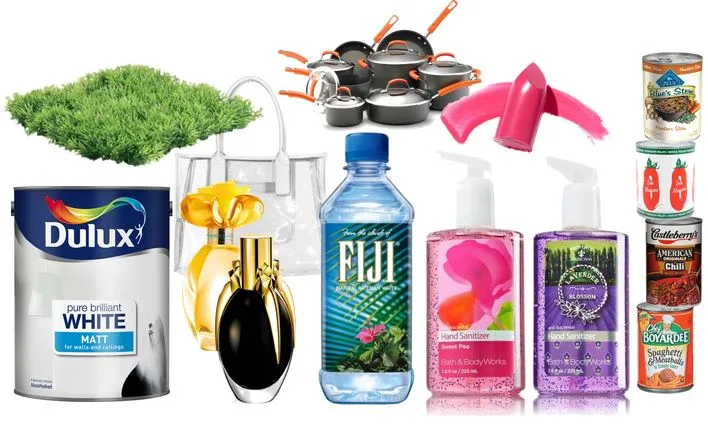
Here is a list of 10 items that you should get rid of; and if the act of throwing things away makes you want to simply give up, I’ve provided healthier alternatives to help you avoid the feeling as though you have just been robbed!
Produits Antibactériens
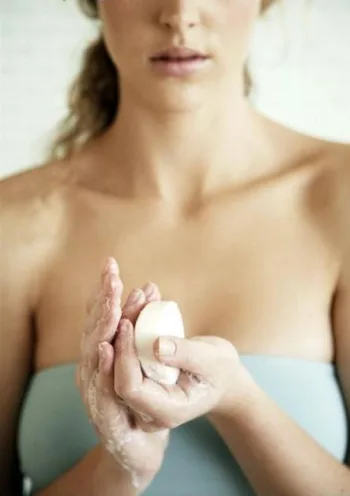
Le triclosan, un produit chimique antimicrobien, se trouve dans les produits antibactériens (savon, déodorant, dentifrice et bains de bouche). On pense que ce produit chimique affecte les niveaux d’hormones et la fonction thyroïdienne, en plus de nuire au système immunitaire.
De plus, les produits antibactériens ont désormais créé sur notre corps une nouvelle race de superbactéries résistantes au triclosan et aux antibiotiques. Effrayant.
Astuce de désintoxication chimique :
Utilisez du bon vieux savon et de l’eau ! Des études montrent que le même pourcentage de germes est tué par rapport à l'utilisation d'un savon antibactérien. Mais ne l'achetez pas à la pharmacie ou à l'épicerie : ces savons sont chargés de produits chimiques toxiques qui sont absorbés par votre peau. Achetez un savon biologique dans votre magasin d'aliments naturels local ou essayez celui du Dr Bronner. pains de savon ou savon liquide.
Si vous êtes fan de désinfectant pour les mains, utilisez celui qui est naturel et à base d’alcool et ne répertorie pas le produit chimique Triclosan sur son étiquette.
Parfums
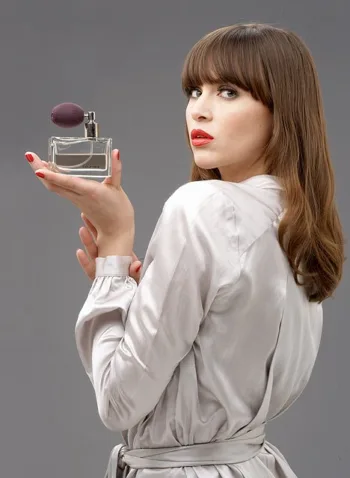
Se débarrasser des produits parfumés peut être un véritable exploit pour certains, mais les avantages en valent largement la peine !
Les produits parfumés sont probablement la toxine la plus répandue dans votre maison, y compris le parfum, les feuilles assouplissantes, les bougies, la laque, la lotion, crème solaire, poudre, désodorisant, bougies, désinfectant, etc.
Les produits chimiques contenus dans ces produits peuvent entraîner toute une série de risques accrus pour la santé, tels que le cancer du sein et l'asthme, car ils sont cancérigènes et perturbateurs des systèmes endocrinien et reproducteur de l'organisme.
"Une rose peut être une rose" rapporte le GTE. "Mais ce parfum de rose dans votre parfum peut être tout autre chose, concocté à partir d'un certain nombre des 3 100 ingrédients chimiques de base de l'industrie du parfum, dont le mélange est presque toujours caché au consommateur."
Astuce de désintoxication chimique :
Achetez des produits non parfumés lorsque cela est possible. Utiliser Huiles Essentielles 100% Biologiques dans un diffuseur/vaporisateur pour parfumer votre maison (mais soyez prudent si vous avez des animaux domestiques : comme les parfums artificiels, de nombreuses huiles essentielles sont très toxiques pour les animaux).
Évitez le parfum, mais si vous devoir portez du parfum, vaporisez-en une quantité minime sur vos vêtements, pas sur votre peau, et essayez de ne pas le respirer. Ou, mieux encore, mais un parfum naturel et utilisant des huiles essentielles, comme celui-ci de Pacifica.
Bougies
Les bougies peuvent être extrêmement toxiques car les cires de loin les plus couramment utilisées sont à base de pétrole (puisqu'il s'agit d'un sous-produit de l'industrie pétrolière, elles sont bon marché), ce qui libère les mêmes toxines comme carburant diesel dans l'air, y compris de multiples cancérigènes documentés. C'est essentiellement comme conduire votre voiture et respirer les gaz d'échappement à l'intérieur.
En plus de cela, les colorants et les parfums sont généralement fabriqués à partir de produits chimiques toxiques et bon marché que vous respirez lorsque vous les brûlez, et les mèches sont parfois fabriquées à partir de plomb (oui, mener!)

Astuce de désintoxication chimique :
Arrêtez d'utiliser des bougies parfumées avec des parfums chimiques et acheter des bougies 100% en cire végétale (comme la cire de soja) et parfumées aux huiles essentielles, et ont des mèches en coton. Assurez-vous que les bougies indiquent 100 % de soja, car de nombreux fabricants disent que leurs bougies sont à base de soja ou de « mélange de soja » alors qu'elles ne contiennent que 5 % de soja. #sournois!
Pour tester si votre mèche est en plomb, prenez un morceau de papier de cahier et frottez-le sur le dessus de la mèche non brûlée (coupez la mèche si vous l'avez déjà brûlée). S'il fait une marque ressemblant à celle d'un crayon graphite, il est probable qu'il contienne du plomb. Et si ça fait de la fumée noire, c'est toxique. Les bougies non toxiques produisent de la fumée blanche.
Les bougies sont également faciles à fabriquer soi-même, vous pouvez ensuite les parfumer comme bon vous semble et les mettre dans des contenants parfaitement adaptés à votre maison. Voici un super tutoriel de bougie DIY.
Vos produits de nettoyage
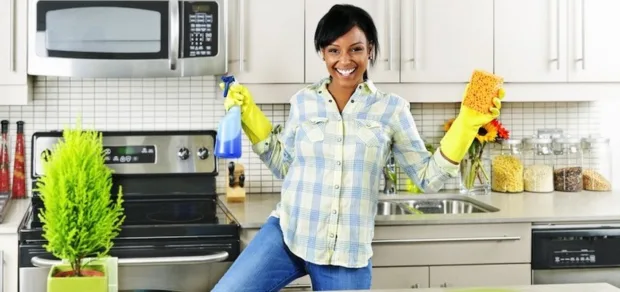
L’ironie est que nous utilisons des produits chimiques pour assurer la propreté de nos maisons. Malheureusement, un grand nombre de ces produits contiennent des produits chimiques très dangereux pour les humains et les animaux domestiques, pouvant provoquer des vomissements (juste en inhalant les vapeurs !), des perturbations hormonales, des lésions organiques, des cancers, des éruptions cutanées, des brûlures et des irritations.
Astuce de désintoxication chimique :
Les nettoyants de loin les plus sûrs, les moins chers et les plus efficaces sont ceux que vous possédez probablement déjà : vous serez surpris des nombreuses utilisations du bicarbonate de soude et du vinaigre blanc (ils constituent un excellent nettoyant pour canalisations, désinfectant, nettoyant pour vitres, etc.) Voici comment.
Si vous ne souhaitez pas vous renseigner sur les méthodes de nettoyage naturelles, utilisez des produits de nettoyage labellisés écologiques et contenant uniquement des ingrédients naturels (mais attention, car ces termes ne sont pas réglementés et ces produits peuvent quand même être toxiques !) C'est plus simple pour trouver des produits de nettoyage non toxiques dans votre magasin d'aliments naturels ou Whole Foods, etSeptième GénérationLa marque est largement disponible.
Pesticides
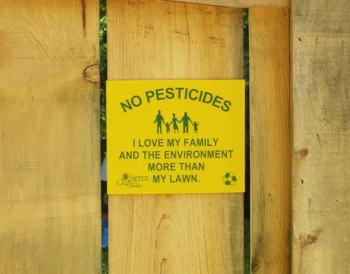
Vous savez que les pesticides présents dans vos aliments sont mauvais, mais vous n’avez peut-être pas envisagé d’autres types de pesticides.
Utilisés pour éliminer les mauvaises herbes et les insectes dans la cour, les produits anti-mauvaises herbes pour votre jardin ou votre pelouse contiennent des produits chimiques qui sont facilement traqués à l'intérieur (ou voyagent dans l'air à travers vos fenêtres) et sont connus pour causer des lésions cérébrales et diverses formes de cancer.

Astuce de désintoxication chimique :
Entretien de la pelouse sans produits chimiques – ces remèdes sont nombreux, il suffit d'un peu de temps et d'efforts pour les rechercher et les mettre en œuvre en fonction de vos besoins personnels. Vérifier ces idées utiles.
Cans and Plastic Bottles
Bisphenol-A, also known as BPA, is a chemical found in the lining of canned goods, processed foods, plastic containers, and other food packaging. BPA has been banned in many countries (not the U.S., yet), and has been linked to cancer, heart disease, depression, emotional detachment and much more. Many food distributors have switched to ‘BPA free’ products and packaging, but the chemical they are using instead (BPS) is proving to be just as harmful – if not more.
En savoir plus: Is any plastic safe?

Astuce de désintoxication chimique :
Purchase fresh, dried, or frozen foods, or foods that come in a glass or stainless steel container. Don’t purchase products packaged in a way that allows the food to touch plastic or tin. Line your plastic containers with wax paper (not tin foil, which comes with its own toxicity problems) or, better yet, buy glass food storage containers.
Water
Recent tests have shown that roughly half of the tap water across America is contaminated with lead. But it doesn’t have to have lead in it to still be bad for you. The government adds several harmful chemicals to tap water to sterilize it …and simply because the politicians are in the pockets of the chemical industry. Take fluoride, for example. It’s been proven to have no effect on teeth or gum health, and despite the fact that it causes brain damage and isn’t added to the water in Europe, it’s still in the water in America. Here’s more about all the nasty ways that fluoride messes with your health. #corruption
Think you’re safer with bottled water? Consumers of bottled water unknowingly continue to purchase water by the case to avoid common contaminants in drinking water. The problem is that the contaminants in their tap are the same contaminants found in bottled water, PLUS added chemicals that seep out of the plastic (whether it gets warm or not). Most bottled water is tap water, it’s just bottled! Let’s not even get started on the amount of waste that is generated from the packaging.

Astuce de désintoxication chimique :
Get a water filter that has had third-party testing and doesn’t use plastic. The best above-counter one we could find was the Berkey System (make sure to buy the fluoride filters with it). Reusable stainless steel or glass bottles are also a great idea.
Paint
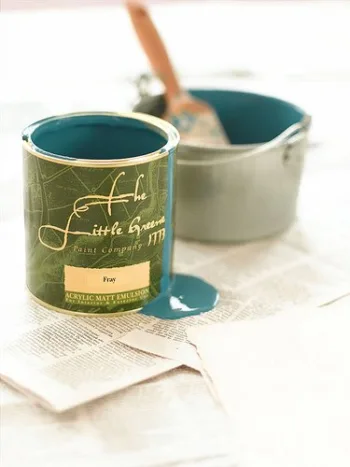
Nothing freshens and brightens a space like a fresh coat of paint; until you realize that your oil-base paint contains hundreds of chemicals and carcinogens! Oil-based paints are the worst, but even water-based paints have these nasty things called VOC’s that go into the air and into your lungs, causing cancer. Think you can protect yourself by wearing a mask while painting? Nope. These chemicals have been proven to release continuously over many years.
Astuce de désintoxication chimique :
Don’t be discouraged and refrain from painting; in fact, this is all the more reason to cover up your old VOC-laden walls with some new non-VOC paint. Simply opt for water-based finishes that are labeled VOC-free. The bonus? You can kiss that nasty paint-smell goodbye, because VOC-free paints don’t have any scent.
Nonstick Pots & Pans
Scientists and the EPA agree that perfluorinated chemicals (PFCs) found in non-stick coatings have been repeatedly linked to cancer, thyroid disease, miscarriage, and birth defects. PFCs are also randomly found in pizza boxes, microwaveable popcorn bags, dental floss, some clothing and furniture. There have been lawsuits and industry coverups, but these terrible chemicals are still widely available in the cookware aisle thanks to corrupt politicians and chemical industry lobbyists.
As a side note, PFC’s are also found in stain-resistant clothing and carpets, fast food containers, microwave popcorn bags, and raincoats.

Astuce de désintoxication chimique :
Avoid anything that is nonstick (except for silicone). Throw out your pots and pans and replace them with stainless steel ones with silver (no a dark color or coating) on the inside (we love this cookware set, and this baking pan). For a non-stick effect, line your baking pans with a silicone baking sheet or use organic coconut oil-based non-stick cooking spray (do not use olive oil to cook at high heat as it becomes carcinogenic). Camelina oil has a super high Omega 3 ratio (meaning it’s very healthy and anti-inflammatory) and can be safely heated at high temperatures… it also works as a great makeup remover and moisturiser! As always, make sure your oils are packaged in glass, not plastic.
Vinyl / PVC
We know plastic is not eco-friendly for many reasons, but vinyl is the worst of all plastics. The EU (European Union) and over ten other countries have banned many forms PVC (including vinyl), because it causes cancer, reproductive problems, and is an endocrine disruptor (think cancerous tumors, birth defects, and other developmental disorders).

PVC is most commonly found in flooring and toys. The chemicals in PVC have been linked to hormone disruption and eventually contaminate the air — and you! Children in homes with vinyl flooring containing PVC are nearly 90% more likely to develop bronchial obstruction and symptoms of asthma compared to children living in homes with floors that are PVC-free.
Astuce de désintoxication chimique :
It may not be practical to rip your PVC floor out, but consider updating and investing in cork flooring, which is super sustainable and healthy. A cork floor provides a comfortable cushion underfoot because it “gives” when compressed. Cork is also a natural thermal and acoustic insulator, which means rooms with cork flooring are naturally warm and quiet. Aesthetically versatile, cork flooring is available in tiles and planks in many styles, colors and sizes. You can even get it in planks that mimic the look of wood.
If your child (or cat’s) PVC toy happens to go missing, I’m sure you can outsmart them through the purchase of a new (healthier) one!
Make sure your shower curtain isn’t vinyl. If it is, replace it with a non-toxic shower curtain.

These tips are easy to do and could save you, your pets or your family from some serious health conditions.
Bonus Tip: Air Filters & Conditioners
Watch out for air filters and air conditioners that produce negative ions. (If you smell a faint chlorine-like smell, it’s toxic.) Because ionizing air cleaners produce ozone, a byproduct that has been examined through almost a century as a harmful pollutant and a known lung irritant – you may assume that these products have long since been removed from the market. Alas, as self-regulated industry became filled with dubious products, many manufacturers and retailers continued to carry and sell air ionizers, despite the proven dangers of ozone production. In fact, many manufacturers these days often include ionizing features into their air purifiers to simply “pad” the feature list to justify the air purifier’s higher cost. There is some irony in purchasing a product that is supposed to improve your indoor air quality, but instead introduces a pollutant byproduct into your home.
Here are more of my favorite products for a healthy home:
Check out the GreenGuard Guide to Manufacturers, EWG, and ConsumerSafety.org before you buy products. They’ll tell you if the product you’re about to buy is going to off-gas toxic disease-causing chemicals into your home for years to come.
I know — it’s a minefield, and there’s a lot to remember, but it’s your health and your future that’s at stake!





When you do these things, you’re helping build a better world for the future generations.
By using eco-friendly products, each person is contributing to the safety and preservation of the resources provided by the planet.
This is actually the first step to reducing all the damage we have done, if not reverse.
I also read somewhere that the anti-bacterial soaps might lead to other health problems, too. There’s evidence that children with prolonged exposure to triclosan have a higher chance of developing allergies, including peanut allergies and hay fever. Triclosan also interfered with muscle contractions in human cells, as well as muscle activity in live mice. This is especially concerning given other findings that the chemical can penetrate the skin and enter the bloodstream more easily than originally thought. It’s just right to just use plain soaps. It does its job.
In today’s world, the planet needs our help. Our abuse and misuse of resources has put the planet in a difficult predicament, and we are the only ones that can stop the detriment.
This is true. As much as we have advanced in technology and all that, we’re still destroying the planet 10x as much compared to the old age.
Some weeds you can eat, some weeds are pretty, and other weeds are signs of a problem. If you want your lawn to be healthy, clover is a good weed to have in the landscape. It usually appears when your soil is low in nitrogen levels, but it helps fix the problem by bringing nitrogen to the soil. Solution: Leave it alone! When you mow, the clover clippings will add nitrogen to your lawn, helping to fix the problem without fertilizer. This is chemical-free.
Pesticides are so bad for our children. They made a study about how much pesticides children had inside their body and it was unbelievable. 🙁
It’s amazing that it’s legal to sell products that cause cancer. I mean, with cigarettes everyone knows… but this?!
This is a great overall guide with suggestions to boot! Love it!
Good tips on what to eliminate for a healthier, less toxic home. And really, bottled water is so passe, especially since it's so well known about the plastic leaching and the plastic bottle pollution issue.
Excellent tips on what toxic products to eliminate – that you may not even know were toxic – plus suggestions for non-toxic alternatives.