
Ist es nicht fair, gewarnt zu werden, wenn etwas gesundheitsgefährdend ist? Auf Zigarettenschachteln sind riesige, warnende Gesundheitsaufkleber angebracht, und sogar Achterbahnen sind mit Warnschildern versehen, bevor man die Fahrt betritt. Warum gibt es das nicht auch in Zeitschriften? Im psychologischen Sinne können uns falsche Darstellungen von Bildern schaden, unabhängig davon, ob wir versuchen, dies zu vermeiden oder nicht.
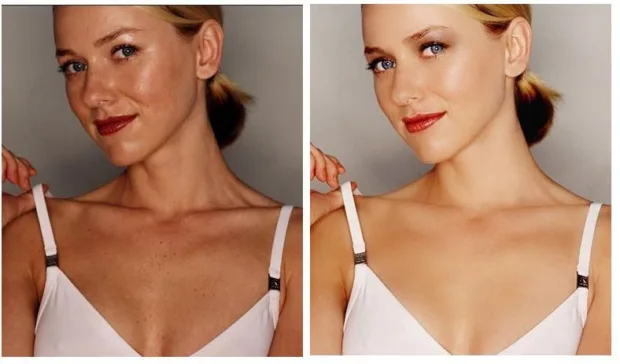
Die meisten Frauen sind sich nicht mehr darüber im Klaren, dass die in Zeitschriften und Printanzeigen gezeigten Bilder digital manipuliert werden, um absolut makellos auszusehen (25 Beispiele finden Sie hier), und dennoch können wir nicht umhin, die perfekte Haut und die auffälligen Kurven zu bewundern. Es ist, als ob die Fiktion aufgrund der Verdrahtung unseres Gehirns die Fakten außer Kraft setzt.
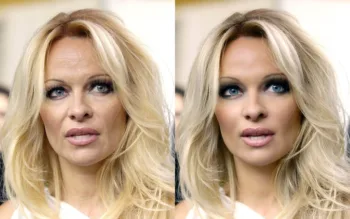
Wenn die meisten informierten erwachsenen Frauen von diesen unrealistischen Bildern beeinflusst werden, stellen Sie sich vor, wie viel beeindruckbarer junge Mädchen, die nächste Generation von Zeitschriftenlesern, sind. Jugendliche, die immer auf der Suche nach Anerkennung und Akzeptanz von Gleichaltrigen sind, neigen eher dazu, sich auf die Verbesserung ihres körperlichen Erscheinungsbildes zu konzentrieren. Und wohin wenden sie sich? Zeitschriften natürlich. Das veränderte Bild, das sie sehen, wird zu einem Standard, der realistisch gesehen nahezu unmöglich zu erreichen ist.
Ich habe diese phase selbst durchgemacht. Wann Immer ich ein zeitschriftencover oder ein anderes sah glamouröse Printanzeige bei einem Model spricht es zu mir, als würde es sagen: „So solltest du aussehen.“ Erst nach mehreren Jahren der Unsicherheit wurde mir klar, dass ich niemals die perfekte porenfreie Haut erreichen werde, selbst wenn ich eine ganze Flasche der beworbenen Creme auf einmal verwende.
Und schon damals hatte ich Mich mit der idee beschäftigt, dass das aussehen von prominenten und models in zeitschriften, anzeigen und im fernsehen So ist pure fantasieMir wurde klar, dass nicht mehr nur Prominente retuschiert werden, sondern auch meine Freunde auf Facebook. Da Fotoretuschiersoftware so einfach und bequem zu bedienen ist und Smartphone-Apps die Möglichkeit bieten, die Haut zu glätten, die Augen aufzuhellen und Hautunreinheiten zu entfernen, versucht nun jeder, mit den verrückten, unrealistischen Schönheitsstandards Schritt zu halten, die Frauen und Mädchen auferlegt werden.
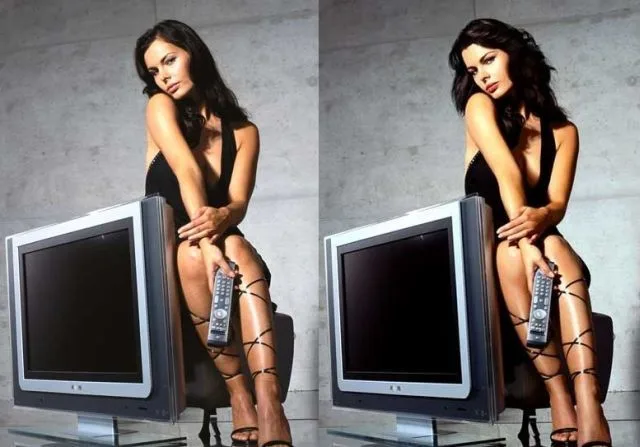
Als Reaktion auf die möglichen negativen Auswirkungen der Fotoretusche auf Verbraucher haben staatliche Stellen und Ärzteverbände erste Schritte zur Sensibilisierung der Öffentlichkeit unternommen. Als die American Medical Association (AMA) Stellung gegen digitale Manipulation in der Werbung bezog und darauf hinwies, dass diese Praxis zu den steigenden Diagnosen von Essstörungen und Depressionen bei Teenagern beiträgt, waren die Reaktionen gemischt. Es gab viele Demonstranten, darunter auch die Unternehmen, die sich über die durch diese Tricks verursachten Verkäufe gefreut hatten.
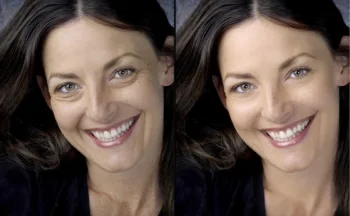
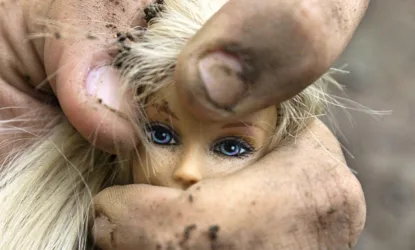
Aber viele andere stimmten der AMA zu, wie zum Beispiel Sheila Pree Bright, deren Fotoserie „Kunststoffkörper“Untersucht, wie sich schönheitsideale auf frauen Auswirken. ihre beeindruckenden bilder kombinieren puppenteile mit segmenten menschlicher körper, und die zwietracht zwischen den beiden ist verblüffend. sie Teilte huffPost In einer e-Mail mit:
„Amerikanische Konzepte des ‚perfekten weiblichen Körpers‘ werden durch Kommerzialisierung klar veranschaulicht, indem sie ‚Image als alles‘ darstellen und Trends einführen, für deren Nachahmung viele Hunderte von Dollar ausgeben.“ Es kommt häufiger denn je vor, dass Frauen ihre Brüste mit Silikon vergrößern, kurze Haare mit Kunsthaarverlängerungen verlängern, natürliche Nägel mit Acryl-Füllungen abdecken oder vielleicht ihre natürlichen Augen durch Kontaktlinsen ersetzen. Sogar auf Zeitschriftencovern arbeiten Grafiker mit Airbrush und manipulieren Fotos in Softwareprogrammen, um das Bild einer schmalen Taille und klaren Haut makellos zu machen. Dadurch wird der weibliche Körper zur Nachbildung einer Puppe und die Essenz natürlicher Schönheit in der amerikanischen Populärkultur wird durch Fantasie ersetzt.“
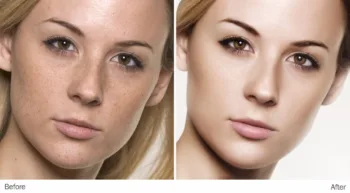
Aber es gibt ein Versprechen: In England ist teilweise extremes Photoshopping von Bildern verboten, insbesondere in Jugendzeitschriften. Und Frankreich schlug vor, Warnhinweise einzufügen, um die Öffentlichkeit darüber zu informieren, dass die Bilder digital manipuliert wurden.
Viele Prominente scheinen der Meinung zu sein, dass unrealistische Bilder einfach selbstverständlich seien. „Ich liebe Photoshop mehr als alles andere auf der Welt. Natürlich ist es Photoshop; Die Leute sehen nicht so aus.“ Jennifer Lawrence erzählte Access Hollywood, als sie gefragt wurde, ob ihre Dior-Anzeige mit Photoshop bearbeitet wurde.
Und obwohl die meisten Prominenten es lieben, ihre bearbeiteten Glamour-Aufnahmen in Anzeigen und Magazin-Covern zu sehen, haben sich einige Auserwählte gegen dieses Phänomen ausgesprochen. Stars wie Brad Pitt, Jessica Simpson und Kate Winslet haben öffentlich erklärt, dass sie ihre Fotos lieber unverändert und unretuschiert hätten. Wenn sie stolz auf ihre körperlichen Unvollkommenheiten sind, warum sollten wir das nicht tun?
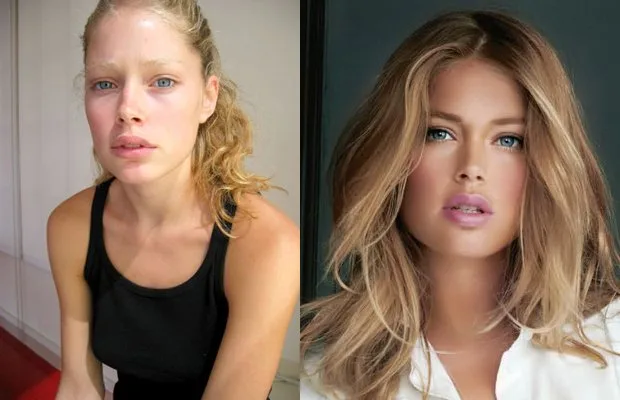
Es ist an der Zeit, dass wir mit all diesen falschen Schönheitsidealen Schluss machen und anfangen, mehr von uns selbst jenseits der Oberfläche zu schätzen. Diese Falten auf unserer Haut zum Beispiel sind das Ergebnis unserer Lebenserfahrungen und machen uns … nun ja, uns. Die Schönheitsindustrie nennt sie Fehler, aber ich betrachte sie lieber als Zeichen meines Charakters, als Beweis meiner eigenen persönlichen Geschichten, wenn man so will. Meine Lachfalten sind durch tausende Momente des Lachens entstanden. Ich habe die Entscheidung getroffen, mich selbst zu lieben, anstatt mich für unwichtige Dinge zu kritisieren. Denn wofür sollte man sich eigentlich schämen?
Verwandte: Retusche: 25 Schockierende VergleicheUnd Wie man dem Druck der Medien, dünn zu sein, entgegenwirkt


I agree with both Dove and Jude….
I am a professional photographer and Photoshop serves the purpose of making the editing process easier, because editing images can be truly time-consuming, and especially the retouching of skin. No one will pick up a magazine or pay attention to any ad with flawed models, products, or food that does not look appetizing. This subject matter is nothing new, plain and simple. For example, would MAC cosmetics put a model whose face is covered with acne and freckles, made up with apple-green makeup from their line on the cover of their catalogue un-retouched? No. The truth is because a person’s eye will focus on the freckles and acne, NOT the makeup. They’d focus on the ‘flaws’ because they are distracting to the eye. Another thing, the celebrities that are stating their complaints are also the ones who have been famous for quite some time now. I imagine it’s a lot easier to do that compared to those who are just starting out. What up-and-comer trying to get their shot at fame is complaining about how they look in an ad or on the cover of some magazine or story when they’re just happy to have a chance at being featured? I agree that this of course has an effect on teen girls (boys too), but Ad companies, photoshop, etc., in the beauty industry is just like everything else. IT IS A CHOICE. How a teenage girl views herself begins AT HOME. As much as we may dislike it, we cannot blame the media for what people choose to do, no matter their age. Sure it may be the reason, source or what have you, but ultimately, the most influence usually starts with the parent or guardian, what’s going on in the home. I see girls all over Instagram with next to nothing on. Filtered or unfiltered, the imagery starves and reeks of someone dying for attention no matter what their initial purpose may be. There are people (namely females) who are very confident and have a healthy sense of self-awareness in spite of all of the magazines, etc. out there, so one can’t completely blame the industry for what young girls do. I get it, I’ve been influenced myself by what I’ve seen in the mags, but grew out of it. I’ll even go as far as to say that at times, I step away from my computer because of all of the images that can effect even the strongest mind. In the end, I love Photoshop and I use it for all kinds of retouching–models included. I want my magazine to have a clean look. I can’t have that with bad acne, yellow teeth, bloodshot eyes, or fly-away hair. Bottom line, once society TRULY accepts people, FLAWS AND ALL, only then will the necessity of programs like Photoshop die out.
Retouching has been practiced since the birth of photography, after all. You could say we don’t need it these days, when technology has advanced so much. But an image of a person will always differ from said person in real life! And we are free to choose how to present our image to the world.
I think the problem is not photoshopping per se but the standards of beauty people aim for.
It’s a creative venture for me – photoshopping ads. Ads need to be attractive. They need to sell. Nobody will pick up a magazine with flawed models. However, it does give the teens and the naive ones a notion of perfection and a decreased self-confidence when not perfect. I guess the warning labels are useful for the younger and naive ones.
Hi Jude – I see your point. The problem is that study after study shows that these images really do affect women’s self-esteem. Women of all ages. There definitely needs to be more education about the subject, but I personally think that images should be photoshopped less as well, and warnings should be on images to explain specifically what was done to them.
I grew up seeing extremely beautiful models on magazines and in commercials on TV. I always wondered how come I am not like them. I felt terrible for some time because I never knew that these models had so much make up on or had been photoshopped. And then I saw candid photos of these celebrities and I’m like, “Seriously?”
Hey, Jude!!! I get what you mean. Have you ever tried photoshopping your own pictures?
I use photoshop a lot. Especially when I’m bored at home. I actually don’t mind looking at photoshopped models as long as I know they’re photoshopped.
Those before and after photos are shocking! I had no idea it was that extreme!
I admit it – I photoshop my own photos. I know I should stop, but it’s hard when I’m being compared (by myself, by friends, by everyone) to my friends and celebs who still use Photoshop on every photo they post. Nobody wants to be the less-perfect duckling! 🙁
Totally agree!!! I photoshop mine too!
I don’t see the big deal. I’m glad photoshop exists. I’m an actress and I definitely want all the filters on cameras I can get. Not because I don’t look great without them, but because I want to look the very very best I can, so I’ll be more popular in the industry, and book more jobs. If the celebs get photoshopped, then we all have to in order to keep up!
Even though I realize all this now, I still can’t make my mind realize that what I’m looking at isn’t real. My mind still compares my real body to their fantasy body. 🙁
I agree that warnings for retouched images wouldn't be a bad idea. Teenagers don't seem to really get that what they're seeing isn't real even though they know it on an intellectual level. I don't think retouching in and of itself is always bad. Photos are a lot like moving film, and for whatever reason, you do look different in those mediums than you do in real life. I know that for me as an actress, having my head shots retouched did present my most polished self, yes, but it also made my shots the best representation of how I'll look when I walk into the audition room (which, of course, is the whole point). I appreciate it when celebrities speak out against these types of measures to create a perfect image. To me, that's not them embracing their imperfections; it's them embracing reality.
Agreed with you, Jen! I don’t think that Photoshop would be the problem. Without Photoshop and editing, what would happen to ads, to marketing? Marketing being ‘an art’ of its own – to get to people, to sell them basically everything, anything. It doesn’t mean that I agree how all of this works, playing with people’s minds – retouched photos or marketing tricks, you name it -, but it is however a big part of our consumer society. And in this society, people just need to be smarter. That said, for starters, warnings for retouched images would be a good idea indeed.
Media treats our bodies as though they are empty shells, but they are inhabited. Every so-called "imperfection" formed through life is proof that we are more than our appearance. Our scars, scratches, freckles, tattoos, etc are the result of us living in our bodies. Instead of trying to hide them, what if we celebrated them as evidence of our stories and our lives?
That would be great! Hopefully magazines (besides just Urbanette) will start writing articles with that angle, instead of the typical ‘how to look {thinner/younger/prettier/sexier}’.
Doesn’t seem very realistic. It’s not like the media is going to change. People want to look pretty, and it sells stuff. Our monkey brain is there to stay, unfortunately!
I'm not against a little retouching or editing. I mean we all use filters on Instamat right?
Don’t you mean Instagram?? And I totally disagree – I think it’s really damaging. The fact that we (mostly) all do it just proves how much it affects us!