
¿No es justo que nos avisen cuando algo es peligroso para nuestra salud? Los cartones de cigarrillos tienen enormes pegatinas de advertencia sanitaria pegadas, e incluso las montañas rusas tienen señales de advertencia antes de subirse a la atracción. Entonces, ¿por qué las revistas no tienen lo mismo? En un sentido psicológico, podemos resultar perjudicados por representaciones falsas de imágenes, intentemos evitarlas o no.
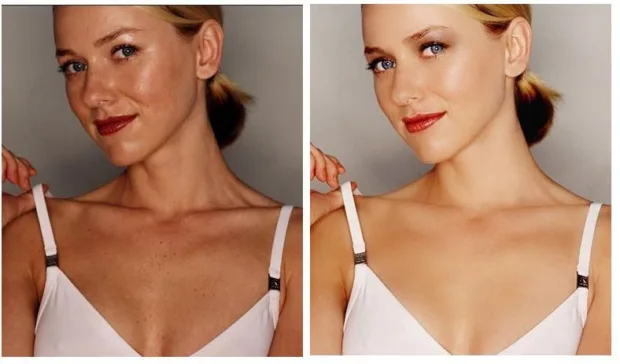
La mayoría de las mujeres ya no ignoran el hecho de que las imágenes que se muestran en revistas y anuncios impresos son manipuladas digitalmente para lucir absolutamente impecables (ver 25 ejemplos aquí), pero todavía no podemos evitar admirar la piel perfecta y las curvas llamativas. Es como si la ficción anulara los hechos debido al cableado de nuestro cerebro.
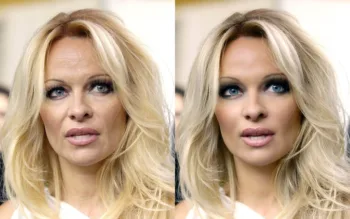
Si la mayoría de las mujeres adultas informadas están influenciadas por estas imágenes poco realistas, imagínense cuánto más impresionables son las jóvenes, la próxima generación de lectoras de revistas. Los adolescentes que siempre buscan la aprobación y aceptación de sus compañeros tienen una mayor tendencia a obsesionarse con la mejora de su apariencia física. ¿Y a dónde acuden? Revistas, por supuesto. La imagen alterada que ven se convierte en un estándar que, siendo realistas, es casi imposible de alcanzar.
Yo mismo he pasado por esa fase. Cada vez que veía la portada de una revista o un anuncio impreso glamoroso de modelo, me habla como si dijera “así es como deberías lucir”. Fue sólo después de varios años de inseguridad que vi la realidad de que nunca lograré esa piel perfecta y sin poros, incluso si uso un frasco entero de la crema anunciada de una sola vez.
Y tan pronto como entendí La idea de que la apariencia de las celebridades y modelos en las revistas, los anuncios y la Televisión es pura fantasía, me di cuenta de que ya no son sólo las celebridades las que son retocadas, sino también mis amigos en Facebook. Ahora que el software de retoque fotográfico es tan fácil y cómodo de usar, y las aplicaciones para teléfonos inteligentes ofrecen suavizar la piel, iluminar los ojos y eliminar imperfecciones, ahora todo el mundo está tratando de mantenerse al día con los estándares de belleza locos y poco realistas que se imponen a las mujeres y las niñas.
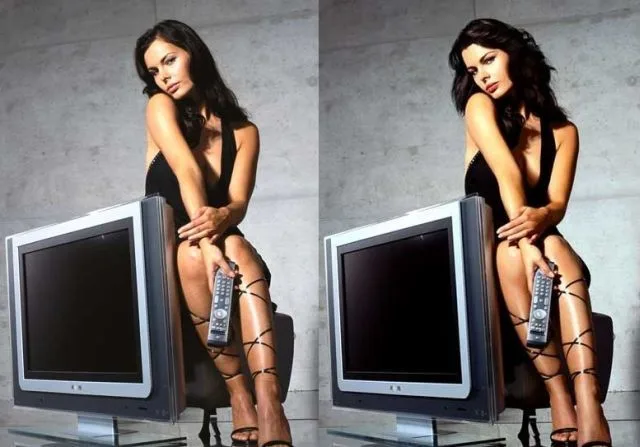
En respuesta a los posibles efectos negativos que el retoque fotográfico puede tener en los consumidores, sectores gubernamentales y asociaciones médicas han dado algunos primeros pasos hacia la concienciación pública. Cuando la Asociación Médica Estadounidense (AMA) se pronunció contra la manipulación digital en la publicidad, señalando que la práctica contribuye al aumento de los diagnósticos de trastornos alimentarios y depresión entre los adolescentes, las reacciones fueron encontradas. Hubo muchos manifestantes, como las empresas que habían estado disfrutando de las ventas resultantes de estos trucos.
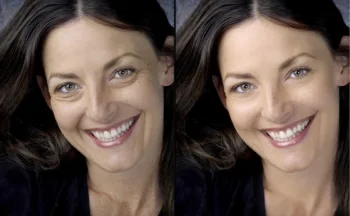
Pero muchos otros estuvieron de acuerdo con la AMA, como Sheila Pree Bright, cuya serie de fotografías “Cuerpos de plástico”Examina cómo los ideales de belleza afectan a las mujeres. Sus impactantes imágenes combinan partes de muñecas con segmentos de cuerpos humanos, y la discordia entre ambos es sorprendente. Ella le dijo al HuffPost en un correo electrónico:
“Los conceptos estadounidenses del 'cuerpo femenino perfecto' se ejemplifican claramente a través del comercialismo, retratando la 'imagen como todo' e introduciendo tendencias que muchos gastan cientos de dólares en imitar. Es más común que nunca que las mujeres agranden los senos con silicona, alarguen el cabello corto con tejidos de cabello sintético, cubran las uñas naturales con rellenos acrílicos o tal vez reemplacen los ojos naturales con lentes de contacto. Incluso en las portadas de revistas, los artistas gráficos retocan y manipulan fotografías en programas de software, haciendo que la imagen de una cintura pequeña y una piel clara sea impecable. Como resultado, el cuerpo femenino se convierte en una réplica de una muñeca y la esencia de la belleza natural en la cultura popular estadounidense es reemplazada por la fantasía”.
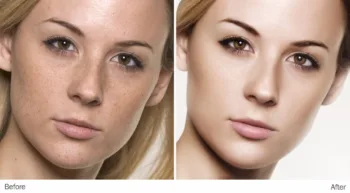
Pero hay algo prometedor: en Inglaterra, se han prohibido algunos retoques extremos de imágenes, especialmente en revistas para adolescentes. Y Francia propuso que se insertaran etiquetas de advertencia para informar al público que las imágenes han sido manipuladas digitalmente.
Muchas celebridades parecen pensar que las imágenes poco realistas son simplemente "normales". “Amo Photoshop más que nada en el mundo. Por supuesto que es Photoshop; la gente no se ve así”. Jennifer Lawrence dijo a Access Hollywood cuando se le preguntó si su anuncio de Dior había sido retocado con Photoshop.
Y aunque a la mayoría de las celebridades les encanta ver sus glamorosas fotos editadas en anuncios y portadas de revistas, unos pocos se han pronunciado en contra del fenómeno. Estrellas como Brad Pitt, Jessica Simpson y Kate Winslet han dicho públicamente que preferirían que sus fotografías no se modificaran ni retocaran. Si ellos se enorgullecen de sus imperfecciones físicas, ¿por qué nosotros no deberíamos hacerlo?
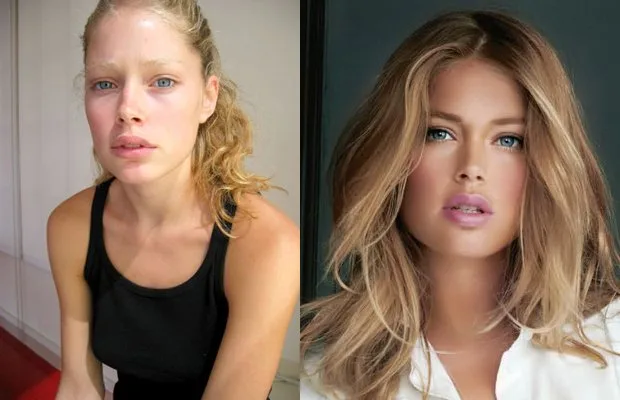
Es hora de que pongamos fin a todos estos falsos estándares de belleza y comencemos a apreciar más quiénes somos más allá de la superficie. Estas líneas en nuestra piel, por ejemplo, son el resultado de nuestras experiencias de vida y nos hacen... bueno, a nosotros. La industria de la belleza los llama defectos, pero yo elijo verlos como marcas de carácter, evidencia de mis propias historias personales, por así decirlo. Las líneas de mi sonrisa fueron provocadas por miles de momentos de risa. Tomé la decisión de amarme a mí mismo en lugar de criticarme por cosas que no importan. Después de todo, ¿de qué hay realmente que avergonzarse?
Relacionado: Retoque: 25 Comparaciones ImpactantesY Cómo vencer la presión de los medios para ser delgado



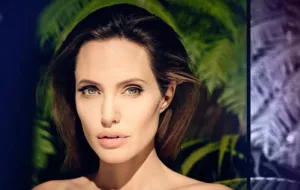
I agree with both Dove and Jude….
I am a professional photographer and Photoshop serves the purpose of making the editing process easier, because editing images can be truly time-consuming, and especially the retouching of skin. No one will pick up a magazine or pay attention to any ad with flawed models, products, or food that does not look appetizing. This subject matter is nothing new, plain and simple. For example, would MAC cosmetics put a model whose face is covered with acne and freckles, made up with apple-green makeup from their line on the cover of their catalogue un-retouched? No. The truth is because a person’s eye will focus on the freckles and acne, NOT the makeup. They’d focus on the ‘flaws’ because they are distracting to the eye. Another thing, the celebrities that are stating their complaints are also the ones who have been famous for quite some time now. I imagine it’s a lot easier to do that compared to those who are just starting out. What up-and-comer trying to get their shot at fame is complaining about how they look in an ad or on the cover of some magazine or story when they’re just happy to have a chance at being featured? I agree that this of course has an effect on teen girls (boys too), but Ad companies, photoshop, etc., in the beauty industry is just like everything else. IT IS A CHOICE. How a teenage girl views herself begins AT HOME. As much as we may dislike it, we cannot blame the media for what people choose to do, no matter their age. Sure it may be the reason, source or what have you, but ultimately, the most influence usually starts with the parent or guardian, what’s going on in the home. I see girls all over Instagram with next to nothing on. Filtered or unfiltered, the imagery starves and reeks of someone dying for attention no matter what their initial purpose may be. There are people (namely females) who are very confident and have a healthy sense of self-awareness in spite of all of the magazines, etc. out there, so one can’t completely blame the industry for what young girls do. I get it, I’ve been influenced myself by what I’ve seen in the mags, but grew out of it. I’ll even go as far as to say that at times, I step away from my computer because of all of the images that can effect even the strongest mind. In the end, I love Photoshop and I use it for all kinds of retouching–models included. I want my magazine to have a clean look. I can’t have that with bad acne, yellow teeth, bloodshot eyes, or fly-away hair. Bottom line, once society TRULY accepts people, FLAWS AND ALL, only then will the necessity of programs like Photoshop die out.
Retouching has been practiced since the birth of photography, after all. You could say we don’t need it these days, when technology has advanced so much. But an image of a person will always differ from said person in real life! And we are free to choose how to present our image to the world.
I think the problem is not photoshopping per se but the standards of beauty people aim for.
It’s a creative venture for me – photoshopping ads. Ads need to be attractive. They need to sell. Nobody will pick up a magazine with flawed models. However, it does give the teens and the naive ones a notion of perfection and a decreased self-confidence when not perfect. I guess the warning labels are useful for the younger and naive ones.
Hi Jude – I see your point. The problem is that study after study shows that these images really do affect women’s self-esteem. Women of all ages. There definitely needs to be more education about the subject, but I personally think that images should be photoshopped less as well, and warnings should be on images to explain specifically what was done to them.
I grew up seeing extremely beautiful models on magazines and in commercials on TV. I always wondered how come I am not like them. I felt terrible for some time because I never knew that these models had so much make up on or had been photoshopped. And then I saw candid photos of these celebrities and I’m like, “Seriously?”
Hey, Jude!!! I get what you mean. Have you ever tried photoshopping your own pictures?
I use photoshop a lot. Especially when I’m bored at home. I actually don’t mind looking at photoshopped models as long as I know they’re photoshopped.
Those before and after photos are shocking! I had no idea it was that extreme!
I admit it – I photoshop my own photos. I know I should stop, but it’s hard when I’m being compared (by myself, by friends, by everyone) to my friends and celebs who still use Photoshop on every photo they post. Nobody wants to be the less-perfect duckling! 🙁
Totally agree!!! I photoshop mine too!
I don’t see the big deal. I’m glad photoshop exists. I’m an actress and I definitely want all the filters on cameras I can get. Not because I don’t look great without them, but because I want to look the very very best I can, so I’ll be more popular in the industry, and book more jobs. If the celebs get photoshopped, then we all have to in order to keep up!
Even though I realize all this now, I still can’t make my mind realize that what I’m looking at isn’t real. My mind still compares my real body to their fantasy body. 🙁
I agree that warnings for retouched images wouldn't be a bad idea. Teenagers don't seem to really get that what they're seeing isn't real even though they know it on an intellectual level. I don't think retouching in and of itself is always bad. Photos are a lot like moving film, and for whatever reason, you do look different in those mediums than you do in real life. I know that for me as an actress, having my head shots retouched did present my most polished self, yes, but it also made my shots the best representation of how I'll look when I walk into the audition room (which, of course, is the whole point). I appreciate it when celebrities speak out against these types of measures to create a perfect image. To me, that's not them embracing their imperfections; it's them embracing reality.
Agreed with you, Jen! I don’t think that Photoshop would be the problem. Without Photoshop and editing, what would happen to ads, to marketing? Marketing being ‘an art’ of its own – to get to people, to sell them basically everything, anything. It doesn’t mean that I agree how all of this works, playing with people’s minds – retouched photos or marketing tricks, you name it -, but it is however a big part of our consumer society. And in this society, people just need to be smarter. That said, for starters, warnings for retouched images would be a good idea indeed.
Media treats our bodies as though they are empty shells, but they are inhabited. Every so-called "imperfection" formed through life is proof that we are more than our appearance. Our scars, scratches, freckles, tattoos, etc are the result of us living in our bodies. Instead of trying to hide them, what if we celebrated them as evidence of our stories and our lives?
That would be great! Hopefully magazines (besides just Urbanette) will start writing articles with that angle, instead of the typical ‘how to look {thinner/younger/prettier/sexier}’.
Doesn’t seem very realistic. It’s not like the media is going to change. People want to look pretty, and it sells stuff. Our monkey brain is there to stay, unfortunately!
I'm not against a little retouching or editing. I mean we all use filters on Instamat right?
Don’t you mean Instagram?? And I totally disagree – I think it’s really damaging. The fact that we (mostly) all do it just proves how much it affects us!