
In case you hadn’t heard, there’s a new breed of travelers. They’re known as the “anti-tourist”. Instead of going to beautiful places promoted for tourism, these free-spirits love to visit areas that are not only discouraged by travel advisories, but are also deemed “forbidden”. The more the media makes a fuss about the place, the more the trip becomes exciting. With no police assistance or ambulance to a local hospital, they want to encounter danger, up close and personal.

The anti-tourists find thrill primarily from the difficult and dangerous experience, rather than from being in the new environment.
Remember that invincible feeling you had when you were a teenager? When you were excited to see the gritty and more dangerous places of the world? Well, for some people that feeling doesn’t dissipate, but grows stronger over time.
A travel psychology expert named Michael Brein identifies this behavior as “macho tourism”. When danger is being reported in a particular part of the world, the anti-tourists then desire to visit that place in order to A) prove that they’re tougher than the rest of us, and/or B) get an adrenaline rush and feel more alive. Remember the time of your childhood when your mother told you not to go to a seemingly creepy place, but you went anyway? And then you came home safe and said “Look Mom, I made it”? The anti-tourists are said to be relieving that early feeling of triumph.
No big surprise, but Instagram and Facebook may have contributed to this anti-tourism behavior. When people are able to travel to the baddest badlands around the world without being harmed, they are most likely to brag about it on their social networking sites, which encourages their ‘friends’ and followers to attempt similar feats for bragging rights.
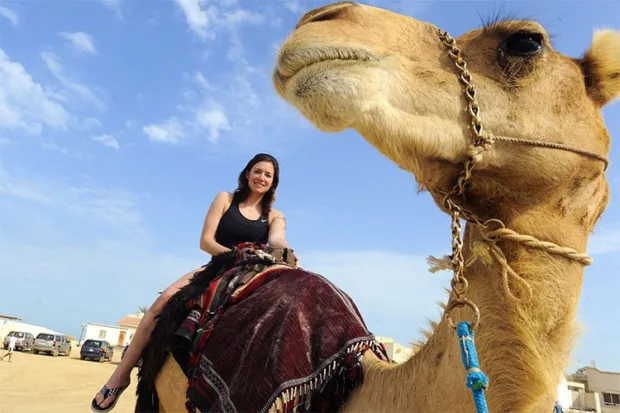
When visiting the forbidden, the anti-tourists risk being kidnapped for ransom or held captive by terrorists; they often get caught in wars and strife arising in unstable territories, get lost and killed in deadly terrains, encounter wild and deadly animals, get robbed and or murdered by opportunistic local serial thieves and killers, or become infected with exotic diseases. Sounds fun, right? (jk!) But for as long as the craving for excitement exists, the anti-tourists will continue to ignore cautionary travel alerts, and will take critical travel advisories as a “go” signal.
There are also anti-tourists who risk their lives for a “personal mission”. Maria Rychlicki, a municipal government worker in Los Angeles, spent time in Lebanon, Egypt, Israel and Columbia when these countries were on State Department alert lists. She knows she has been picking trips that are on advisory lists, but she sees this as an opportunity to represent America.
“Visiting countries on the advisory list means I am not spending money to meet other American tourists. I have often felt I am a good ambassador of the American people. I have been, at times, the first American that people (in a foreign land) have met,” she claims.
We’re not encouraging people to travel to the “forbidden” and risk being kidnapped or killed, but if you are one of the few travelers who love to go to places that other people are afraid of, then these dangerous areas are ideal for you. Enter at your own risk.
Le Badlands più cattive del mondo: le 10 migliori
1. Mogadiscio, Somalia
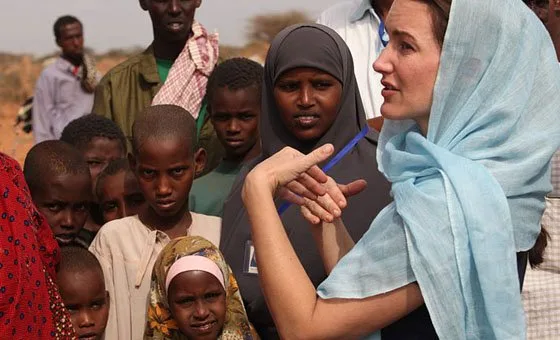
Considera una vacanza a Mogadiscio se ti piace essere unico. Nel 2004, il ministro del turismo della Somalia ha affermato che il paese non aveva un turista ufficialmente riconosciuto da 14 anni. Dall’inizio della guerra civile somala nel 1991, Mogadiscio è stata tormentata da attacchi terroristici e guerre transfrontaliere. La criminalità di strada non è rara e non c'è un'ambasciata americana in città. Ad agosto 2011 sono stati compiuti molti sforzi di ricostruzione.
2. Pyongyang, Corea del Nord
La Corea del Nord potrebbe essere il posto adatto a te se non ti piace pianificare le cose da solo. Tutti i tour sono controllati e scortati dal governo, che è ampiamente noto anche per le esecuzioni pubbliche e per la detenzione di intere famiglie nei campi di prigionia politica. L'Economist Intelligence Unit ha elencato la Corea del Nord come il paese più autoritario nel suo indice nel 2006. Se l'infinita Guerra Fredda con la Corea del Sud, che il dittatore Kim Jong-un ama minacciare, diventerà bollente a breve non è sufficiente per allontanarti, ecco è inoltre vietato l'uso dei cellulari e l'accesso a Internet.
3. Sana'a, Yemen
Dall’insediamento di un nuovo governo nel 2012, le cose sono migliorate per lo Yemen. Tuttavia, l’opposizione a quel governo, unita alla povertà e alla scarsa sicurezza, lo rendono un paese estremamente pericoloso. Solo nel 2013 ci sono stati almeno 14 attacchi in tutto il paese da parte di Al-Qai'da, secondo l'Ufficio americano per la sicurezza diplomatica. I disordini politici e civili continuano a crescere in tutto il Paese.
4. Bogotà, Colombia
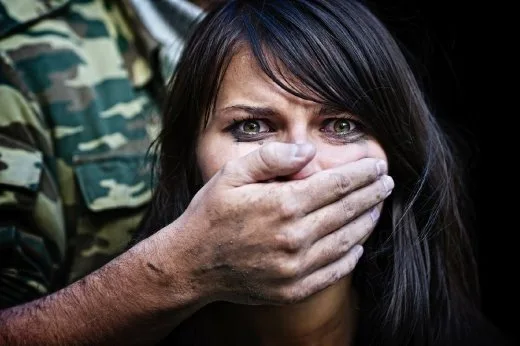
La violenza in corso tra i quattro principali cartelli della droga colombiani e diversi “BACRIMS” più piccoli rendono Bogotà un luogo rischioso da visitare. Poi ci sono i gruppi di guerriglia e le forze paramilitari che bisogna evitare. Sebbene Bogotà abbia sostanzialmente ridotto il tasso di omicidi dalla metà degli anni '90, i crimini legati alla droga, i rapimenti, le rapine e i borseggi sono ancora comuni. Nel febbraio 2014 la rivista colombiana Semana ha suscitato nuove polemiche dopo aver pubblicato i dettagli di una massiccia rete di corruzione all'interno dell'esercito colombiano.
5. Caracas, Venezuela
Con circa un omicidio ogni 21 minuti, il Venezuela è oggi uno dei paesi più pericolosi al mondo. La sua capitale, Caracas, registra un tasso di omicidi di 100 ogni 100.000 residenti. Oltre agli omicidi, la città è famosa anche per i borseggi, le rapine e i rapimenti, tutti risultati della povertà che affligge il paese. L'omicidio di alto profilo della celebrità venezuelana Monica Spear, così come del suo ex marito, di fronte alla loro giovane figlia, ha rinnovato l'attenzione sulla questione.
6. Grozny, Cecenia, Russia
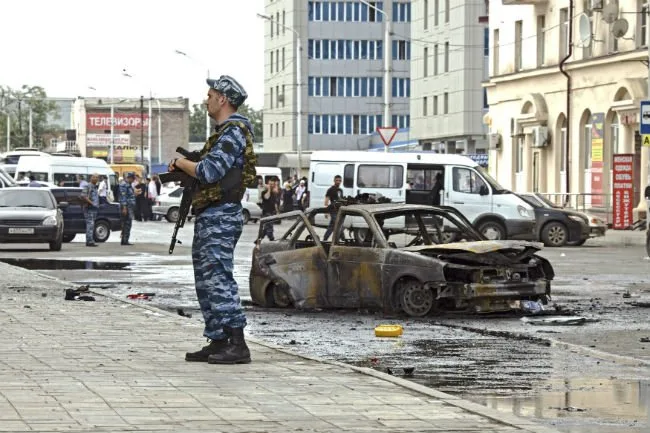
L’ONU ha etichettato Grozny come “la città più distrutta della Terra”. Le due guerre cecene, che sommate a circa dodici anni di violenza senza sosta, hanno lasciato la città senza altro che macerie. Coloro che hanno la sfortuna di essere detenuti in Cecenia “affrontano un rischio reale e immediato di tortura”, secondo Holly Carter, direttrice della divisione Europa e Asia centrale di Human Rights Watch. Recentemente c'è stato un crescente interesse per Grozny come destinazione del turismo estremo.
7. Port Moresby, Papua Nuova Guinea
È interessante notare che, in mezzo a tutto questo crimine perpetrato dall’uomo, la Papua Nuova Guinea è il luogo di una grande quantità di attività sismica. Ciò crea una minaccia costante di tsunami, terremoti e frane. Ma non dimentichiamoci di quegli episodi di stupro, rapina e furto d'auto. La metà della violenza sessuale nel Paese è commessa contro i bambini e sia l’omosessualità che l’adulterio sono illegali. Secondo l’Intelligence Unit dell’Economist, le bande criminali chiamate “raskols” fanno di Port Moresby una delle città più invivibili della Terra.
8. Port-au-Prince, Haiti
L'importanza mediatica di Port-au-Prince è svanita da quando il terremoto del 2010 è diventata una notizia vecchia, ma la città continua a essere un punto caldo di rapimenti, omicidi, sparatorie legate alla droga, furti d'auto, rapine a mano armata e irruzioni nelle case. Un tempo tappa popolare per le crociere, la città ha visto un calo del turismo che non fa altro che aggravare i suoi problemi di disoccupazione e sottoccupazione.
9. Ciudad Juarez, Messico
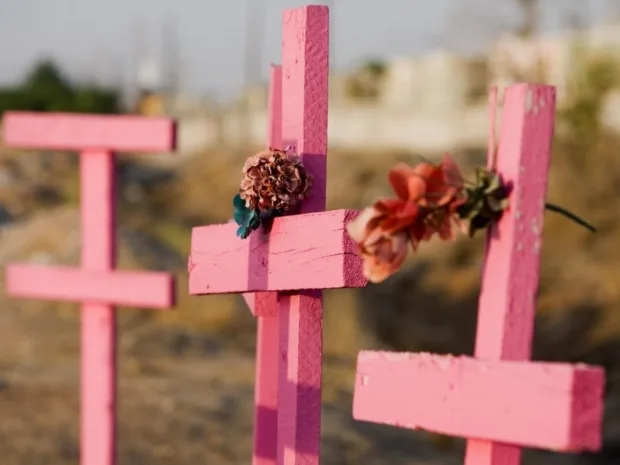
Questa città è nota come “la zona più violenta del mondo al di fuori delle zone di guerra dichiarate”.Relativo alla droga crimini, rapimenti, omicidi sessuali; lo chiami, Ciudad Juarez ce l'ha. Tuttavia, è una delle città in più rapida crescita al mondo. Probabilmente è l'unico posto in questa lista dove puoi, infatti, acquistare un Big Mac. Tuttavia, coloro che possono permettersi di lasciare la città lo fanno ancora in massa, poiché è uno dei campi di battaglia più importanti per la continua guerra alla droga messicana.
10. Baghdad, Iraq
L’Iraq continua ad essere considerato un luogo “critico” per la minaccia del terrorismo da parte dell’Ufficio di sicurezza diplomatica degli Stati Uniti, il quale ha riferito che, sebbene il numero di attacchi terroristici sia diminuito, la mortalità di tali attacchi è aumentata a causa dello spostamento degli obiettivi verso il pubblico. aree quali strutture religiose e mercati. Sono in corso tentativi di riportare Baghdad al suo antico splendore come centro culturale, in particolare riqualificando piazza Tahrir.





As much as I love thrill and adventure, this isn’t my cup of tea. Ending up kidnapped by terrorists and stuff isn’t on my bucketlist!
No sane person wakes up in the morning and says ”you know what, I want to go to forbidden tourist place” Nothing about it is a tourist attraction, just night nightmare.
Are you serious? They sometimes infect tourists with diseases? Why would I want to go here??
Manila! Sure it has great historical sceneries, Great food, and really cool and jolly people.But you cant erase the fact that crime is still rampant in that city in the Phillippines. And did I mention they have a president that is like Donald Trump/Kim Jong-un?
“There is a charm about the forbidden that makes it unspeakably desirable.” – Mark Twain
I believe the “anti-tourists” find something special and exciting with the fact that they are traveling to “not-so-safe” areas. After successful trip to these areas, they can even say with pride, “oh! that is not a dangerous place.”
I love going out of the country and exploring new places, new food, new dress, new events and other “new things.” But my very reason for going out of my country is “relaxation.” I want to get away with my routine.
When I travel, I make sure to check first via travel authorities if it’s safe to go to a particular place.
But how would I feel relaxed if danger is at hand?! This article is really helpful and I’m adding these places to my list of places to “watch out for.” Definitely, there will be changes, who knows, after 10 years, these places can be safe places to visit and I can have them listed in my “places to see and explore.”
But for now, thank you Urbanette for this warning 🙂
I love traveling but I'm completely against going anywhere dangerous. I'm afraid of certain places in America I wouldn't travel out and make the risk higher lol. I was reading an article o Grozny and it said the city has been fully rebuilt and I saw some pictures, it looks really beautiful especially their mosque. But It's still a no-no on my list.
This article is very eye-opening. It's definitely a reality check. I like to go off the beaten path, but I don't think I'll be visiting any of these destinations any time soon.
The risk adds to the thrill of the travel experience in the same way we classify extreme sports, I guess. It’s not for the faint-hearted but it must have a higher purpose than just doing it for the heck of it.
Love this article! I honestly have the tendency to “ignore” travel advisories and travel to anywhere I wanna go. I just feel it adds more to the excitement of going to another country!