
The skincare industry is full of chemical-slinging salesmen trying to pawn off pretty jars full of toxic chemicals as the next beauty miracle. They see women as suckers who they can convince to buy anything so long as they put their cheap chemical fillers in attractive bottles and get teenage supermodels to advertise them. Their ads build up and then prey upon insecurities in women — and it works.

The promise of beautiful, glowing and ageless skin is so intoxicating that a lot of women worldwide are willing to put rational thought aside in the vain hope that they may look a bit more like that teenage supermodel, and therefore have more value as a woman. After all, the message being sent is simple: a woman’s sexual value is her only intrinsic value (yet another reason why we need feminism!)

Here’s where the buck stops: Chemicals can’t permanently reverse aging. The best they can do is irritate the deeper layers of your skin so you get a temporary smoothing effect. As you may guess, this is temporary and not at all good for your skin in the long run. The only thing that can actually affect skin cells in an anti-aging way is plants and a healthy lifestyle. The true anti-agers don’t come in fancy $50 jars. They are: organic essential oils, a plant-based and low-glycemic diet, avoiding the sun, and regular exercise.
Research has shown that while none of the popular drugstore or department-store skincare products are able to deliver on any of their anti-aging promises, what’s certain is that they can be very harmful in the long run. Sure, short-term ill effects might include rashes and allergies, which you can immediately address. However, there are certain ingredients and contaminants in skincare products that manufacturers fail to tell us about — and most of them cause us to exhibit ill effects that don’t manifest until after years or decades of use, or when there’s no turning back.
In fact, there are thousands of chemicals in your products, most of which are being absorbed into your body. These companies have cart blanche to use any ingredient or raw material without government review or approval. That’s why it’s so important to always check your products in the Cosmetics Database and the GoodGuide, both of which rate beauty and consumer products based on toxicity.
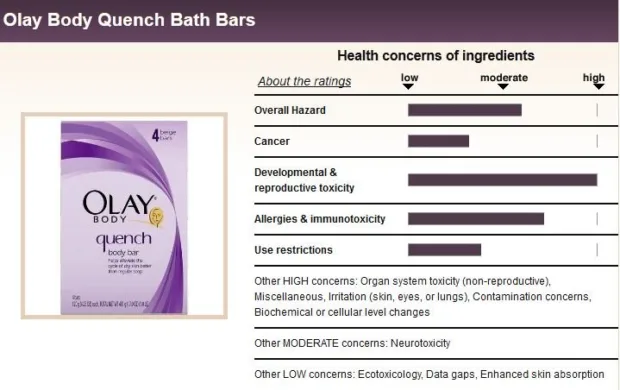
Questo settore è altamente non regolamentato. Non esiste alcuna approvazione pre-prodotto prima che un prodotto raggiunga il mercato ed entri nella tua casa. Fin dalla sua nascita nel 1930, la FDA ha vietato solo 11 ingredienti cosmetici. Nello stesso arco di tempo, invece, l’Unione Europea ha messo al bando 1378 ingredienti cosmetici. Molte delle sostanze chimiche sintetiche presenti nei vostri prodotti sono irritanti per la pelle, penetranti nella pelle, interferenti endocrini e cancerogene.

Ecco un breve video illuminante (e molto degno di condivisione) su come funziona l'industria della cura della pelle:

Ecco alcuni dei tipi di ingredienti più comuni e dannosi a cui dovresti prestare attenzione la prossima volta che prendi un prodotto per la cura della pelle dagli scaffali. Questo non è affatto un elenco completo, poiché l'80% Degli ingredienti nei prodotti di consumo (cosmetici, cura della pelle, pulizia) rimangono non testati e l'elenco completo degli ingredienti tossici comprovati presenti nei vostri prodotti (sì, il vostro!) è molto, tanto più a lungo.Fai attenzione a questi ingredienti con ogni prodotto per la cura della pelle che consideri e, ricorda, non lasciarti ingannare dai prezzi elevati. Prezzi più alti di solito non significano una qualità migliore, ma solo più marketing.
Interferenti Ormonali
Il dibutil ftalato, chiamato anche DBP o butil estere, è un molto ingrediente comune nei prodotti per la cura della pelle la cui funzione è aiutare la pelle ad assorbire meglio i prodotti e ottenere i risultati desiderati più velocemente. Ciò che è allarmante, tuttavia, è che il DBP è stato classificato dalla Environmental Protection Agency degli Stati Uniti come probabile cancerogeno per l’uomo, il che significa che può causare il cancro. È stato anche dimostrato che riduce il numero di spermatozoi negli uomini e causa problemi ai testicoli e al pene più piccoli nei maschi non ancora nati. I problemi di salute derivanti dai prodotti contenenti DBP sono stati sollevati anni fa, ma la maggior parte dei prodotti per la cura della pelle nei grandi magazzini contengono ancora questo ingrediente, non elencato sull'etichetta. È illegale praticamente in tutti i paesi moderni tranne gli Stati Uniti.
Agenti Schiumogeni
Lavarsi il viso con quello che potrebbe essere uno sgrassatore industriale potrebbe causare più danni che benefici, quindi è meglio leggere le clausole scritte in piccolo e le etichette prima di vendere un prodotto. Il sodio lauril solfato è l'ingrediente principale nella maggior parte dei detergenti per il viso, poiché il suo effetto è quello di rimuovere lo strato di olio dalla pelle per farla sembrare "fresca e pulita". Ciò che molti non sanno, tuttavia, è che il sodio lauril solfato è anche l'ingrediente principale dei detergenti per pavimenti dei garage e di altri agenti sgrassanti. Certo, può eliminare quello strato di olio, ma lascia la pelle vulnerabile, butterata e ruvida. Tieni presente che la pelle ha bisogno di uno strato considerevole di olio per rimanere nutrita e sana.

La cocaammide, chiamata anche dietilalomina, è ciò che fa bollire le creme idratanti e gli shampoo. Anche se le bolle sembrano piacevoli, gli studi hanno dimostrato che la DEA blocca l'assorbimento naturale della colina da parte del corpo, che è necessario per il corretto sviluppo e funzionamento del cervello. Può anche portare a sfoghi cutanei, eruzioni cutanee e allergie a breve termine. A lungo termine, le conseguenze potrebbero essere molto più gravi.
Profumi Sintetici
A volte sono le cose brutte ad essere nascoste in confezioni profumate. Solo perché il detergente o la lozione per il viso ha un profumo meraviglioso, non significa sempre che il tuo corpo ne sia felice. I profumi sintetici o chimici sono ricchi di aldeidi (inquinanti atmosferici) e derivati del benzene, che possono causare vertigini, mal di testa e altre reazioni tossiche simili. I produttori di prodotti per la cura della pelle spesso scelgono i profumi sintetici perché il costo di produzione delle fragranze a base naturale è elevato, consentendo loro di vendere i loro prodotti a buon mercato.
Inoltre, la parola “Fragranza” sull'etichetta degli Ingredienti è considerata un “segreto commerciale” e quindi Le aziende non sono obbligate a rivelare il contenuto di questa miscela. molte aziende Nascondono gli ingredienti più dannosi sotto il mantello della “fragranza”.
Conservanti
Your mainstream skincare products almost certainly contain parabens and other nasty preservatives. Parabens possess estrogen-mimicking properties that are associated with increased risk of breast cancer. These chemicals are absorbed through the skin and have been identified in biopsy samples from breast tumors.
In Europa è vietato includere molti altri conservanti chimici, come il metilisotiazolinone, nei prodotti senza risciacquo, come la crema che tieni sul viso tutto il giorno, ma sono ancora ammessi nei prodotti venduti negli Stati Uniti. Un altro campanello d'allarme per questa sostanza chimica sgradevole è che, nei test di laboratorio, le cellule cerebrali sono risultate alterate dopo un'applicazione regolare, il che significa che questo ingrediente è probabilmente una neurotossina!
Prodotti Petrolchimici E Altri Prodotti Chimici Nocivi/tossici
I tradizionali prodotti per la cura della pelle contengono molti ingredienti a base di petrolio... e per qualche motivo tutti pensavamo che andasse bene. Tuttavia, la ricerca ha dimostrato che l’uso di prodotti che contengono prodotti petrolchimici può causare a lungo termine problemi ai reni, danni ai nervi e al cervello e cancro. Dicono che la bellezza è dolore, ma probabilmente non intendevano questo!
Al giorno d'oggi ci sono così tante sostanze chimiche tossiche nella cura della pelle e nei cosmetici che ci vorrebbe davvero un corso universitario per aggiornarsi.
La Soluzione
Non faccio mai acquisti in farmacie o grandi magazzini, solo in negozi di alimenti naturali focalizzati sul biologico. Utilizzo i prodotti biologici più semplici che posso (ecco la mia bacheca Pinterest con marchi di bellezza naturale), e Produco personalmente molte creme e oli per la cura della pelle. mi Strucco con olio di cocco biologico Al 100% e preparo il Mio olio o burro di karitè + creme Per viso e corpo con oli essenziali (è facile!). Uso l'aceto di sidro di lamponi (è come l'aceto di mele, ma ha un profumo migliore) come tonico e probiotico per la pelle. Io uso saponi naturali comeLa saponetta del dottor Bronner per le mie mani e il mio corpo. Mi attengo ai prodotti biologici con il minor numero di ingredienti possibile – e solo gli ingredienti che capisco.
Ti chiedi se dovresti gettare i prodotti nel tuo armadietto? Controlla gli ingredienti nel Cosmetics Database (aka. Skin Deep / EWG) e il GoodGuide, che valutano entrambi la bellezza e i prodotti di consumo in base alla tossicità. Skin Deep e GoodGuide dispongono entrambi di app che puoi scaricare sul tuo telefono, per scansionare un codice a barre per un controllo rapido in negozio. GoodGuide dispone anche di Internet barra degli strumenti del browser che scorre verso l'alto dalla parte inferiore della finestra, per avvisarti in modo discreto quando stai acquistando un prodotto potenzialmente tossico/nocivo (in base a criteri selezionati che ti interessano) e suggerisce opzioni simili che potrebbero piacerti e che si adattano meglio ai tuoi criteri.
La parte migliore? La luminosità naturale che deriva da una combinazione di prodotti naturali unita alla serenità di sapere che non stai avvelenando il tuo corpo.
Ammettiamolo, tutti invecchiamo e, francamente, il vero segreto della bellezza dentro e fuori è la felicità, la contentezza e un atteggiamento positivo. Sembra banale, ma è un sorriso genuino, insieme a un corpo sano e una prospettiva che ci garantiranno di vivere oltre le statistiche sull'aspettativa di vita, invecchiando con grazia.
Ulteriori informazioni sulle tossine presenti nei prodotti che utilizzi:






My mom uses to tell me to use cleaning and moisturizing products rather than using soaps. It helps protect skin and keep it healthy as she always says. As I myself observe as well soaps can result to drying and older skin.
For me, the secret to staying young is to eat a healthy and balanced diet. Nothing beats eating vegetables and fruits and frequent intake of water as an age-defying product/source.
Very informative article with a good illustrative video!!
It’s unfortunate, but most of the time we are blinded by false advertisements 🙁
Advertisement can really be appealing to anyone. We need to be smarter whenever we are buying products. Whenever I want to buy something, I make sure to watch video review first before buying. I avoid watching the product own commercials as it will only show me the good side of the product and not the side effects.
A lot of people nowadays are into this, buying products but they really don’t think very hard about the side effects. Is it good for me or not? Is it only good for the moment or maybe harmful in the long run? hmmmm.. Let us think it twice before we order a million products.
Admittedly, each time I buy beauty products, I don’t care or I don’t even look at the ingredients. My concern is just, “how it can make me look better?” But this article is an eye opener for me. I should be more concerned with what it contains.
Uh oh! I really don’t know how to react but I really find this article very informative! Now, I would be more cautious in buying various “beauty stuff.”
Thank you for the tips and things to watch out for!
This is really important information everyone should know more about. It's not often that I remember to stop and check the label, I would never have assumed such dangerous products are legal!!
This is a really informative article. I’m often fooled by TV ads and to be honest, I wasn’t aware of these ‘harsh’ ingredients. Too bad for me 🙁 I’ll be more careful this time…
Yes, dear, you shouldn’t let yourself be fooled by false advertisement ever again. For me, I always remind myself that 76% what they are saying in their ads, in general, were either “very exaggerated” or “somewhat exaggerated”. Just to make it catchy or just to sell whatever they are selling. I have enough of this ads. :<
Yes, dear, you shouldn’t let yourself be fooled by false advertisement ever again. For me, I always remind myself that 76% what they are saying in their ads, in general, were either “very exaggerated” or “somewhat exaggerated”. Just to make it catchy or just to sell whatever they are selling. I have enough of this ads.
Some are just really fooled by the TV ads that they don’t take the time to check the ingredients posted at the back of the product. Thanks for this article, it’ll help a lot of girls!
My grandma always told me that wearing make-up at a young age will make you look older at a young age also. I didn’t listen to her of course. now Im 24 and seeing the first few wrinkles on my face.
Mothers are always right so as our grandmothers. I’m also hard headed and don’t care about what elders are telling. me. I should have known better. Now I always look stress and have bulgy eyebags.