
I like to think I’m an eco-conscious kind of woman. I recycle, I buy “used” clothing, I turn off lights to conserve energy and keep my showers under ten minutes. I even carry around a water bottle that I refill at the local gyms and parks. Some of this eco-conscious behavior is just me loving a good deal, but there’s another part of myself that genuinely cares about the fate of this little planet we all share.

As someone who gets around a lot, I’m ashamed to say that I only sometimes wonder about the impact my travel behavior might be having on the planet. And unfortunately, I never used to think about it. Like most travelers, I’m just so happy to get the hell out of the office that all I usually focus on is where I want to go, how quickly I can get there, and how long it’ll take me to find the nearest bar.
And I’m not the only one. Every day, millions of naïve travelers just like me board planes, trains and boats, heading for strange and distant destinations. What we don’t realize is how our exotic excursions may be contributing to not-so-excellent things like habitat destruction, animal suffering and resource depletion. When all we’re thinking about is getting away, it’s easy to forget what goes into making these workplace escapes possible (and, more importantly, what comes out of it).

Enter “ecotourism,” defined by the International Tourism Society as “responsible travel to natural areas that conserves the environment and sustains the well-being of local people.” Don’t worry, I’m not entirely clear on the definition myself. But from what I gather, things like building roads and erecting hotels in national parks – in short, things that accommodate my desire to see the world – are also destroying it. So much for “worry-free” travel.

As with any issue, there are two sides to the story. Many communities thrive purely on tourism. Were the flow of visitors to stop, entire economies might crumble. So, what’s the right move? Do we bank on saving some sacred trees, or do we fund a functioning society so it can feed and clothe its citizens? What is the “right” and “responsible” thing for us travelers to do?
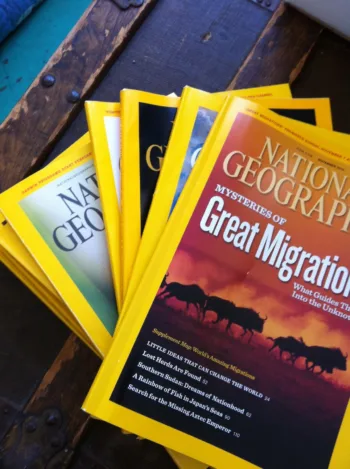
Really, it depends on who you ask and what you’re willing to live with. We can’t just stop going places and start stocking up on back issues of National Geographic. That sounds about as thrilling as a four hour documentary on the history of bingo. What we can do for now, though, is compromise – at least on a few small things.
You don’t have to run around hugging trees to be an ecotourist. Here are a few simple tips for well-intentioned globetrotters:
Rent a Mini
…Or –even better– just take public transportation. Why pay big bucks to fill up a gas-guzzler when a cozy little car will get you where you’re going just as well? Unless you’re planning to go off-roading, or going to a country with poor roads, an SUV is neither necessary nor eco-friendly. And there are many destinations that don’t require a vehicle at all. Get your thrills on a bike, explore the city’s subway, or experience your location on foot. Sure, it may take you seven times as long to get there, but isn’t it the journey that counts?
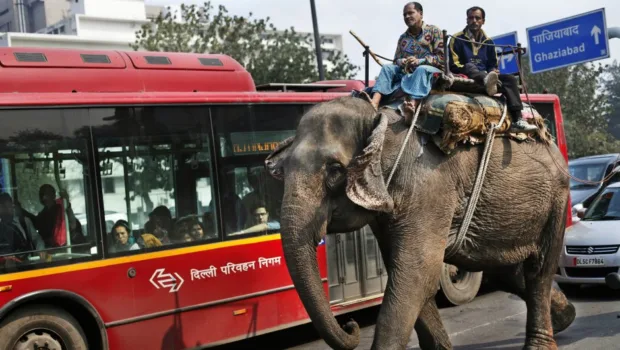
Don’t Pay to Use Animals
Animals are often captured and kept in captivity, fed junk food and used to entertain tourists or for transportation. In the process, many are killed or tortured, some species get closer to extinction, habitats and mating rituals are disrupted, babies are killed and families are separated. More importantly, it’s a horrible and unnatural life for the animal, and by paying those who keep them in captivity, you’re encouraging other locals to quit their job, capture animals, and do the same.
So, the next time you or your tour guide is tempted to pull a turtle out of the water (which can break their fin, causing them to drown), or feed a monkey (which limits their diet and teaches them to beg instead of forage for food), or buy art painted by an elephant (which is kept captive and forced to learn to paint while being jabbed with burning-hot rods), speak up and protest. Talk to the local tourism board and tell them that seeing this ruined your trip. The more tourists voice their disapproval, the sooner these practices will stop.

Sleep Green
Look for lodges and hotels accredited with the Green Seal Certification for environmentally responsible practices. It’s not such a horrifying idea to use your hotel towel twice, instead of consigning it to an extra energy-depleting wash cycle. In case you’re curious, there are a ton of resources, such as Green Key Global, that can help you find hotels, motels, and resorts committed to improving their eco-friendly performance.
Tour with the Locals
When booking tours, check out the credentials of the tour operators. Are they locals, or are they just visiting for the busy season and will take their money elsewhere to spend it? Does the tour guide on your bird tour have a formal education in Ornithology? Does the company do other anything to give back to the local community, or any conservation efforts? Pick one a company that really cares.
Volunteer
Helping local charities is one of the most fulfilling and memorable experiences you can have — and it’s great to share on Facebook. Before you arrive, do some searches for local charities and animal shelters or projects. Talk to the concierge at your hotel and ask them to give you a list of volunteering opportunities. Once you arrive, ask around to find out what charities need help during the time you’re visiting.
Don’t Feed the Poachers
Many souvenirs in exotic places are made from endangered animal parts. Purchasing knickknacks made from ivory, reptile skins, tortoise shells and animal fur just encourages poachers to keep up their illegal practices. Not only that, but some items may be illegal to bring back to the US or Canada. So, unless you’re hoping for an aggressive patdown, stay away from animal-part souvenirs.

Don’t Eat (or Ride) the Animals
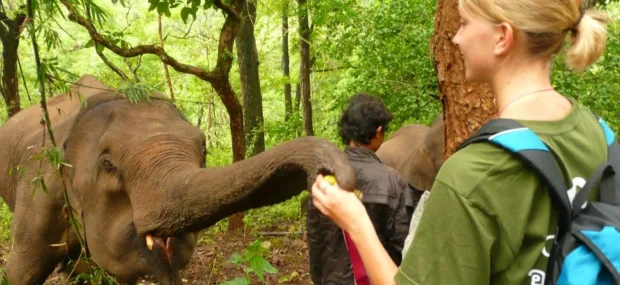
While turtle meat might sound exotic, because of tourist demand, many species of turtles are now going extinct. Riding an elephant might sound like a great Instagram photo-op, but that elephant was stolen from his mother as a baby and beaten for years to make him obey. Same goes for many other types of animals. If someone offers you an exotic meat to eat, or an animal to use, just say no.
Location, Location, Location
Choose your destination wisely. If you have a burning desire to visit the African continent, consider going to Kenya, which has made a strong commitment to wildlife conservation. Countries such as Namibia, Zambia and Zimbabwe are notoriously less responsible with their natural resources.

Do Some Research
Start with searching around on Green Globe, a worldwide certification program designed to help tourists discover their impact on local ecosystems and communities. You can also check out Planeta, which specializes in tips about environmentally friendly tourism. Doing a little background research will certainly make you think twice about haphazardly planning your next trip.
Look for lodges and hotels accredited with the Green Seal Certification for environmentally responsible practices.
Next time you plan a trip, consider putting some of these principles into practice. While you won’t be solving world hunger or curing AIDS, you may just become an unsung hero to a turtle or family somewhere.
For more information regarding ecotourism, and for some great ideas on ways to travel the planet in an earth-friendly way, check out The International Ecotourism Society’s website.
So what will you do to become a more earth-friendly traveler?






Great list, Hilary! Every traveler should take those 10 points to heart.
Easy tips: Travel in close destinations, don’t fly. You can find some cool places in your home country also, near where you live or go to work. No need to fly every year to some far destination or to another continent. Go to forest if your country has any of them left. Feel the earth and the air, rain and snow, summer and winter. I know not everyone has all this nearby, but we all have something to feel and wonder, we all have some places to go nearby.
Great idea. And you can invest in an electric car to get to all those local places too :)
I strongly agree with each point you made, and each tip you gave here, Hilary. But I’d like to mention that finding vegan food in less developed countries is very difficult. Any suggestions about that?
That’s just what I was thinking while reading the bottom part of the article. It’s difficult to find vegan restaurants or restaurants that serve vegan food in most (small) towns here in the USA. How are we going to find places that serve vegan food, for example in some tiny Vietnamese town? :/
Try the Happy Cow app. 🙂 You can also contribute to it, if you find a vegan-friendly spot that’s not listed. https://happycow.net/
I always try and buy local products as much as possible instead of the products that have been imported from overseas. I’m a firm believer that supporting the local economy and getting a taste of native cuisine is what makes traveling TRAVELING! However, I strongly suggest not to buy souvenirs or other items which were made from animal tooth, skin, bone, fur etc. That’s downright animal cruelty.
Such an amazing round up of tips for traveling eco friendly! Very simple yet unfortunately easy to forget by most travelers. I think travel agencies, hotels etc. should print out and give handbooks / brochures about conscious traveling to their visitors & clients. ?
I feel that there are very few people who think about how green traveling can be–people work so hard to be green in there own homes through cruelty-free products, recycling, and conserving heat, but they never think about it when they go to a foreign area. These are such great tips–- I had never even heard of green hotels before this article. I also think it is so interesting that different cultures have different approaches to being environmentally-friendly, so talking to the locals about it would also lead to some more interesting tips!
When we travel. We consciously and actively mind our carbon footprint. We choose to at least not leave garbage or anything that can harm the environment when we are on vacation. That means we carry our own reusable bags for groceries and all our trash are completely segregated and sent to a recycling plant.
Great tips Hillary. As a Vegan, I appreciate the efforts to help local animal sanctuaries and not supporting whoever exploit animals. Traveling should enrich us culturally and spiritually, and respecting/supporting our exploration surroundings is a great souvenir to take home with us!
Instead of taking the bus, how about using the city public bikes wherever possible. Best way to see a city. Also, rent bikes in other places for a more interesting view.
I love the idea of volunteering while traveling. Such a great idea.