
148 million people (including me!) had their information stolen when Equifax, a major credit bureau that collects all your most sensitive and personal information (everything thieves would need to impersonate you), got hacked. But this wasn’t the first big hack, nor will it be the last.

Imagine that you’re working hard to save up for that car or house you’ve always wanted, or that business loan you so desperately need to take your business to the next level. Out of nowhere you start getting loan statements in the mail from banks you don’t have accounts at. It only gets worse as you are notified of purchases you haven’t made for various, expensive items. Or maybe you don’t get any notices and you only realize years later when you apply for that loan; your credit has gone from 800 to 100. What’s going on??
The concept of identity theft was once a far-fetched idea, but now has become a super-common crime. Over 8 million Americans became victims of identity theft last year alone, a crime amounting to over $45 billion.
Criminals are able to pretend to be you and make financial transactions (like opening credit cards, taking out loans, buying cars, etc.) using your identity and social security number. Criminals can get your info any of a number of ways, like hacking, spyware, or simply mailing in any of the pre-approved credit card offers sent to you unsolicited (more on that — see tip #3).

Think you can just get a credit monitoring and “protection” service to protect you? Think again. Those services charge a small fortune for what you can get for free, and they don’t prevent identity theft — they just let you know there’s a problem after the fact. #useless
There are ways to protect yourself from identity theft and prevent something like this from happening to you. The steps are surprisingly easy and better than the alternative of spending months dealing with the banks and credit bureaus to untangle your credit and debt issues. Read on:
1. Don’t show your signature!
It’s really important that a copy of your signature doesn’t get into the hands of identity thieves since a lot of credit card companies, banks, etc. use your signature as proof that it was you opening the account or placing the transaction.
- Instead of signing the back of your credit cards, put in there “PHOTO ID REQUIRED”. This makes sure the credit card company will have to refund you if your credit card is stolen and used, since if the criminal forges your signature and it looks similar to your real signature, the credit card company will hold you responsible for the charges. #sneaky!
- Always sign paper reciepts for packages and purchases using your initials (unless it’s a digital screen where the clerk can’t see your signature). There’s no good reason to use your real signature unless you’re signing a contract or official documents. The less service people (waiters, delivery people, etc.) see your real signature, the better.

2. Put a freeze on your account. This is the most important step — by far. Having a credit freeze on your Social Security Number means that you’ll have to fill out a form (or make a phone call) and pay $5 to temporarily lift the freeze if you want to apply for a loan, cell phone, mortgage, etc. but it’s soooo worth it, since a freeze on your account means that identity thieves won’t be able to open any accounts or take out any loans in your name while the freeze is in place. Make sure to initiate a long-term freeze at all four credit agencies — here are links to instructions for each credit bureau:
- Experian
- Equifax
- Transunion
- Innovis
Keep in mind that the credit bureaus are super sleazy, and they’d rather you sign up and pay for their credit monitoring services, and then pay them again to help you clean up the mess when your credit is stolen. Don’t let them sell you on this crap. All you need is a freeze on your credit account. That’s it.
3. Tell the credit agencies not to share your info. They (unethically) make money by selling your info and credit report to companies who then send you solicitations for things like pre-approved credit cards. Criminals know how to tell when a pre-approved credit card offer is in the mail and grab it, sending it in accepting the offer and adding a change of address. Next thing they’re racking up charges (and putting you more and more in debt) for years behind your back and you have no idea, since you’re not getting the statements.
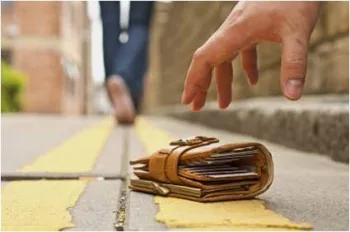
4. Make sure you have a copy of all the important contents of your wallet. Have the contents of your wallet photocopied or photographed on both sides — license, credit card, etc. Keep the photos in a safe but easily accessible place, like Google Drive or your locked filing cabinet at home. This way, you will know what you had in your wallet and all of the account numbers and phone numbers to call and notify.
5. When you lose your credit cards, cancel them immediately. As I just mentioned, a list of your various cards should be kept in a safe place (like in Sync.com, so you can access them from anywhere), including the card number and toll-free numbers displayed on the back of the card. If you lose your wallet or can’t find a card, pull up that file and call the card company to let them know your card was lost or stolen. Make calendar reminders to follow up with the credit card companies because, although they’re legally obligated, they often need several reminders before they credit you back funds from fraudulent purchases.
6. If your card is stolen, notify the authorities.
- File a police report immediately in the jurisdiction where they were stolen. This proves to credit providers you were diligent — and this is a first step toward an investigation should there be one.
- Also, call the four national credit reporting organizations immediately to place a fraud alert under your name and also call the Social Insurance fraud line number (see below). This will alert any company that checks your credit and they will have to contact you by phone to authorize new credit.
- Notify the FTC. This is only necessary if you think your identity has in fact been stolen. For credit card fraud, in which only a single account was compromised, an FTC report isn’t warranted. To file a report, you can visit the government website FTCComplaintAssistant.gov or call 1-877-ID-THEFT (438-4338).
7. Check your statements monthly. Go through each credit card and bank statement with a fine-tooth-comb. Make sure you recognize each and every transaction. If you don’t, then call the credit card company to get more info or to dispute the charge.
8. Check your credit yearly. Oh yeah, and you don’t have to pay for your credit report. The government mandates that, by law, you’re entitled to at least one free credit report from each agency each year (but the credit unions still try to trick you into paying anyhow). While plenty of websites and creditors promise free credit reports (then turn around and sell your information increasing your chances of identity theft, or sneakily sign you up to other services you don’t want), the official site to request them is AnnualCreditReport.com or by calling 877-322-8228.

…and a few more bonus tips:
- Create strong passwords and regularly change them, and enable “two-factor authentication” wherever possible (this means you’ll get a text message with a code that will let you login — but only for the first time you access that website on a new device).
- Shred receipts, credit offers, account statements, and expired credit cards, to prevent “dumpster divers” from getting your personal information.
- Keep personal information such as your address and phone number off social media sites, as well as any details you use for online security questions (like your mother’s maiden name).
- Do not carry your Social Security card in your wallet. Keep it in a locked safe at home.
- To prevent getting spyware installed on your computer don’t click unknown links in emails.
- Collect your mail promptly. Place a hold on your mail when you are away from home for several days.
- Want more? Here are some tips from the US Government.
Remember the numbers to call when your credit cards and SS card are lost/stolen:
Equifax: USA 888-766-0008 & Canada 800-465-7166
Experian (formerly TRW): 888-397-3742
Transunion: 800-680 7289
Innovis: 800-540-2505
Social Insurance (fraud line): USA 800-269-0271 & Canada 800-206-7218
The FTC: 877-ID-THEFT (877-438-4338)
Need another number? Try GetHuman.com to find a number that connects you to an actual human being.






Great tips!
Make sure your relatives, especially older ones are also aware of the current scams. My father gave out my personal information because a woman claimed to be a long-lost relative wanting to look me up. He verified my maiden name as well as my mother’s! He was trying to be helpful but it ended up costing me a lot of time ensuring this woman didn’t do anything with the information and we had to put out a fraud alert.
Bottom line, it’s not just you who needs to be aware of the scams–your parents and relatives need to be aware as well.
Thanks for all the info and advice. I was a victim of identity theft, and since then I have been an advocate of identity theft protection. I am continually educating myself to help prevent becoming a victim again and to help others as well. 🙂
All this is fine, but most monitoring is unnecessary. Identity theft is virtually impossible to eliminate… 🙁
A really simple solution is to have a callback and verification system , every time some company wants to issue new credit, checks your credit or use credit in your name, the onus of verification should fall on the company issuing the credit not you as the hapless consumer.
This way identity thieves would have to not only know your ssn or other key information but have to answer the phone and answer questions like what was your last phone / electric bill, legitimate users would have no qualms with this and it would stop 99% of identity theft.
Problem is companies are too lazy or in some cases complicit with these fools and just want to make a quick buck.
We’re not going to always prevent identity theft, but alerts and freezes can help minimize the chance of it happening.
Check your credit report on a regular basis. The identity thief will most likely try to obtain credit or store cards in the name of a victim. Many of these cards are used normally for a time with the aim of increasing the credit limit attached to the card. This means that by checking your credit file once or twice each year, it may be possible to spot credit that was not applied for by you. If you do see such a card, it is vital that you report it to the company involved, the police and the credit referencing agencies as soon as possible.
We stop the mail and paper a few days early. We have had issue with delivery so this allows us to see that the message was received. We also add a couple of days on at the end incase of delays. Then if we get home on time, we just go pickup the mail and have the paper restarted. Works well for us.
Regarding the credit cards, along with the account numbers, we copy down the toll free number of each card we take, and keep it also stored for accessing it on our computer/phone so we can call right away.
Oh and if you are traveling on a connecting flight in the US to an international destination, you so need your Medicare card. It takes up little room. We always go to an airport hotel the night prior, so we might need it before flying and I wouldn’t leave it in the car while on the trip. Better in the money belt.
Great tips! Photo Id required instead of a signature is a fantastic idea. Thank you for sharing such useful and helpful article.
I keep copies of all travel documents: passports, Visas, etc in an online account like Dropbox or OneDrive. If the real thing gets lost or stolen, I have virtual copies. As much as some distrust the security of these services, I still think they are safer than giving my credit card to service people who have to walk away with it to run it through their machine.
Great tips. You’re so right. I would also have some safety tips and suggestions, but about using passcodes and passwords to protect smartphones, tablets and laptops. So many people don’t use them because it creates an extra step to use them and all they think about is fast, fast, fast access. I have a friend who didn’t protect his laptop. When he checked into his hotel he gave his bag with his laptop to the bellhop to take all the bags to his and his wife’s room. When they got up to the room and unpacked, the laptop was gone. He hadn’t protected it with a password or passcode and spent the next several hours of his vacation using his iPad to log into bank, credit card and almost a hundred other websites to change his passwords and security questions to protect himself.