
In the midst of what was an otherwise self-absorbed and indulgent vacation, I was confronted with realities that commanded awareness and a sense of personal responsibility. I was sailing with friends in the Andaman Sea. Surrounded by scenery so dreamlike that even my imagination couldn’t compete with, I questioned if we had been CGI-ed into the set of movie Avatar. Friends who have looked through my photographs claim my photos “can’t be real”, or that they “look like a postcard”. But what my friends didn’t see (as a result of my careful omission) was the vast amount of trash dotting the shores and floating in the water so prevalent among some of the most beautiful landscapes on earth.
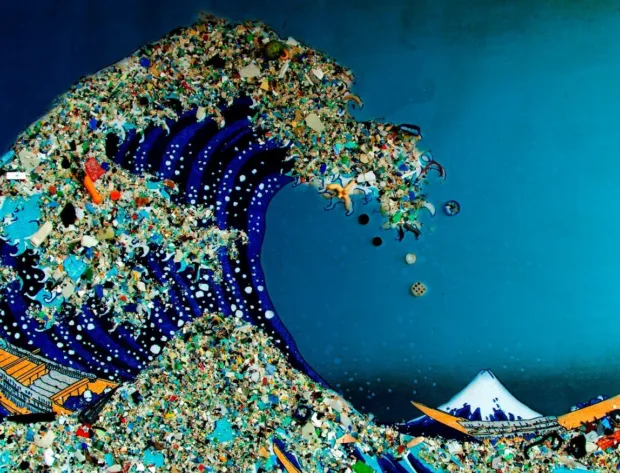
The ocean has given so much to me in my lifetime. It hurt me to no end to see such rampant pollution. Dozens of miles from shore, on remote and uninhabited islands, plastic bottles, mountains of disposable containers and countless remains of now indistinguishable styrofoam something’s covered the coastline. The evidence of such neglect and indifference was painful to process. Regardless of your stance on climate change, and even if you think humans have no influence on the environment, how could one have such blatant disregard for such profound beauty.
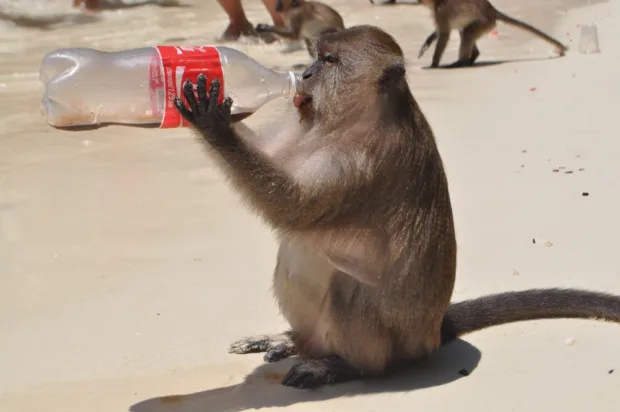
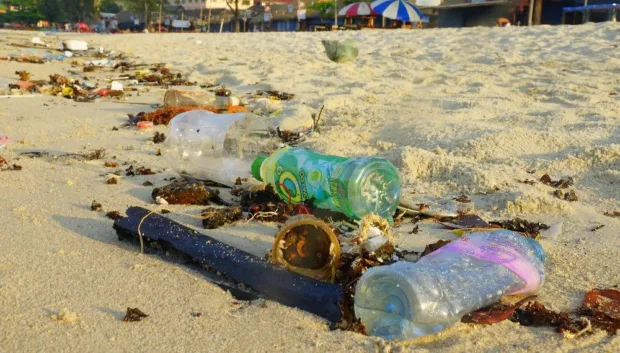
On the dock at the Marina, I had struck up a single serving friendship with a local. I inquired about renting some fishing poles but my new friend discouraged me from doing so. When I asked why, he simply replied “there are no fish in this part of the sea anymore”. By the time we got to the more touristy islands like Koh Pi Pi, I was nauseated and ashamed of us. Outdoor bars right on the sand where people discard cigarettes and beer bottles directly into the bay. This island was the filming location for the movie The Beach. For as far as I could see in every direction, there were American and Euro trash tourists behaving as if they had deep contempt for the same gorgeous scenery they had traveled thousands of miles to visit. It was an all-out assault on nature.
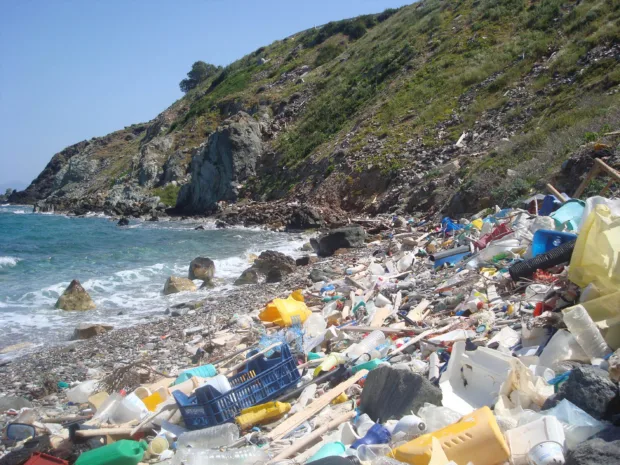
During recent sailing adventures in Latin America, I have made similar observations. I have also heard firsthand accounts from other sailors’ of enormous trash islands they have passed floating in the middle of the Pacific. This isn’t the result of Tsunamis, and my personal experience confirms the problem isn’t isolated to specific regions. This is happening all over the world.
I was disturbed to the point where I needed to participate in some small way. I don’t have children, but many of my close friends do. I am also not Al Gore and many people that know me may be surprised or classify what I have shared here as uncharacteristic given the altruistic nature of my message. To be really direct, I wasn’t motivated to help for the purpose of leaving a cleaner planet for future generations. My relationship with ocean deserves reciprocity. I owe a debt, and a precious resource, my inspiration is in danger. Regardless of how insignificant my contribution may be, I just needed to start somewhere, do something.
I began modifying my use of resources on a daily basis immediately. Plastic garbage bags were replaced by stylish reusable totes when I went grocery shopping. Recycling trips became a top priority because I started diligently separating my trash each week. Reusable stainless steel water bottles limited the number of plastics in my possession. Organic and anti-chemical cleaning products became a healthier option for my home maintenance.
Organizations such as Clean Ocean Action and Surfrider Foundation allowed me to research about ocean life and connect with others who were passionate about keeping the ocean healthy. While adapting to a more eco-friendly lifestyle, I inspired my family, friends, and readers to do the same. These lifestyle changes are the foundations for better treatment of our oceans. If all of us contributed our eco-friendly efforts, the ocean would be in a better condition for the future.
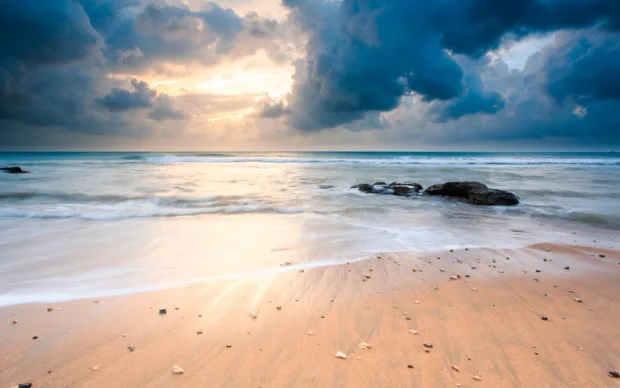
Sometimes the smallest acts of giving can still have a large impact on a cause. Humanity isn’t just a single entity detached from nature. It’s our responsibility to be one with nature and not abuse what it provides. By caring for our oceans, we create a priceless exchange. Limiting our ocean pollution brings us clean water and air for generations. Whenever you are at the beach or on a yacht, take a moment to meditate on how nice the ocean feels not only to you, but to all creatures living in it. Now, that’s something worth protecting.




Be the difference you wish to see in the world ? Buy your bracelet and pull 1 pound today https://4Ocean.com
As I learn more about the fascinating creatures living in our oceans the guilt over my plastic consumption multiplies.
I just recieved my Umijoo pin. If you haven’t heard of this great project, check out Umijoo (https://patreon.com/umijoo) – a beautiful illustrated children’s book that raises awareness of our ocean environment!
Check out this video documenting a blogger’s plastic consumption: https://youtube.com/watch?v=BrJERWssyQg Over the next month I’m going to look into alternative products to lower my plastic foot print.
“Using bows and arrows, participants shoot the rays from boats and afterward club the still-living fish in the head. Since the contest is held in pupping season, contestants frequently kill newborns alongside adults.” Support this cause! https://aldf.org/blog/we-stand-against-senseless-cownose-ray-killing-contest-in-chesapeake-bay/
Well done article. Thank you on behalf of all wildlife.
Last week I saw about 30 ft of fishing line left on a shoreline of a island in Port Orange bay area. Near by was a turtle skeleton. People disgust me.
Did you realize that three out of every four breaths of air, irrespective of where you live on the planet, comes from our ocean? Millions of single-use plastic bags are entering the ocean each year. They kill all sealife that comes into contact with them.
When I was snorkeling in Turks I saw a small shark with a plastic bag around his fin. The sight just made it really clear how destructive we’re being, as humans, and how important it is that we stop polluting.
I saw a turtle caught in a fishing net once. Broke my heart. Since then, I always pick up the trash on the beach.