
I used to just take people at their word when they said that certain foods were healthy. Then I started doing my own research, and discovered that a lot of foods that are marketed as healthy are actually the exact opposite of that. We all know that we should limit junk food – it’s common sense. The problem is that we have been coerced by clever marketing tactics for many years, into eating foods that we believe to be healthy; when in fact, they are doing our body, and our health far more harm than good. Here are some of the foods that we should be avoiding, despite believing that we are opting for healthy alternatives:

Cow Milk
Got milk? Absolutely not!
Since we were children, we’ve been fed the bogus message that ‘milk gives us strong bones’ and ‘does a body good’ because of the calcium it contains. The marketing continues, despite the mountains of evidence that counteract this argument and show that people who consume a high quantity of dairy sustain more fractures than those who drink a small amount.
Us humans were simply not designed to drink milk. Past infancy we don’t produce Lactase, the enzyme that aids the digestion of the milk sugar lactose – which is why milk can have such an adverse effect on our digestive system. On top of that, like all animal protein, milk acidifies the body pH which in turn triggers a biological correction. You see, calcium is an excellent acid neutralizer and the biggest storage of calcium in the body is – you guessed it… in the bones. So the very same calcium that our bones need to stay strong is utilized to neutralize the acidifying effect of milk. Once calcium is pulled out of the bones, it leaves the body via the urine, so that the surprising net result after this is an actual calcium deficit.
This, coupled with all the antibiotics the cows are given, the saturated fat that milk contains and the fact that milk protein casein encourages mucus production…milk is definitely something that we should avoid.
While of course, calcium contributes to our bone, nerve and muscle health, there are other sources of calcium that give it to us in an alkalyne form where our body can actually use it. Kale, edamame beans, almonds and even broccoli are all incredibly rich in calcium, fibre and phytochemicals. Add them to your daily green juice or smoothie and you’ll actually be ‘doing your body good’.
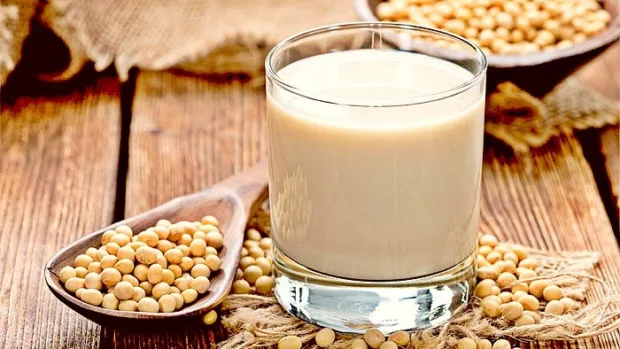
Soy Milk
Often, when women decide to avoid dairy, they reach for the most common substitute – soy milk. Soy milk is high in phytoestrogens; these are plant compounds that the body treats as oestrogen and studies have shown that soy milk can cause hormonal disruption within women’s bodies. Now I know that there is only so much that a man can comment on women’s hormones, so I will stick to the facts – playing havoc with oestrogen levels can result in weight gain and dry skin.
Soy milk is usually comprised of genetically modified, synthetic ingredients grown using pesticides and herbicides; basically, things that we do not need to be putting into our body. Soy is also high is phytic acid – a composite that reduces the body’s ability to absorb calcium, zinc and magnesium.
All in all? Avoid soy products and opt for nut products instead.
If you are looking for a dairy alternative, the best option is to make them at home. I know, I know, yet another element to add to your weekly meal prep – but your body will thank you for it! These videos show you how to make almond and coconut milk from the comfort of your own home.
Of course, these non-dairy milks can be bought in stores, but the problem is that they too, fall prey to being pumped full of undesirable ingredients such as emulsifiers, which give them its creamy consistency. Emulsifiers can also be found in foods such as creamy salad dressings, baby formula, mayonnaise and ice cream. Emulsifiers are linked to poor gut health because these ingredients alter the natural microbes that live in the gut. In case you weren’t aware, your gut is the most important part of your body; it controls everything from your immune system, to how many nutrients you absorb from your food, to your skin and mood and more!

Sugar-Free, Fat-Free, Light and Low Fat Foods
Diet drinks are a guilt-free alternative to drinks filled with table sugar, right? WRONG. This is a big misconception.
Diet Coke has been targeting women since 1982 and is currently ranked as the 2nd most popular carbonated drink in the world (regular Coke being the 1st). Still, in today’s health-conscious society we are happy to drink the Its-Not-Sugar-Its-Packed-With-Highly-Addictive-Aspartame-Instead beverage.
Aspartame. (#Yuk!!)
Let’s just stop for a minute and consider the 80s – a lot of bad decisions were made in the 80’s. Perms and leg warmers were bought is large quantities, along with Diet Coke. The fact that its name included the word diet meant that it almost immediately appealed to the weight-loss-obsessed set; and here began the mass onslaught of diet, fat free, and sugar free foods.
Let’s get one thing straight – fat is not the enemy. Our body needs fats for energy, for hormone synthesis, for healthy skin and hair and to protects our vital organs. Of course, not all fats are made equal and should be consumed in moderation. It’s the same with sugar. Sugary foods are extremely unhealthy and will lead to numerous health conditions — but lowfat, fat-free, and sugar-free foods are NOT the answer. These foods are packed to the brim with synthetic chemical sweeteners, salt, MSG and additives to make up for the change in taste.
At the end of the day, these foods are not made with your health in mind; they are made with large profits in mind by praying on people’s weight-related insecurities… and they don’t contain quality, wholesome ingredients because these would impact profit margins. Research has shown that artificial sweeteners are worse than sugar at inducing insulin sensitivity and they actually promote weight gain due to metabolic confusion. The body isn’t fooled by ‘empty calories’ and the cravings for energy continues, giving you the munchies and making you consume more calleries overall.
Hey – you know what? Eat the cookie! A treat here and there is good for the soul and isn’t going to impact your health; no one wants to be around a ‘hangry’ person.
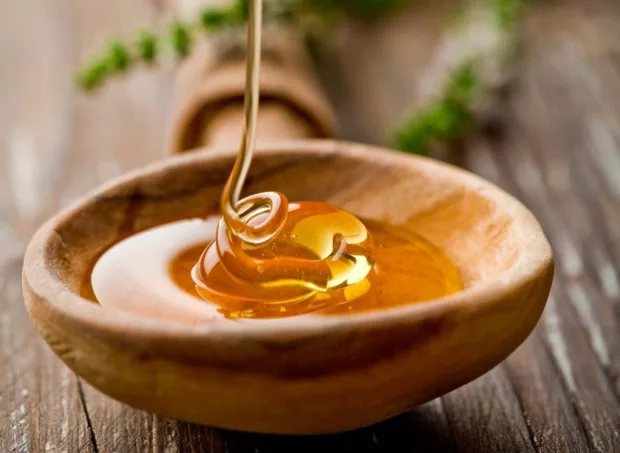
Honey
There is an element of truth to the ‘honey is healthier’ message that we have been bombarded with: Honey in its raw form, from a farmers market or farm shop, will contain free-radical-blocking antioxidants, is organic, and is free from the nasty antibiotics given to commercial bees. This makes is a much better choice than table sugar.
In contrast, much of the honey sold in supermarkets is chemically refined and excessively heated, meaning that the natural vitamins, minerals, and enzymes are destroyed, and nothing healthy is left in the product.
If this wasn’t enough to put you off the golden nectar – wait for the next part.
Honey is mainly comprised of fructose, which can’t be used as a fuel source by the body like glucose can. It’s shuttled straight to the liver and is stored in the cells as fat, where it produces waste products such as uric acid that can lead to gout. All this and a bit of insulin resistance (a precursor for diabetes) thrown in — ain’t NOBODY got time for that!
If you do need a sweet fix now and then, opt for fruit, which does contain fructose, just less concentrated, plus you also get the added benefit of fibre!

Meat
Meat (along with cheese, milk, and highly-processed foods) causes increased levels of long-term inflammation in the body. The worse culprits are red and processed meat, which are also linked to type-2 diabetes because of the iron and nitrate preserves.
While meat is inherently high in protein, unless you are working out like crazy to ensure this turns into lean muscle, the excess protein is synthesized into fat, or waste products – causing weight gain, diabetes, and heart disease. And remember what I told you about how dairy depletes your bones? Meat does the same thing, in the same way.
It’s possible to opt for a vegetarian or vegan lifestyle and still consume the recommended amount of protein. Quinoa, peas, nuts and seeds, chickpeas, leafy greens, and lentils are just some of the foods that are high in protein. Plants are also naturally anti-inflammatory, high in fiber and anti-oxidants – making your body much healthier. There are also plenty of vegan protein supplements available for those who are concerned about their training goals.
I mix pea and hemp protein powders in my morning smoothie, which makes a complete protein that’s clean and anti-inflammatory.
And there you have it, the foods that we have all been consuming whilst sitting in our ivory tower, thinking we were doing all we can to choose healthy options. A general rule of the thumb that we can all follow is to drastically reduce the amount of pre-packaged food that we consume; anything that comes pre-packaged will contain artificial additives, preservative, sugar, and salt – all the things that we should be actively avoiding. Opt for whole foods in their natural state and be safe in the knowledge that we are avoiding the chemical nasties that have been plaguing us all for so long.






If you’re really concerned about manufactured food, don’t eat them anymore. Whole foods are always better because it’s not like someone will inject synthetic sugar in carrots. If you want flavoring in your food, use fresh herbs or ones that you dried personally. Food companies want their products to taste good despite the healthy claim. Without MSG or added sugar, their products will taste like nothing and you won’t buy it. It’s not exactly their fault, they need the sales! ?