
Come la maggior parte delle donne urbane oberate di lavoro, spesso torno a casa alla fine di una lunga giornata lavorativa e crollo davanti alla TV. È un ottimo modo per fuggire e adoro lasciarmi coinvolgere dai personaggi ritratti nei miei programmi preferiti. Ma recentemente ho iniziato a chiedermi: come sta la società (e come sto? Io) influenzato da ciò che sto guardando?
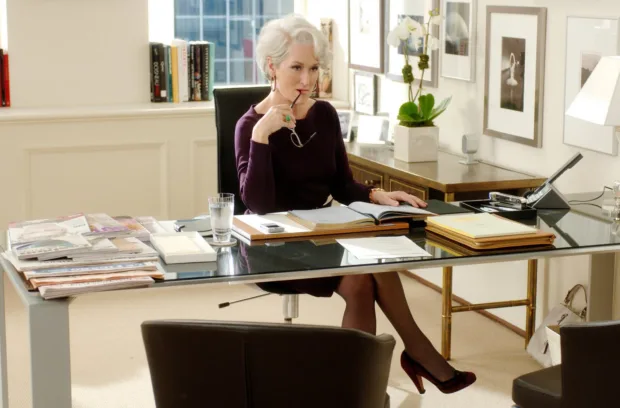
Nelle rare occasioni in cui vediamo capi donna nei film e in TV, di solito sono stronze. Puttane gelide, manipolatrici e pugnalate alle spalle. Più anziani, ma non per questo meno insicuri, sono gelosi delle stagiste con le ovaie fresche. Ruberanno le tue idee e le spacceranno per proprie. A loro non interessano i tuoi sentimenti o la tua vita personale, solo il loro caffè di preciso come piace a loro. Vogliono che tu resti al tuo posto, che è molto al di sotto del soffitto di vetro che nemmeno loro sono riusciti a incrinare del tutto.
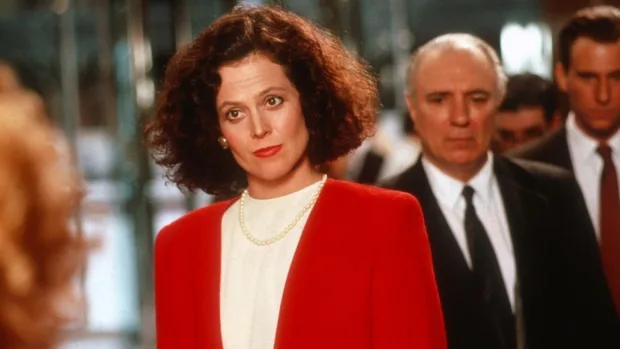
I capi uomini, d'altra parte, possono essere rappresentati in vari modi: il bravo ragazzo, il duro, l'idiota, l'idiota, ecc., ma il capo donna? Hollywood dice che esiste un solo "tipo".
Sono sicuro che i capi stronzi esistano nella vita reale, altrimenti non ci toccherebbero così tanto. Il Diavolo Incontra Prada dopotutto è basato su una persona reale. ma Là fuori ci sono anche capi donne gentili, ben adattati e stimolanti. Per quanto divertenti siano i cattivi boss stronzi da guardare sullo schermo, non possiamo essere ciò che non possiamo Vedere. le rappresentazioni negative dei capi donna stanno spaventando alcune donne e allontanandole dai Ruoli di leadership. le giovani donne non vogliono ricoprire il ruolo del cattivo, e chi può biasimarle?
Sono sicuro che non aiuta il fatto che A) Hollywood, e i media in generale, siano in gran parte gestiti da uomini, e B) per questo motivo, alle ragazze viene insegnato (tramite i media) a essere competitive tra loro, piuttosto che supporto (Sto indicando te, Disney!)
Le leader donne sono una rarità, sia nella cultura pop che nella realtà, in parte perché la donna che lavora è un fenomeno relativamente nuovo. Fino al Mondo I, la casa era il dominio della donna. Dopo che i soldati andarono in guerra, le donne occuparono i loro posti con una retribuzione inferiore (ancora oggi combattiamo il divario retributivo di genere). È solo negli ultimi decenni che abbiamo ricevuto la stessa educazione degli uomini, e non siamo stati allevati semplicemente per attrarre un marito (anche se in molte parti del mondo questo è ancora un lavoro in corso).
Ma, ragazzi, ci sono mai state ragazze che si sono fatte avanti e hanno fatto un fuoricampo. Sono più le ragazze che i ragazzi a laurearsi e le donne avviano attività imprenditoriali a una velocità doppia rispetto a quella degli uomini, ottenendo molto più successo imprenditoriale. Dopo aver giocato per secoli un ruolo servile, stiamo finalmente iniziando a chiedere di più.
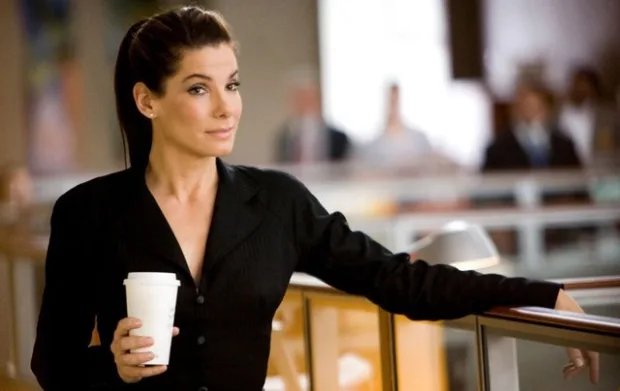
Tuttavia, il nostro modello per fare carriera sul posto di lavoro si basa sul modo di fare delle cose maschile. Il problema è che emulare gli uomini non funziona per le donne. Un uomo può comunicare in modo diretto e impersonale ed essere lodato come macho, ma una donna che si comportasse allo stesso modo verrebbe etichettata come una delle parole B. Diciamolo chiaro: uomini e donne non sono identici, e non lo saremo mai: ogni genere ha i propri punti di forza. Ma ciò non significa che un sesso sia inferiore all'altro.
Le donne hanno un grande potenziale per essere leader forti. Infatti, le aziende gestite da donne hanno un tasso di successo più elevato rispetto a quelle gestite da uomini. Quindi, invece di seguire il percorso dell'uomo, dobbiamo guidare con i nostri punti di forza unici. Quando una donna viene considerata prepotente o stronza, è probabile che reagisca per mancanza di riconoscimento, rispetto e autostima. Questo approccio alla leadership basato sulla paura non è esclusivo delle donne, ma poiché ci sono così poche donne capi, quelle che agiscono in questo modo danno una cattiva reputazione a tutti gli altri. Giusto o no, dovremmo prenderlo come spunto per fare le cose diversamente.
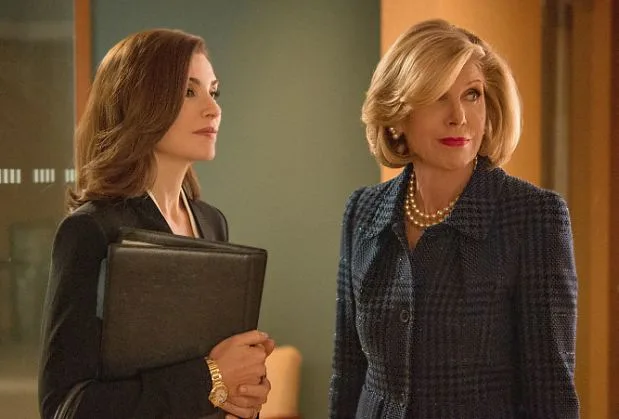
Cosa rende un grande leader? Fiducia, creatività e chiare capacità di comunicazione. Il miglior capo è accessibile, ispira gli altri, dà l’esempio e si assume la responsabilità. Queste qualità non sono esclusive di nessuno dei due sessi. Quando le donne si connettono al proprio potere interiore e guidano da un luogo di fiducia, le etichette di puttane non saranno un problema.
Ogni giorno traggo ispirazione dalle donne intorno a me, dalle donne più anziane con la loro ricchezza di saggezza e la loro generosità nel trasmetterla, alle donne più giovani e coraggiose con la sicurezza che sono sicuro di non aver mai posseduto quando avevo la loro età. Man mano che assumo maggiori responsabilità di leadership, mi rivolgo a queste donne forti per avere guida. Anche se i loro tipi sono molto sottorappresentati sullo schermo, sono i miei modelli.
È ancora difficile trovare buoni ruoli per le donne nel cinema e in TV. Esistono e cercherò ritratti più positivi dei capi donne in modo da poterli contare su più di una mano.




Lady Boss Stereotypes! They exist because of the fact that women were brought up to be “nice girls.” We are trained and encouraged to be pleasing (always). In contrast, boys are trained to stand out, they praised if they are competitive, combative and outspoken. Until adulthood, women are just expected to “fit in.”
It’s high time that we break these! Empowering article, keep writing!
Kudos, Annie Zhu! I agree to your points! It’s definitely long past due that Hollywood embrace a more progressive and positive portrayal of the strong and hard working female executive, as they’ve long done for our male counterparts.
I can just conclude that media are afraid of women climbing up the corporate ladder, but why are they afraid or I should say, why are they insecure?!
I know right!!! They are afraid of us because WE can do better!!! Yes, we cry and show weakness (unlike men) but when we bounce back, we do it big time!!! That’s what we have and can do that media CAN’T show!!! Too bad!!!
In my opinion, media plays a role (that’s their main reason for existence anyway — to influence). But the sad thing is people (or I should say MORE WOMEN) allow themselves to be labeled and not to think for themselves, they allow “indirectly” permit name calling. Media intimidates and offend, but why are we allowing it? I appreciate you writing such empowering article, it’s an eye opener and might be a good start of something positive!
For me, there’s a difference between a “power struggle” and speaking and doing what’s right and what you have to do.
Women don’t get much encouragement, and empowerment, as on the other hand, a lot of men think that they deserve that role because they are well, men. In a lot of cases, men are driven by their ingrained attitude of being the superior sex which justifies their behavior (which is mentioned in the article) toward women. But it’s not just that. Insults, unspoken assumptions or unconscious biases toward women are present in the workspace which is holding them back. Nevertheless, I believe that women will sooner or later get the recognition that they deserve !!!
I have had bad bosses of both genders and also good bosses. Now I am older and wiser I am also able to nip any signs of negative behaviour in the bud. However, I do always look at my own behaviour, to make sure I am not contributing negative myself. Some people are so quick to assume that a female boss will be dreadful that I wonder if they give them a fair chance.
I wish media would be able to portray positive traits of female leaders as well. I’m not against of these “bitchy bosses” on film or TV because they do exist, but I wish media highlight positive more than the negative.
A dislike of ‘female bosses’ from some people may perhaps partially be caused by an experience of some women in charge having an inferiority complex which makes them more aggressive. I’ve experienced it before, and it’s unhelpful.
But personal experience taught me that there are many excellent women bosses: firm, clear, good leaders and good with people.
If you’ll ask people from media, they would claim that what they show are based from “real experiences.” But if I’m going to say a word, “women are just as good bosses as men.” So yeah, bitchy boss should be “dispelled” from pop culture!
Well, media plays a huge role and it’s disheartening that women leaders are portrayed negatively. I’m an aspiring leader, I’m organized but frank and I know these qualities are taken against me. But I don’t care as long as important projects are accomplished, they can say all they want.
If you’re to ask me, I prefer competence and gender is irrelevant. A good leader, regardless of gender should understand, advise and take full control when problems arise.
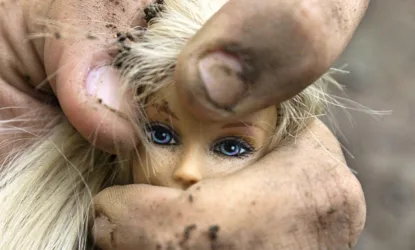
I think as women go up the corporate ladder, men’s ego are insulted and this situation has created a need for the media to downplay the intelligence and true talents of strong women and to fall back on the sensationalism of catfights and the jiggly butts and fake eyelashes of the “Barbie Dolls” who permeate the airwaves and Internet websites.
Thanks for writing this, powerful indeed!
Reading this article reminded me of the best boss I had… and she’s a woman! I consider her the best boss because she cares about ALL her employees, she offers guidance when needed, she gets out of her way to help, inspires and empowers employees. Yeah, she empowered me, that’s why I myself is a female boss now. And I’m sure, I would be like her — an inspiration to colleagues someday.
That’s how the world should be, people helping each other and empowering… I’m trying to be good to people because I hope when I’ll need help, someone will give me his hand.