
Stress plagues our everyday lives. It’s sad, but true. When we’re not worried about dodging deadlines at work, weaving through strangers on hot, overcrowded subways, or precariously avoiding family drama, we’re stressed about what to wear to that party on Saturday, and how on earth we’re going to make time to get our nails done before then.
The fact is, stress is everywhere, and it permeates all aspects of our everyday living.

And if you’re anything like me, getting bad news can take the relaxation out of my sails and make something as pleasant as a stroll in the park or a day at the spa somehow “stressful.” While I’m not trying to be Polly Pessimistic, it’s something that we have to embrace and deal with. But that doesn’t mean there’s nothing we can do to help mitigate the unpleasantness and succumb to the terrors of stress (which for me, includes sleepless nights, terrible skin rashes, internal havoc, and periodic eye-twitching).
Because stress is but a mere symptom of our physiological and psychological breakdown, we can still alter the situation and manage to keep our sanity before things turn awry. When we learn to recognize and deal with burnout, we will have the power to do what we actually want and take better care of ourselves.
Being mindful of your stress, and integrating different practices into your daily routine can help minimize the likelihood that you’ll have a nervous breakdown. Here are some ways you can keep control of your stress throughout the day:
1. Pause and refresh
When you’re at work and you’re having one of those moments where you’re ready to kick over the water cooler, take a moment. And to prevent those inevitable freak-outs, try and pause for 5 or ten minutes every 2 or 3 hours. Stand up, stretch, and get fresh air. Meditate.
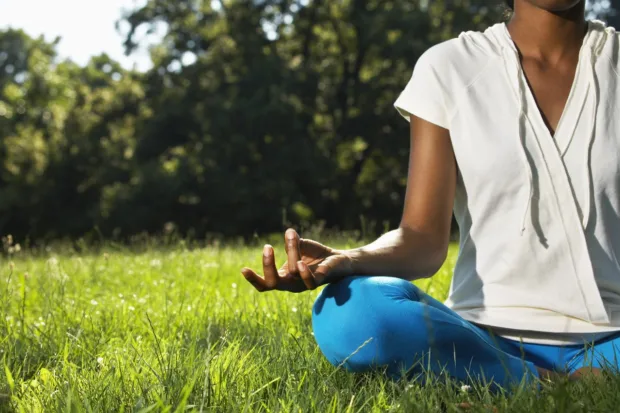
Also, throughout the day, try drinking an excessive amount of water and organic herbal tea. Not only is water great for flushing toxins out of your body, but it’ll force you to take more frequent bathroom breaks, which equates to more time away from your desk to help recalibrate your brain.
2. Try to take things one at a time
All day long, we’re multi-tasking to get a million things done. And sometimes, it feels like there is just not enough time in the day, week, or year. Well, that’s life. Embrace it. And instead of panicking about everything you have to accomplish this millennium, try to limit your anxiety to what you need to get done today. You have all day to worry about tomorrow, tomorrow.
3. Give yourself some credit
I’m awesome. Go ahead, say it out loud. This may sound a bit narcissistic, but it’s important for us to recognize the accomplishments that we have made each day – no matter how insignificant they may seem. When we are stressed-out, everything around us seems chaotic and we get disappointed because we cannot put things in order no matter how hard we try. By giving yourself a little credit, it may give you an extra boost of optimism and that kick-in-the-ass you need to just get things done.

4. Make every day a “healthy” day
While smoking cigarettes, binge drinking, then sitting around all day eating Cheetos may sound fun, your system and your stress levels won’t agree. Going to bed by 10pm and getting regular physical exercise are basic steps of any stress reduction program because they helps calm the nervous system. Sustained exercise, like aerobic, produces more of the natural soothing hormone endorphins in the body.
Healthy balance can also be achieved by reducing our sugar intake. Too much sugar can deplete B-vitamins, which are essential for a healthy nervous system. More importantly, we have a tendency to stress out about our skin, our weight, and our overall health – so why torture yourself via self-destruction? Feeling good about our health and our bodies gives us one less thing to stress about.
5. You can cry if you really want to
Repressed feelings are often intense and destructive — like monsters that slowly eat us from the inside. We have to let go of our emotions when we feel like it. Modesty and professionalism should not stop us from expressing our feelings, but keep it balanced – nobody wants to be known as the office lunatic. Sure, crying not only helps release toxins from the body, and it is also liberating, but have some discretion. Cry under your desk or in the supply closet, and feel free to punch the paper towel dispenser in the bathroom to get some anger out. Just release your emotions before you attempt to discuss your frustrations with co-workers.
6. Laugh all day, at least at yourself

Finding humor in simple things is not synonymous with being mischievous. Instead, it means accepting the fact of life that we are imperfect and we put ourselves into awkward situations every now and then. When those awkward moments happen, try and let yourself appreciate how funny awkwardness actually is. It’s hard “not to take things so seriously,” but laughing at yourself is easier than it seems – and you can still take life seriously at the same time. There are lots of ways to have fun, and stay productive. So laugh – it’s a contagious de-stressor.
At the end of the day, it’s up to you to decide how to deal with stress. While we can’t control every stressful situation that surrounds us, we can certainly control how we let stress control us and our emotions.
What are other ways you’ve been successful at keeping stress at bay throughout the day?






If you’re living with high levels of stress, you’re putting your entire well-being at risk.
Breathe. It sounds so simple, but we rarely make time in our day to just breathe. The good news is that you can do this anytime, including right now. Close your eyes and focus on your breathing. Breathe in through your nose for a count of three and out through your mouth for a count of five. Do this 5 times and see how you feel. For me, it has helped me get through the day without freaking out or getting anxiety attacks. Breathing helps you get back on focus, it’s also a lot like a “think before you act” kind of thing, wherein before you let the feeling of stress eat you all up, you’re right there to put a stop to it.
Stress within the allowable limit will improve one’s capability. But beyond the limit, it makes strain in physical as well as mental states. Accumulated stress leads to diseases and reduces even the existing capacity.
I guess you already know what can happen if stress is not managed. It has all kinds of physical and psychological consequences. Managing stress after it has appeared is one thing and preventing it from arising is quite another. the latter needs insight and understanding. work on prevention so there is no need for the cure.
You must never manage stress. (it’s a not-so-well thought idea, that stress has to be managed. psychologists and psychiatrists continue to work on this. I really don’t understand why.)
STRESS is something that takes over your mind and keeps you from making better judgment out of everything. Stress is something that is a parasite living in your body and killing you from the inside out. It is something that hinders our daily productivity and makes our awesome mind and heart filled up with doubts, anxiety, doubts, worry and so much more. In the end, it takes over the mind and leaves one emotionless.?
I know someone in our office that tends to always look like there’s a storm cloud looming above his head. It’s probably because he’s so stressed about everything that it manifests in his aura or his face in general. Nobody wants that.
This one’s drastic, and probably too drastic for most. But in most likelihood, your work is your absolute biggest stressor. Getting out of your 9-to-5, automating your income, and finding something you truly love to do, that you’re passionate about, will create a positive life and much less stressful one at that. Give it a little thought before dismissing it, there might be possibilities here you haven’t considered. This has become a case for me, but the moment I decided to quit it and move on to a better phase in my life, I have honestly never felt better. I felt like a huge load was lifted off of my shoulder.
I recently saw something on facebook that’s about passive aggressiveness. A lot of people do that and it contributes to a lot of unecessary stress in their daily lives. If we could all just be reasonable and pass up on situations that don’t really need much of our energy, then maybe we won’t be as stressed as we are.
Take time to participate in activities you enjoy. Make time for friends and family. Many people report not having enough time to do things they want to do, however, research shows people now have more free time than ever before. Try not to spend too much idle time watching television or playing on a computer, which can take up a lot of time.?