
Like most overworked urban women, I often come home at the end of a long workday and collapse in front of the TV. It’s a great way to escape, and I love getting wrapped up in the characters portrayed on my favorite shows. But I recently started wondering: how is society (and how am I) affected by what I’m watching?
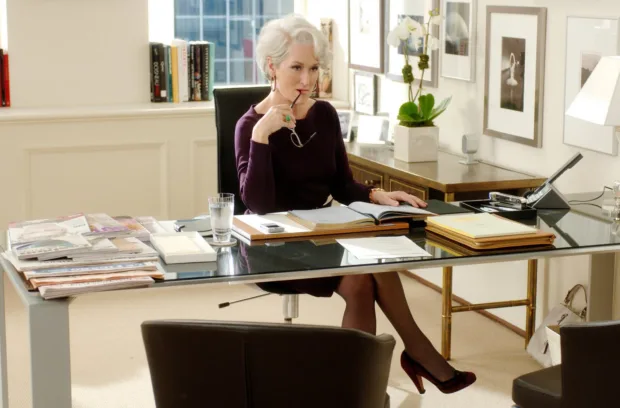
On the rare occasions we see female bosses in film and TV, they are usually bitches. Frosty, manipulative, backstabbing bitches. Older, but not any less insecure, they’re jealous of the interns with fresh ovaries. They’ll steal your ideas and pass them off as their own. They don’t care about your feelings or your personal life, just their coffee exactly the way they like it. They want you kept in your place, which is far below the glass ceiling they haven’t completely cracked either.
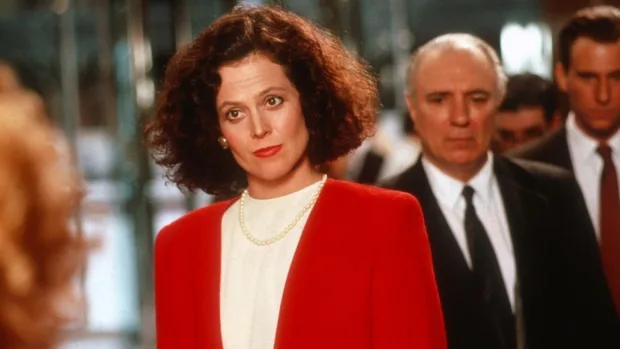
Male bosses, on the other hand, can be portrayed in a variety of ways—the nice guy, the hard-ass, the jerk, the idiot, etc.—but the female boss? Hollywood says there’s only one ‘type’.
I’m sure bitchy bosses do exist in real life or they wouldn’t strike such a chord with us. The Devil Meets Prada is based on a real person after all. But kind, well adjusted, and inspiring female bosses are out there too. As entertaining as the boss bitch villains are to watch on screen, we can’t be what we can’t see. The negative depictions of female bosses are scaring some women off from leadership roles. Young women don’t want to cast themselves in the role of the villain—and who can blame them?
I’m sure it doesn’t help that A) Hollywood, and the media at large, is largely run by men, and B) because of that, girls are taught (via the media) to be competitive with each other, rather than supportive (I’m pointing at you, Disney!)
Female leaders are a rarity, in both pop culture and reality, partially since the working woman is a relatively new phenomenon. Until World World I, the home was the woman’s domain. After the soldiers went off to war, women filled their positions for lesser pay (we’re still battling gender pay gaps today). It’s only in the last few decades that we’ve received the same education as men, and not been bred merely to attract a husband (although that’s still a work in progress in many parts of the world).
But, boy, have girls ever stepped up to the plate and hit a homerun. More girls than boys are graduating college, and women are starting businesses at twice the rate of men—and having far more entrepreneurial success. After centuries of playing the subservient role, we are finally starting to demand more.
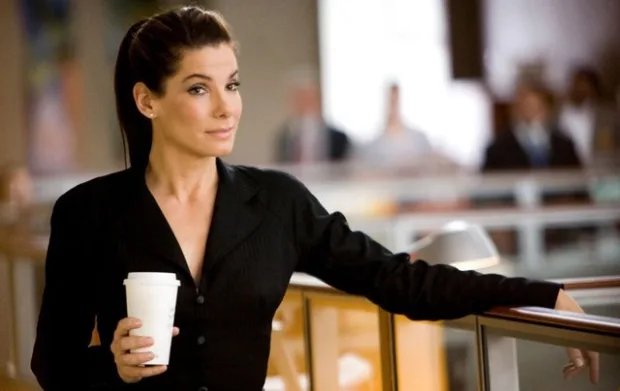
Still, our model for getting ahead in the workplace is based on men’s ways of doing things. The problem is, emulating men does not work for women. A man can communicate in a direct and impersonal manner and be praised as macho, but a female behaving in the same way would get her labeled one of the B-words. Let’s face it: men and women are not identical, and we will never be: each gender comes with its own strengths. But that doesn’t mean one sex is inferior to the other.
Women have great potential to be strong leaders. In fact, women-run companies have a higher success rate than businesses run by men. So, instead of following the man’s path, we must lead with the strengths unique to us. When a female is deemed bossy or bitchy, chances are she is reacting from a lack of recognition, respect, and self-esteem. This fear-based approach to leadership is not unique to women, but since there are so few female bosses, the ones who act this way give a bad rap to everyone else. Fair or not, we should take it as a cue to do things differently.
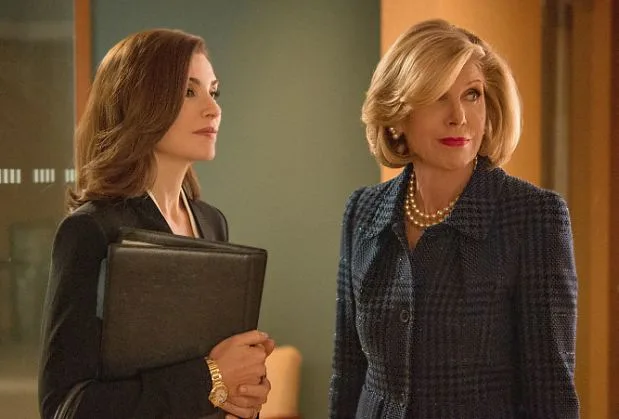
What makes a great leader? Confidence, creativity and clear communication skills. The best boss is approachable, inspires others, leads by example, and takes responsibility. These qualities are not exclusive to either sex. When women connect to their internal power and lead from a place of confidence, the bitch labels won’t be a problem.
Every day, I’m inspired by the women around me, from older women with their wealth of wisdom and their generosity to impart them, to gutsy younger women with the confidence I’m sure I never possessed when I was their age. As I take on more leadership responsibilities, I turn to these strong women for guidance. While their types are greatly underrepresented on screen, they are my role models.
Good roles for women are still hard to come by in film and TV. They do exist, and I’ll be watching for more positive portrayals of female bosses so I can count them on more than one hand.




Truth is, most approachable leaders are the ones who get disrespected. Others think it’s fine to just do that because they’re nice anyway.
You don’t need to be rude to other people just because you’re higher than them. Being a feminist is all about equality, so if you’re in a higher position, treat others with equality as well.
Media is like that because most directors are male. What do you expect?
Can’t we be just proud of these women that were able to make it into the higher levels of the workforce?
When a person is really a leader, they don’t have to forcefully assert themselves to be leaders.
These women are only doing whatever it takes in order to be respected by others. I haven’t really met any boss who was that bitchy to the point that nobody could tolerate it. But come on, we all have our bitchy moments.
Even if my boss was a bitchy female, I would rather accept that. At least some females are in that position and was able to break the glass ceiling.
When male bosses are being bossy, we call them assholes. When female bosses get bossy, we call them bitches. That’s it.
Let’s just stop calling other women names. It makes things worse.
We label women all the time with the word bitch and sometimes we don’t even care about who we’re calling like that. It doesn’t even matter if the person is actually a nice one, because the moment that woman says something we don’t agree with, she’s a bitch.