
Forget spring cleaning; it’s never too early (or too late!) to detox your home of items containing harmful chemicals. These poisons could potentially be contaminating the air you breathe and food you eat while simultaneously being marketed as safe.

Somewhere on the order of 70,000 different chemicals have been identified as toxic, and yet the FDA has banned only a fraction of a percent of those. Why? Thank the powerful industry lobbyists that make huge donations to dysfunctional American politicians. The bottom line: it’s up to us, as consumers, to educate and protect ourselves!
Don’t let corporations put your health at risk in the name of profit. Fight back by voting with your dollar!
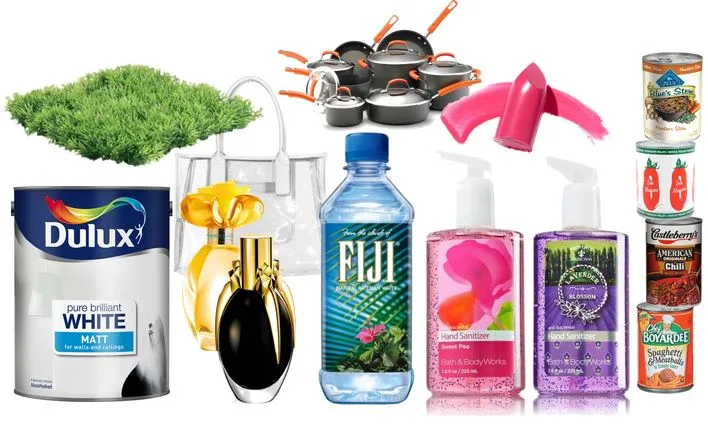
Here is a list of 10 items that you should get rid of; and if the act of throwing things away makes you want to simply give up, I’ve provided healthier alternatives to help you avoid the feeling as though you have just been robbed!
Anti-bacterial Products
The antimicrobial chemical triclosan is found in antibacterial products (soap, deodorant, toothpaste, and mouth rinses). The chemical is believed to affect hormone levels and thyroid function, in addition to harming the immune system.
On top of all that, antibacterial products have now created a new breed of super-bacteria on our bodies that is resistant to triclosan and antibiotics. Scary.
Chemical Detox Tip:
Use good old-fashioned soap and water! Studies show that the same percentage of germs is killed in comparison to using antibacterial soap. But don’t buy it at the pharmacy or grocery store — those soaps are loaded with toxic chemicals that get absorbed through your skin. Buy an organic soap at your local health food store, or try Dr. Bronner’s soap bars or liquid soap.
If you are a fan of hand-sanitizer, use one that is natural and alcohol-based and does not list the chemical Triclosan on its label.
Fragrances

Getting rid of fragrance products may be a large feat for some, but it’s totally worth the benefits!
Fragrance products are probably the most prevalent toxin in your home, including perfume, dryer sheets, candles, hairspray, lotion, sunscreen, powder, air freshener, candles, disinfectant, and the like.
Chemicals in these products can cause an array of increased health risks such as breast cancer and asthma because they are carcinogens and disruptors of the body’s endocrine and reproductive systems.
“A rose may be a rose,” reports EWG. “But that rose-like fragrance in your perfume may be something else entirely, concocted from any number of the fragrance industry’s 3,100 stock chemical ingredients, the blend of which is almost always kept hidden from the consumer.”
Chemical Detox Tip:
Purchase unscented products when possible. Use 100% Organic Essential Oils in a diffuser/vaporizer to add fragrance to your home (but be careful if you have pets — like artificial fragrances, many essential oils are highly toxic to animals).
Avoid perfume, but if you must wear perfume, spray a minimal amount of it onto your clothing, not your skin, and try not to breathe it in. Or, better yet, but one that’s natural and uses essential oils, like this one from Pacifica.
Candles
Candles can be super-toxic because by far the most common waxes used are petroleum-based (since it’s a by-product of the oil industry, it’s cheap) which releases the same toxins as diesel fuel into the air, including multiple documented carcinogens. It’s basically like running your car and breathing the exhaust indoors.
On top of that, the dyes and fragrances are usually made using cheap, toxic chemicals that you breathe in when you burn it, and the wicks are sometimes made using lead (yup, lead!)

Chemical Detox Tip:
Stop using candles that are scented with chemical fragrances and buy candles that are 100% vegetable wax (like soy wax) and scented using essential oils, and have cotton wicks. Make sure that the candles say 100% soy, as many manufacturers say that their candles are soy or “soy blend” when they’re only 5% soy. #sneaky!
To test if your wick is lead, take a piece of notebook paper and rub it at the top of the unburned wick (cut the wick if you’ve already burned it). If it makes a mark resembling that of a graphite pencil, it’s likely has lead. And if it makes black smoke, it’s toxic. Non-toxic candles produce white smoke.
Candles are also easy to make yourself, and then you can scent them however you like, and put them in containers that perfectly match your home. Here is a great DIY candle tutorial.
Your Cleaning Products
The irony is that we use chemicals to achieve cleanliness in our homes. Unfortunately, so many of these products have chemicals that are highly dangerous to humans and pets, possibly causing vomiting (just from inhaling the fumes!), hormone disruption, organ damage, cancer, skin rashes, burns and irritation.
Chemical Detox Tip:
By far the safest, least expensive and most effective cleaners are items you probably already own: you will be surprised how many uses there are for baking soda and white vinegar (they make a great drain cleaner, disinfectant, glass cleaner, etc.) Here’s how.
If you don’t want to learn about natural cleaning methods, then use cleaning products labeled as eco-friendly that contain all natural ingredients (but be careful, because these terms are not regulated, and those products could still be toxic!) It’s easier to find non-toxic cleaning products at your health food store or Whole Foods, and Seventh Generation brand is widely available.
Pesticides
You know that pesticides on your food are bad, but you may not have considered other types of pesticides.
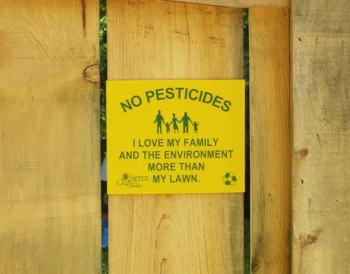
Used to eliminate weeds and insects in the yard, anti-weed products for your garden or lawn contain chemicals that are easily tracked indoors (or travel via air through your windows) and are known to cause brain damage and various forms of cancer.

Chemical Detox Tip:
Chemical-free lawn care – these remedies are numerous, it just takes a little time and effort to research and implement what they are depending on your personal needs. Check out these helpful ideas.
Cans and Plastic Bottles
Bisphenol-A, also known as BPA, is a chemical found in the lining of canned goods, processed foods, plastic containers, and other food packaging. BPA has been banned in many countries (not the U.S., yet), and has been linked to cancer, heart disease, depression, emotional detachment and much more. Many food distributors have switched to ‘BPA free’ products and packaging, but the chemical they are using instead (BPS) is proving to be just as harmful – if not more.
Read more: Is any plastic safe?

Chemical Detox Tip:
Purchase fresh, dried, or frozen foods, or foods that come in a glass or stainless steel container. Don’t purchase products packaged in a way that allows the food to touch plastic or tin. Line your plastic containers with wax paper (not tin foil, which comes with its own toxicity problems) or, better yet, buy glass food storage containers.
Water
Recent tests have shown that roughly half of the tap water across America is contaminated with lead. But it doesn’t have to have lead in it to still be bad for you. The government adds several harmful chemicals to tap water to sterilize it …and simply because the politicians are in the pockets of the chemical industry. Take fluoride, for example. It’s been proven to have no effect on teeth or gum health, and despite the fact that it causes brain damage and isn’t added to the water in Europe, it’s still in the water in America. Here’s more about all the nasty ways that fluoride messes with your health. #corruption
Think you’re safer with bottled water? Consumers of bottled water unknowingly continue to purchase water by the case to avoid common contaminants in drinking water. The problem is that the contaminants in their tap are the same contaminants found in bottled water, PLUS added chemicals that seep out of the plastic (whether it gets warm or not). Most bottled water is tap water, it’s just bottled! Let’s not even get started on the amount of waste that is generated from the packaging.

Chemical Detox Tip:
Get a water filter that has had third-party testing and doesn’t use plastic. The best above-counter one we could find was the Berkey System (make sure to buy the fluoride filters with it). Reusable stainless steel or glass bottles are also a great idea.
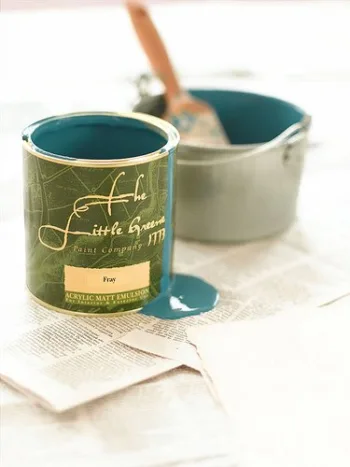
Paint
Nothing freshens and brightens a space like a fresh coat of paint; until you realize that your oil-base paint contains hundreds of chemicals and carcinogens! Oil-based paints are the worst, but even water-based paints have these nasty things called VOC’s that go into the air and into your lungs, causing cancer. Think you can protect yourself by wearing a mask while painting? Nope. These chemicals have been proven to release continuously over many years.
Chemical Detox Tip:
Don’t be discouraged and refrain from painting; in fact, this is all the more reason to cover up your old VOC-laden walls with some new non-VOC paint. Simply opt for water-based finishes that are labeled VOC-free. The bonus? You can kiss that nasty paint-smell goodbye, because VOC-free paints don’t have any scent.
Nonstick Pots & Pans
Scientists and the EPA agree that perfluorinated chemicals (PFCs) found in non-stick coatings have been repeatedly linked to cancer, thyroid disease, miscarriage, and birth defects. PFCs are also randomly found in pizza boxes, microwaveable popcorn bags, dental floss, some clothing and furniture. There have been lawsuits and industry coverups, but these terrible chemicals are still widely available in the cookware aisle thanks to corrupt politicians and chemical industry lobbyists.
As a side note, PFC’s are also found in stain-resistant clothing and carpets, fast food containers, microwave popcorn bags, and raincoats.

Chemical Detox Tip:
Avoid anything that is nonstick (except for silicone). Throw out your pots and pans and replace them with stainless steel ones with silver (no a dark color or coating) on the inside (we love this cookware set, and this baking pan). For a non-stick effect, line your baking pans with a silicone baking sheet or use organic coconut oil-based non-stick cooking spray (do not use olive oil to cook at high heat as it becomes carcinogenic). Camelina oil has a super high Omega 3 ratio (meaning it’s very healthy and anti-inflammatory) and can be safely heated at high temperatures… it also works as a great makeup remover and moisturiser! As always, make sure your oils are packaged in glass, not plastic.
Vinyl / PVC
We know plastic is not eco-friendly for many reasons, but vinyl is the worst of all plastics. The EU (European Union) and over ten other countries have banned many forms PVC (including vinyl), because it causes cancer, reproductive problems, and is an endocrine disruptor (think cancerous tumors, birth defects, and other developmental disorders).

PVC is most commonly found in flooring and toys. The chemicals in PVC have been linked to hormone disruption and eventually contaminate the air — and you! Children in homes with vinyl flooring containing PVC are nearly 90% more likely to develop bronchial obstruction and symptoms of asthma compared to children living in homes with floors that are PVC-free.
Chemical Detox Tip:

It may not be practical to rip your PVC floor out, but consider updating and investing in cork flooring, which is super sustainable and healthy. A cork floor provides a comfortable cushion underfoot because it “gives” when compressed. Cork is also a natural thermal and acoustic insulator, which means rooms with cork flooring are naturally warm and quiet. Aesthetically versatile, cork flooring is available in tiles and planks in many styles, colors and sizes. You can even get it in planks that mimic the look of wood.
If your child (or cat’s) PVC toy happens to go missing, I’m sure you can outsmart them through the purchase of a new (healthier) one!
Make sure your shower curtain isn’t vinyl. If it is, replace it with a non-toxic shower curtain.

These tips are easy to do and could save you, your pets or your family from some serious health conditions.
Bonus Tip: Air Filters & Conditioners
Watch out for air filters and air conditioners that produce negative ions. (If you smell a faint chlorine-like smell, it’s toxic.) Because ionizing air cleaners produce ozone, a byproduct that has been examined through almost a century as a harmful pollutant and a known lung irritant – you may assume that these products have long since been removed from the market. Alas, as self-regulated industry became filled with dubious products, many manufacturers and retailers continued to carry and sell air ionizers, despite the proven dangers of ozone production. In fact, many manufacturers these days often include ionizing features into their air purifiers to simply “pad” the feature list to justify the air purifier’s higher cost. There is some irony in purchasing a product that is supposed to improve your indoor air quality, but instead introduces a pollutant byproduct into your home.
Here are more of my favorite products for a healthy home:
Check out the GreenGuard Guide to Manufacturers, EWG, and ConsumerSafety.org before you buy products. They’ll tell you if the product you’re about to buy is going to off-gas toxic disease-causing chemicals into your home for years to come.
I know — it’s a minefield, and there’s a lot to remember, but it’s your health and your future that’s at stake!






Let’s be honest with ourselves and admit that if the fruits and vegetables and other ingredients are of high quality, they will be sold fresh and for the highest price possible for a maximum of profit by the distributors.
You might be an avid label reader like me but this doesn’t keep you safe from chemicals and toxins in perfume because they simply aren’t listed. There is a terrible loophole that exists to allow these companies to keep their scents a ‘trade secret’.
Eco-friendly products may seem to be more expensive, but long-term they are actually more cost-efficient. Eco-friendly products tend to last much longer. These products are typically made from recycled materials and are sturdy, withstanding most drops, kicks, and dishwashers. Eco-friendly products may have a larger sticker price, but since they last longer, it is an investment that will pay off.
There have been many studies done on Teflon in recent years, but more is needed to determine the extent of its health risks. Although I must admit we have a couple of pans like this.
We adore our teflon pans. They make cooking such a breeze!
Some believe that the plastic lining of the aluminum cans are supposed to prevent corrosion and contaminating food with aluminum. But the reality is that most of the time these plastic liners can’t completely protect food against aluminum since cans leak aluminum when heated and while they are sealed they will contaminate food.
The goal with washing is to rid the hands of the proliferation of bacteria..both good and bad. Soap may kill them, it may not, but it does lower the surface tension between them and skin…. And viola, they go down the drain. Regular soap won’t actually kill bacteria and create a natural selection where only bacteria that resist man-made substances survive. That’s where potential super bugs can proliferate.
Along with the eco-friendly benefits, there are also personal benefits that coincide with using all-natural products. Plastics, for example, are known to have BPA, lead, and other harmful chemicals that can cause many different illnesses and diseases in both children and adults. For adults, the risks include diabetes, heart disease, autoimmune diseases, and reproductive system abnormalities. For children, it can cause premature puberty, diabetes, stunted growth, and autoimmune disorders. Eco-friendly, all natural products ensure safety from all dangerous chemicals and allows families to avoid risky additives that can cause any of these issues. Using eco-friendly products improves quality of life in terms of mortality, age, diseases, and illnesses. They ensure the safety of families and the planet.
Non-stick cookware coated with Teflon, a manmade chemical, is popular in part because it’s normally very cost effective. Many consumers also choose it because they don’t have to worry about scraping baked on bits from their pots and pans. However, this non-stick coating scratches easily, releasing particles of Teflon into food. While these particles are reportedly inert and not found to pose a health risk, they should not be consumed.
When it comes to do-it-yourself projects, a fresh coat of paint can brighten your living space inexpensively and with a minimum of effort. But you want to take as much care to protect your health as you take to do a neat job. Paint fumes aren’t just unpleasant to smell, they can harm you in other ways. So before you pick up the brush and buy your paint, make sure you’re buying safe ones.
If you’re planning on giving up antibacterial soap—like Johnson & Johnson, Kaiser Permanente, and several other companies have recently done, you have a couple options. One is a non-antibiotic hand sanitizer, like Purell, which doesn’t contain any triclosan and simply kill both bacteria and viruses with good old-fashioned alcohol. Because the effectiveness of hand-washing depends on how long you wash for, a quick squirt of sanitizer might be more effective when the time is limited. Just because the label says it will fight germs, yet you wash your hands not longer than 5 seconds, then the problem lies within the hand-washing technique not the potency of the ingredients in the soap.
Alcohol has limitations and dries out your skin despite what Purell or any other company marketing would like to misinform you. Alcohol is ineffective at a number of antimicrobial agents and again is popular because it is cheap. Chlorine is without question one of the most toxic and dangerous chemicals in the household and should be removed. Similarly, it is relatively ineffective and is only used because it is cheap. It readily combines with other chemicals and produces some rather toxic fumes. There are a number of better alternatives.