
The skincare industry is full of chemical-slinging salesmen trying to pawn off pretty jars full of toxic chemicals as the next beauty miracle. They see women as suckers who they can convince to buy anything so long as they put their cheap chemical fillers in attractive bottles and get teenage supermodels to advertise them. Their ads build up and then prey upon insecurities in women — and it works.

The promise of beautiful, glowing and ageless skin is so intoxicating that a lot of women worldwide are willing to put rational thought aside in the vain hope that they may look a bit more like that teenage supermodel, and therefore have more value as a woman. After all, the message being sent is simple: a woman’s sexual value is her only intrinsic value (yet another reason why we need feminism!)
Here’s where the buck stops: Chemicals can’t permanently reverse aging. The best they can do is irritate the deeper layers of your skin so you get a temporary smoothing effect. As you may guess, this is temporary and not at all good for your skin in the long run. The only thing that can actually affect skin cells in an anti-aging way is plants and a healthy lifestyle. The true anti-agers don’t come in fancy $50 jars. They are: organic essential oils, a plant-based and low-glycemic diet, avoiding the sun, and regular exercise.
Research has shown that while none of the popular drugstore or department-store skincare products are able to deliver on any of their anti-aging promises, what’s certain is that they can be very harmful in the long run. Sure, short-term ill effects might include rashes and allergies, which you can immediately address. However, there are certain ingredients and contaminants in skincare products that manufacturers fail to tell us about — and most of them cause us to exhibit ill effects that don’t manifest until after years or decades of use, or when there’s no turning back.
In fact, there are thousands of chemicals in your products, most of which are being absorbed into your body. These companies have cart blanche to use any ingredient or raw material without government review or approval. That’s why it’s so important to always check your products in the Cosmetics Database and the GoodGuide, both of which rate beauty and consumer products based on toxicity.
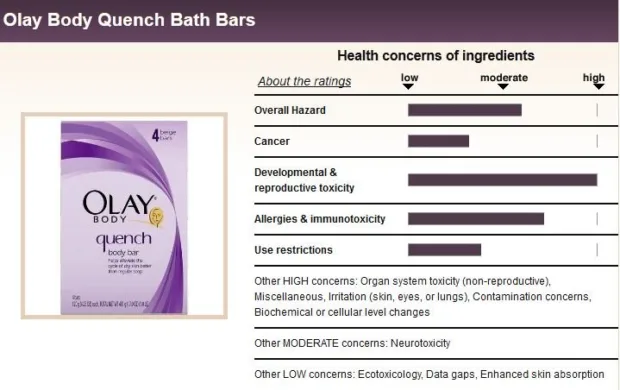
This industry is highly unregulated. There is no pre-product approval before a product hits the market and enters your home. Since the FDA’s inception in 1930, the FDA has only banned 11 cosmetics ingredients. In contrast, in the same amount of time, the European Union has banned 1378 cosmetics ingredients. Many of the synthetic chemicals in your products are skin irritants, skin penetrators, endocrine disruptors and are carcinogenic.

Here’s an enlightening (and very share-worthy) short video about how the skincare industry works:

Here are a few of the most common and harmful types of ingredients you should watch out for the next time you snap a skincare product off the shelves. This is by no means a complete list, as 80% of ingredients in consumer products (cosmetics, skincare, cleaning) remain untested, and the complete list of proven toxic ingredients that are in your products (yes, yours!) is much, much longer. Watch out for these ingredients with every skincare product you consider and, remember, don’t be fooled by high price tags. Higher price tags don’t usually mean higher quality – just more marketing.
Hormone Disruptors
Dibutyl Phthalate, also called DBP or butyl ester, is a very common ingredient in skincare products whose function is to help the skin absorb the products better and achieve desired results faster. What is alarming, however, is that DBP has been classified by the US Environmental Protection Agency as a probable human carcinogen, meaning, it can cause cancer. It has also been shown to lower sperm count in men, and cause unborn males to have smaller penis’ and other testicular issues. The health problems resulting from DBP-containing products was raised years ago, but most skincare products in department stores still contain this ingredient, unlisted on the label. It’s illegal in virtually every modern country except the USA.
Foaming Agents
Washing your face with what could be an industrial degreaser could lead to more harm than good, so it’s best to read the fine print and labels before getting sold on a product. Sodium Lauryl Sulphate is the main ingredient in most facial washes, as its effect is to strip the layer of oil off the skin to make it look “fresh and clean.” What many don’t know, however, is that sodium lauryl sulfate is also the main ingredient in garage floor cleaners and other degreasing agents. Sure, it can get rid of that oil layer, but it leaves the skin vulnerable, pitted and rough. Take note that the skin needs a considerable layer of oil to stay nourished and healthy.

Cocoamide, also called diethylalomine, is what makes moisturizers and shampoos bubble. While bubbling looks and feels nice, studies have shown that DEA blocks your body’s natural choline absorption, which is necessary for proper brain development and function. It can also lead to skin breakouts, rashes and allergies in the short term. In the long term, the consequences are likely to be far more serious.
Synthetic Perfumes
Sometimes, it is the bad things that are disguised in nice-smelling packages. Just because your facial wash or lotion smells wonderful, it doesn’t always mean your body is rejoicing in it. Synthetic or chemical-based perfumes are high in aldehydes (air pollutants) and benzene derivatives, which can lead to dizziness, headaches and other similar toxic reactions. Skincare manufacturers often take to synthetic perfumes because the cost of making natural-based fragrances is high, thereby allowing them to sell their products cheap.
On top of it, the word “Fragrance” on an ingredients label is deemed a “trade secret”, and therefore companies don’t have to disclose the contents of this concoction. Many companies hide the most harmful ingredients under the cloak of “Fragrance”.
Preservatives
Your mainstream skincare products almost certainly contain parabens and other nasty preservatives. Parabens possess estrogen-mimicking properties that are associated with increased risk of breast cancer. These chemicals are absorbed through the skin and have been identified in biopsy samples from breast tumors.
Many other preservative chemicals, like methylisothiazolinone, are actually banned in Europe from being included in leave-in products – like the cream you keep on your face all day, but are still allowed in products sold in the USA. Another red flag for this nasty chemical is that, in lab tests, brain cells were altered after regular application, signifying that this ingredient is likely a neurotoxin!
Petrochemicals & Other Nasty / Toxic Chemicals
Mainstream skincare products contain many petroleum-based ingredients …and for some reason we all thought that was okay. However, research has shown that using products that contain petrochemicals can result in kidney problems, nerve and brain damage and cancer in the long run. They say beauty is pain, but they probably didn’t mean like this!
There are so many toxic chemicals in skincare and cosmetics nowadays that it would seriously take a university course to get up to speed.
The Solution
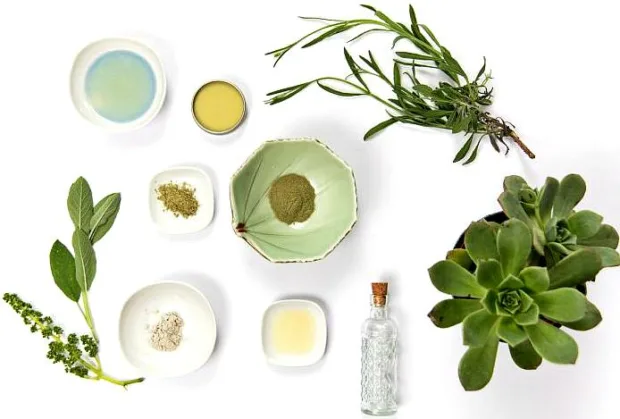
I never shop at drugstores or department stores — only at organic-focused health food stores. I use the simplest organic products I can (here’s my Pinterest board with natural beauty brands), and I make a lot of my own skincare creams and oils myself. I take my makeup off with 100% organic coconut oil and I make my own oil or shea butter + essential oil face and body creams (it’s easy!). I use Raspberry Cider Vinegar (it’s like Apple Cider Vinegar, but smells better) as a toner and skin probiotic. I use natural soaps like Dr. Bronner’s bar soap for my hands and body. I stick to organic products with as few ingredients as possible – and only ingredients I understand.
Wondering if you should toss the products in your cabinet? Check the ingredients in the Cosmetics Database (aka. Skin Deep / EWG) and the GoodGuide, both of which rate beauty and consumer products based on toxicity. Skin Deep and GoodGuide both have apps you can download on your phone, to scan a barcode for fast checking in-store. GoodGuide also has an Internet browser toolbar that slides up from the bottom of your window, to subtly warn you when you’re shopping for a potentially toxic / harmful product (based on selected criteria you care about), and suggests similar options you might like that fit your criteria better.
The best part? The natural glow that comes from a combination of natural products coupled with serenity in knowing that you’re not poisoning your body.
Let’s face it, we all grow old and, frankly, the true secret to beauty inside and out is happiness, contentment and a positive attitude. It sounds cheesy, but it’s a genuine smile, along with a healthy body and outlook that will ensure we live beyond the life expectancy statistics — while aging gracefully.
Read more about toxins in products you use:






I am sure even after reading this article no girl is gonna stop using make-up. It’s an addiction.
cosmetics companies have done a superb job of exploiting female insecurity and connecting self-confidence to product consumption. I mean, when they can convince millions of women to rub that chemicals on their face to look good which is actually not doing any good for their health. I think brainwashing can confidently be declared complete.
This is so scary when you really want to use cosmetics.?❌❌
This article is pretty scary and a wakeup call. I just became well aware of how important it is to use organic products for the body. I am excited and passionate about living a 100% chemical free and organic lifestyle even though cancer is in my family. God bless the article is a big wake up call.?
Scary!?? thank god, I try to use organic as much as possible. It’s interesting that the health department is trying to protect us from all kind of things, but still these toxic products are legal.
Just eat healthy. Have a healthy lifestyle and not only will you look youthful, you’ll also increase your lifespan.
It’s safer to just eat healthy than use chemicals all over your body that can result to health issues in the future.
I’m confused about this issue on parabens. Among this beauty community group that I’m in, they provided studies that proves parabens aren’t exactly as toxic as we think it is. Now this post says it’s the other way around. It’s honestly confusing to decode which is actually toxic for us. Ingredients would always be derived somewhere and chemicals will always be chemicals. It’s there for a purpose, especially those preservatives. You wouldn’t want to use cosmetics that will expire in a week or so just because they didn’t put anything to preserve the ingredients. Right?
I’ve come to terms that I’m not going to get younger or look younger than my age. The thing with cosmetics (and why I can’t just stop using it) is that the moment I try to go on cosmetic detox, my skin starts to flare up with acne, it becomes dry without my moisturizers and all that. My skin worsens whenever I try to stop. And I don’t want to ever go back to having horrible skin.?
I experience the same thing. I understand that it’s toxic (some of it) but the fact that in my journey of using my skin care at the moment has made my skin so much better, you can’t just expect me to stop.
The perfume industry requires that we feel inadequate. Airbrushed photographs of the impossibly thin and beautiful are used to sell us products that will never change who we are.
I agree with what you just said. And it’s sad…
Being healthy will always help you look young. You’ll feel young too. Stop eating unhealthy food loaded with preservatives and all that crap. You don’t need cosmetics.