
Looking at pictures of Jenny Brown today, I see a beaming woman who positively radiates her joie de vivre. It’s surprising then to learn that she hasn’t always had an easy go at it. As a child, Jenny underwent a leg amputation. At the time, this left her feeling out of control. But it also fostered the growth of what would become an incredible amount of compassion and forward thinking about animals, and all living beings. A strong advocate for veganism and animal welfare, Jenny is the co-founder (along with her husband, Doug), of the Woodstock Farm Animal Sanctuary as well as the author of “The Lucky Ones: My Passionate Fight For Farm Animals.”
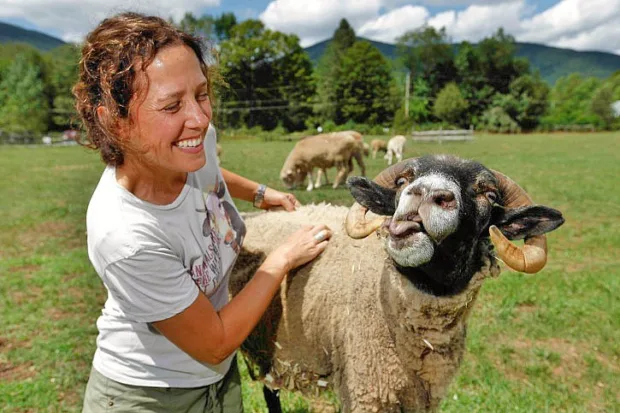
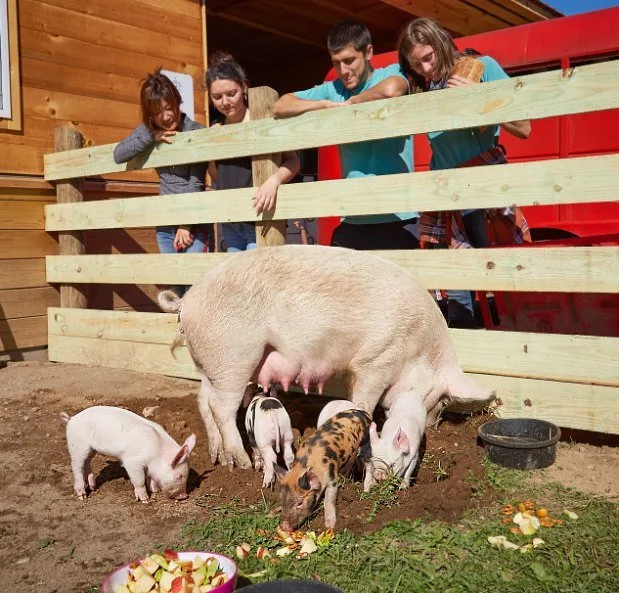
After witnessing animal cruelty firsthand as an adult, Jenny decided to leave the film industry to work at a sanctuary in Watkins Glen, NY. Founding her own sanctuary was the next logical step. Today, WFAS is home to many rescued cows, rabbits, turkeys, chickens, pigs, ducks, goats and sheep, all of whom would have been otherwise bound for the slaughterhouse or left to die. WFAS serves both as a place of refuge for animals and a place to teach about animal welfare. Here’s a quick, touching video about the adorable animals that WFAS has saved:
Here, Jenny gives Urbanette the scoop on the truth behind your “happy meat,” and the many benefits of living a vegan lifestyle:
Urbanette Magazine: A pivotal point for you was filming undercover at livestock auctions/stockyards. What was that experience like? Did you have a pretty good idea of what you would see or did it come as a shock?
Jenny Brown: I had a pretty good idea of what I might see but actually seeing it was traumatic. Not being able to do anything to help them was even worse. They are open to the public for buying and selling animals including bidding on the ones who are forced into the auction ring but filming/photographing will get you kicked out and your equipment confiscated.
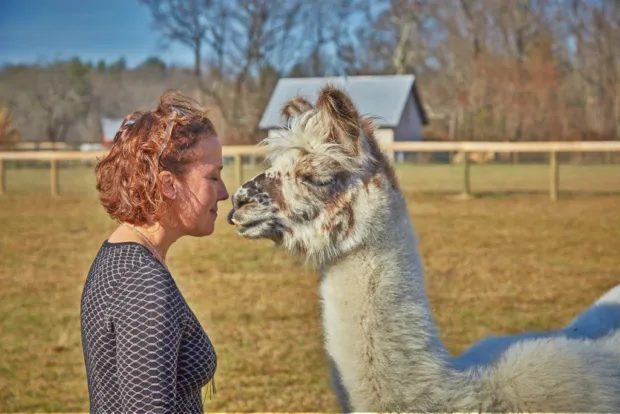
Urbanette: You mention some gnarly examples of animal cruelty on your website, including the practice of castrating goats without anesthesia. Why do such practices take place? Is it a cost issue?
Jenny: Mutilations occur on every level — on factory farms and small farms alike. It’s too expensive and time-consuming to anesthetize them or provide pain relief. All goats, sheep, cattle, and other animals are castrated, dehorned, and/or tail-docked without pain killers as “standard farming practices.” And again, this is not only on animals languishing in factory farms. This occurs on organic, free-range, grass-fed or whatever “humane” farm they are raised on. [Learn more here.]
If the same were done to dogs and cats there would be animal cruelty charges, but sadly the same standards do not apply to animals considered “livestock,” which is a deplorable term. Cattle are also branded in the face or elsewhere on the body causing severe 3rd-degree burns. It’s all unethical. And turkeys and chickens have their beaks seared off, and turkeys have their toes cut off, too.
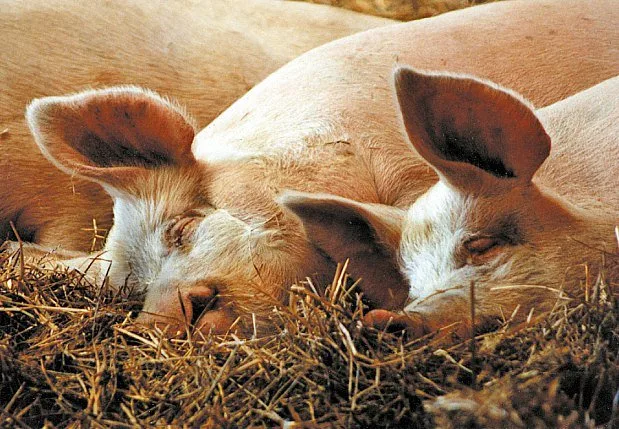
Urbanette: That is pretty horrific. I think you’re right that as a society we’ve made a distinction between animals that are pets and animals that are livestock, and with that has come an imbalanced set of rules about how each is to be treated. I was going to ask about your perspective on organic and certified humane animal products, but it sounds like a lot of harmful things happen on those farms, too. Could you expand on that a bit?
Jenny: We’re a society that shakes our fists at the Asian countries who eat cats and dogs, yet we eat other animals who are just as capable of thinking, feeling and suffering. It’s just that we’re indoctrinated to put farmed animals into a different category and argue that “that’s what they’re here for.” We shouldn’t base our compassion on intelligence, but if we did, then we should be eating dogs over pigs because pigs are smarter.
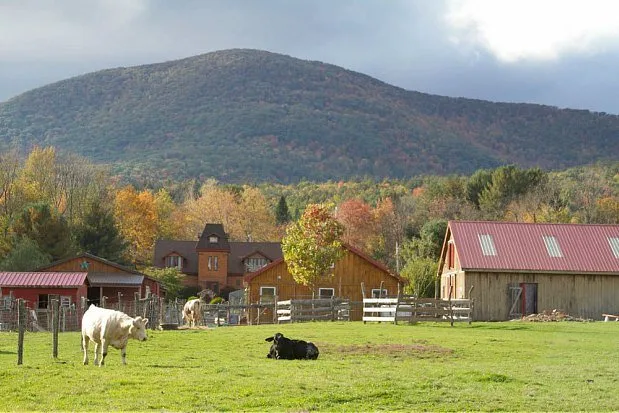
Regarding “happy meat,” there is a growing trend with conscious consumers to purchase animal products that are advertised as being raised humanely. I will quote from what I have written on our website first: The very existence of labels like “free-range,” “cage-free,” and “humane certified,” attests to society’s growing concern for the welfare of animals raised for food. But any time consumers of meat, eggs or dairy advocate for “humane” treatment of farm animals, they confront an unavoidable paradox: the movement to treat farm animals better is based on the idea that it is wrong to subject them to unnecessary harm. Yet killing animals we have no need to eat constitutes the ultimate act of unnecessary harm.
We owned slaves for most of human civilization, but did that make it right?
Organic is the only governed label besides “humane certified.” Grass-fed, free-range, cage-free labels are self-governing and not certified by an overseeing body, so they can freely make these claims, regardless of the actual conditions the animals are kept in.
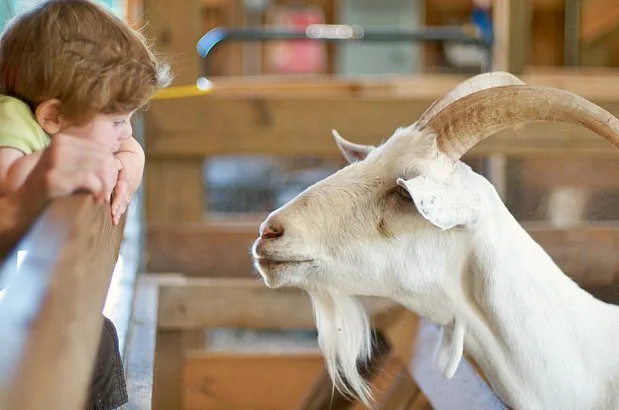
In the case of dairy, there is nothing humane about forcibly impregnating cows, stealing their babies at birth (or within 48 hours tops), hooking her breasts up to cold metal machines several times a day for months and months while you re-impregnate her and start the cycle all over again until she reaches the age of 4-5 when she is considered “spent” and slaughtered for ground beef, AKA hamburgers. Cows cry the most heartbreaking bellows when their calves are taken away. It is incredibly stressful to them, as it is to the calves. The male calves are killed at birth or raised in crates for veal, as they are not the same breeds that are used for beef. I could give you many more examples of why these labels are bogus and used as propaganda to make consumers feel less guilty about their food choices.
More climate change is caused by the meat industry than by all the cars, planes, trains, and other forms of transport combined.
The moral argument against consuming animal products is that their embryos, breast milk, and lives, are not ours to take. Our self-appointed dominion over all the other beings who share the earth with us is an archaic and immoral way of thinking. To use the excuse that we’ve always eaten animals is not a good reason to keep doing so. We owned slaves for most of human civilization, but did that make it right?
Urbanette: Wow. That is shocking. And frightening. So clearly consuming animals does harm to the animals themselves, but what about the impact on the environment?
Jenny: Farming animals is incredibly inefficient and wasteful. It takes 2,500 gallons of water, 16 pounds of grain or soy, 35 pounds of topsoil and the energy equivalent of one gallon of gasoline to produce one pound of feedlot beef. Half the world’s grain crop is fed to animals raised for food, while an estimated 1 billion people are malnourished, and 6 million children starve to death every year. The latest report from the UN’s Food and Agricultural Organization (FAO), “Tackling Climate Change Through Livestock,” confirmed that more global climate change is caused by the meat industry than by all the cars, planes, trains, and other forms of transport combined.
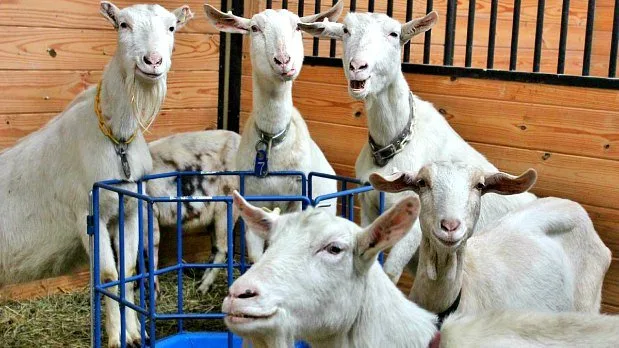
Urbanette: You make a compelling argument. Something that really stuck out to me on your website is that there’s a misconception that we need to eat animals to get certain nutrients, yet these animals get said nutrients from (drum roll please), plants! Could you give us some examples of this?
Jenny: Take fish—they get their omega-3’s by eating seaweed. We could get our omega-3’s directly from seaweed, which I do every day! That’s just one example.
Urbanette: Wow, I had no idea. I suppose you can also get omega-3’s from things like flax seeds.
Jenny: Absolutely! There’s more about this on our website.
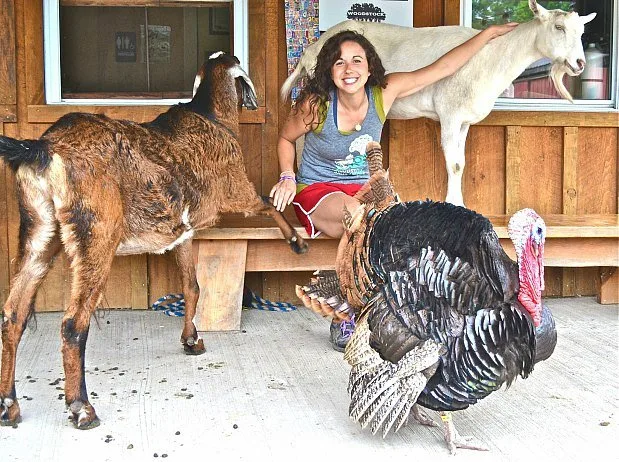
“If the same were done to dogs and cats there would be animal cruelty charges…”
Urbanette: How does eating only plants affect human health?
Jenny: There is a huge body of scientific evidence that irrefutably demonstrates the power of plant-based/vegan diets for preventing, managing and even reversing some of the most serious diseases, including heart disease, diabetes and some cancers. The ADA has been clear in stating that vegetarians have consistently lower rates of heart disease, diabetes, high blood pressure, cancer and obesity than meat-eaters. Bam! Even the UN has called for a global shift to a vegan diet as the most effective way to combat climate change, world hunger, and environmental devastation.
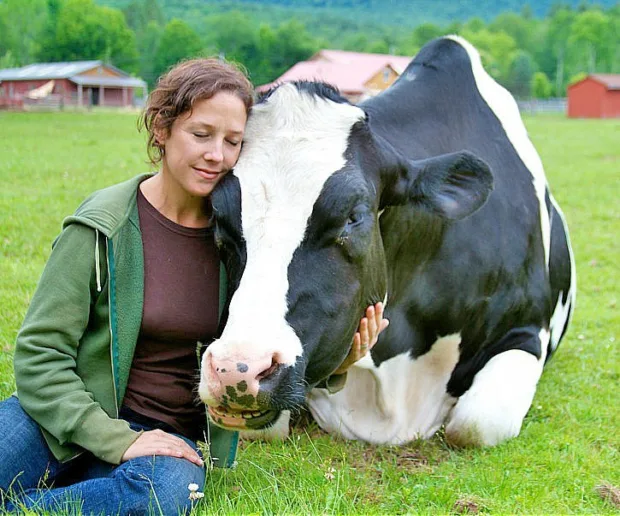
We’re a society that shakes our fists at the Asian countries who eat cats and dogs, yet we eat other animals who are just as capable of thinking, feeling and suffering.
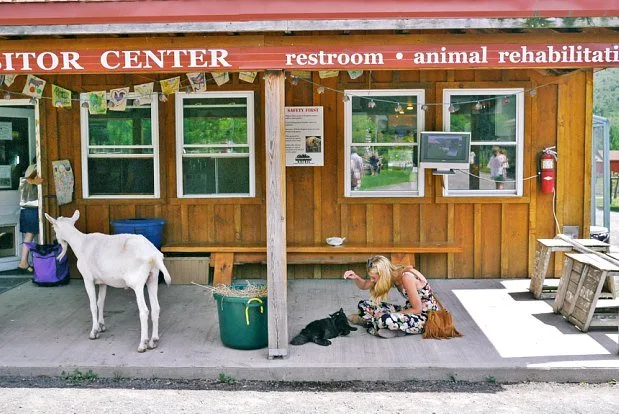
Urbanette: Got it. Okay, this one is just for fun. Your cat, Pogo, has quite a picture on your website. Actually, there’s a whole string of pictures of him in dramatic poses. He looks like quite the character! Is he as fierce as he looks?
Jenny: He is the sweetest kitty who has lived here for many years. He roams the sanctuary meowing and purring, seeking attention from anyone with two hands (or one would work too!). He climbs on laps, follows tours, invites himself on top of picnic tables while people are eating lunch (vegan-only here!), and can be found sleeping with goats or sheep. Everyone loves him and we have no idea why he is missing his tail.
Urbanette: I love it. Finally, how can our readers get involved?
Jenny: Great question! They can visit us online, donate online, by mail or by phone (we’re a charitable organization), volunteer any day of the year, sponsor an animal as a gift for themselves, or visit us during our open season (April-October). But most importantly, moving away from animal products is the most compassionate, healthy, environmentally conscious, responsible and sustainable thing they can do.
Read more: 5 Reasons I Love Being a Vegan and Michelle Pfeiffer Tells Us About the Benefits of Being Vegan and WFAS’ How To Go Vegan and this The NY Times article, which states:
“…the animals sent through those factories often endure an unimaginable amount of mistreatment and abuse. Cows too sick to walk are dragged by the neck across cement floors. Pigs are stabbed and beaten with sledgehammers. Chickens are thrown against walls and stomped to death. And accepted industry practices, like confining animals in impossibly small cages, are just as brutal…”
99% of meat sold in America come from factory farms. Yet every day, more and more Americans start to question the suffering of factory farmed animals. And the great news is, it’s never too late to make a difference. Discover how to take back your power, and make truly informed choices that are in line with your own values. Find it here, in a free and easy download.



I personally am not very concerned of what I am eating, but if I were to think about this subject more I do feel bad that the meat I eat came from an animal. Animals have emotions and I am sure they wouldn’t want to live in a bad condition, and die to feed the greedy human appetites.. I will definitely check the vegan starter kit. Thank you for showing me a perspective I never saw before.
These poor animals are forced to live a horrible life and are being slaughtered just to give humans “better” meat. I believe that this is unfair because these held animals have to suffer. Let’s spread the word and create awareness!
In the meat industry, many farm animals are being treated inhumanly in order to create a more efficient meat process. Farm animals should absolutely have more legal protections to protect them from these inhuman environments and conditions. We should teach the new generations not to eat animals and to treat them just like they would treat their pet cat or dog or hamster.
Love this one dear sister. Beautiful and vulnerable wisdom from a woman who has done a lot of work on animals and on herself. Animals are so loyal unlike a lot of humans. Agree! Farm animals are tortured before they come out to be killed by the matador, it is a horrible abuse of animals. Thank you for a radical and honest filled description of your love for farm animals.
I applaused this interview!!! Farm animals should not be excluded because they are used as a human food resource. Animals are living creatures, they live and breathe and feel pain the same way humans do. While it’s fair to pass acts protecting domestic animals, it is unfair to disclude farm animals.
People treat farm animals as if they are inferior to pets. They treat all animals poorly, generally, but all animals should be equal and all should be treated well, and let live. Why eat them?!
Yes, I think that animals should have more legal protections because “non-human animals deserve a personhood.” Also many farm animals are dying from force reproduction, the usual pig has eight piglets, but since they changed the genetics of the pig, they have up to fourteen piglets now. Cows now have twins and triplets who are usually deformed after birth and usually die. Easy care sheep give birth in open fields and most of the newborns are killed from the weather, starvation or being eaten by predators. This is a cruel way for the farm animals to die like this. Lastly, chickens and many other animals are becoming too big for their legs to support and hold up their body. As a result to this many of the farm animals are breaking their legs are getting seriously injured. In conclusion farm animals should have legal rights to a certain extent.
Farm animals from chickens to cows are getting tortured everyday of their lives and it needs to be put to a stop. Many are injected with growth hormones and some chickens can’t even hold up their own bodies without falling over. Also many pigs are being given reproductive hormones do they produce up to 14 piglets from their original 8 piglets. Some cows are also given hormones that make them produce twins or triplets and most of them die at birth or before aging to 1 year. These hormones and injections are supposed to help to give more food but it doesn’t even do that because many of the children die at birth leading to population declines or unhealthy meat. Farm animals also face pain, illness, and premature deaths so humans need to cut down on meat or give the animals more legal rights because they have feelings and are living things just like us so they should be treated better in order to help humans and farm animals fare better. Lastly, farm animals like lambs are being birthed in open un-gated pastures so right after they give birth they are slaughtered at the feet of their predators. Society is changing and our needs are growing but people still need to have some conscience in order to help everyone and all animals live happy lives.
I think we should have animal research rights to protect these farm animals because farm animals are still living things and can feel pain. People do not notice but there a lot of farm animals that are also really smart.
A+++ interview!! Well done!
I’m not a vegan nor a vegetarian, but this interview really opened my eyes although I was previously unaware of this matter, after reading this article, I felt responsible to be more cognisant about where my meat comes from. I will try, from now on, to cut meat, and go vegetarian, if not vegan.
Thank you!