Did you know that 80% of the food and drinks you consume have chemicals added to make them addictive and/or to mask off, sour or tinny flavors? Yeah, it’s true. And they cause brain damage. Seriously. From sushi to soda, butter to burgers, you’re eating a lot of this stuff daily. Don’t you think it’s time you know what you’re eating?
Ironically, artificial sweeteners cause an increased appetite. That seems a bit contradictory for weight loss products.
Food additives are anything that is put in or on something, for whatever reason, that was not there when the food or drink was in its natural state. Countless different types of colors, taste enhancers, stabilizers, preservatives, and other chemicals are used in and on the food and drinks that you buy in grocery stores and in restaurants.
The two most commonly used food additives are artificial sweeteners, especially aspartame, and monosodium glutamate (aka. MSG). These two also seem to cause the most disturbing physical symptoms or reactions.
Major Toxin #1: Artificial Sweeteners (Aspartame)
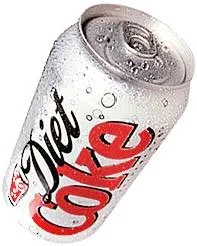
Thousands of food and drinks, especially diet products, contain artificial sweeteners.
They are identified by many different names such as NutraSweet, Equal, Sweet and Low, Sunette, and others. This disguises their real names such as Aspartame, Saccharin, Cyclamate, Acessulfame-K, and others.
After being introduced, with much fanfare, Saccharin lost favor when, in 1970, it was found to cause cancer in laboratory animals. Interestingly, it remains on the market to this day, and the FDA loosened regulations in the year 2000 and no longer requires labeling for Saccharin.
Aspartame accounts for over 75% of the adverse reactions to food additives reported to the FDA.
Today, Aspartame seems to be the primary artificial sweetener. It is used in most diet soda and flavored drinks. In addition, it is the sweetener of choice in many packaged food products, medications, supplements, and other items for human consumption. It is the NutraSweet, Equal, and Spoonful you find in most restaurant and grocery stores.
One 12-ounce can of an aspartame-sweetened soft drink contains about 30 milligrams (mg) of methanol. With this artificial sweetener found in over 80,000 products today, an individual can quite easily exceed 100 mg daily, thirteen times the maximum limit recommended by the EPA.
Your body isn’t able to detoxify the methanol in Aspartame. What your body does with it, is it converts it to formaldehyde and then into formic acid. These are both toxic metabolites. The result is metabolic acidosis. Also, the aspartic acid, as well as the phenylalanine, cause other problems specific to themselves.
Methanol is a deadly metabolic poison. One of the reasons methanol is so toxic is because the body lacks the necessary enzymes to detoxify it.
Aspartame has also been repeatedly connected to, and may trigger or mimic the following conditions:
Almost everyone has heard of MSG. Many know of it as related to Chinese Food Syndrome. It is not known for sure if the problems associated with MSG are caused or aggravated by eating things with MSG in them. Reactions to MSG are dose-related. In other words, some people react to even very small amounts. Reactions can occur immediately or even up to two days later.
MSG is not an allergen. It is a neuro-toxin or nerve poison. Your body reacts to it as it would to a drug. It is harmful to everyone.
MSG is a flavor enhancer that food companies learned could mask bitterness, off-flavors, sourness, fishy tastes (it’s in your sushi!) and the tinny taste of canned foods.
This is why it is concealed under as many as 50 different names on the labels of so many food and drinks, as well as in other products such as medications and food supplements.
On top of all these, both Aspartame and MSG are proven to increase appetite and it has also been shown that people consuming a lot of these chemicals gain weight faster than those not consuming these chemicals.
In the wild, rats and mice don’t get fat. When they are full they stop … It is a given in research that if you need a fat-rat then you give it MSG.
If you choose to try to avoid MSG, you may find it exceptionally difficult to do so. It is said to be added to over 80% of commercially processed foods, including an extremely wide variety of commercial products.
The problem with trying to avoid MSG is that labels frequently do not specify MSG exactly, nor do they say how much MSG is in a particular product. Even more frustrating is not knowing how much MSG is being produced in a product during processing and/or during manufacture.
The following ingredients and/or products always contain MSG:
Hydrolyzed protein (any protein that is hydrolyzed)
Textured protein
Glutamate
Monopotassium glutamate
Glutamic acid
Calcium and Sodium caseinate
Yeast extract and Yeast food
Autolyzed yeast
Yeast nutrient
Gelatin
Accent and Zest
Glutavene
Glutacyl
RL-50
Also, these products and/or additives often contain MSG or it is created during processing or manufacturing:
Malt extract and flavoring
Barley malt
Tamari
Natural flavor(s) and natural flavoring(s) such as pork, beef, chicken, etc.
Bouillon
Soy sauce and extract
Soy protein isolate and concentrate
Seasonings (the word seasoning)
Broth and Stock
Whey protein isolate, and concentrate
Milk solids in low fat milk products
Spices (sometimes)
Protease enzymes and enzymes (depending upon the source)
Mei-Jing ans Wei-Jing
Ajinomoto
Anything protein fortified, enzyme fortified, ultra-pasteurized, or fermented
Carrageenan
Maltodextrin
Kombu extract
Subu
Worcestershire sauce
Pectin
In addition, two food additives that are used to enhance the effects of MSG are disodium guanylate and disodium inosinate. If these are present, so is MSG.
Once you stop ingesting chemicals that have been causing you problems, you become much more aware of, and sensitive to, what you can eat, drink, and put on or into your body. Pay attention to your body and eliminate anything that causes you symptoms, whether it is mentioned here or not.
Remember, the more of your food that you make from scratch, with fresh ingredients, the less likely it will be to contain MSG.
How To Identify MSG in Your Food, Drinks and Other Products:
Even products that say no MSG added are not necessarily free of MSG. Most meals served in restaurants across America contain MSG. Delicatessen and smoked meat products as well as sausages and luncheon meats usually contain MSG. Canned gravies, chili, stews, and sauces contain large amounts of MSG. Processed or dried foods with “flavor packets” usually contain MSG. These are often found in boxed rice, pasta, powdered salad dressing mixes, and dried soups.
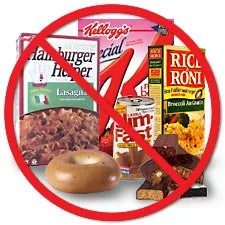
Most commercial salad dressings, soups, meat stocks, dairy products, sauces, seasoning mixtures, frozen foods, teas, and convenience foods contain some form of MSG. It is also found in mayonnaise, ketchup, mustard, and in most packaged and canned foods, including diet foods, desserts, ice cream, and cakes.
When you see “Natural Flavors” on an ingredient list, keep in mind that it’s a way of hiding MSG, and will actually contain about 40% MSG.
Reactions to MSG can occur with soaps, shampoos, hair conditioners, and cosmetics. Check for “hydrolyzed” and “amino acids” ingredients. Strangely, MSG-type reactions can occur to the aspartic acid found in Aspartame. Some medications (including children’s medicines), drinks, candy, and chewing gum are potential sources of hidden MSG and Aspartame. Other sources of hidden MSG are the binders and fillers used in medications, nutrients and supplements (prescription and non-prescription).
If it says sugar-free, do not even consider it! It almost certainly contains artificial sweeteners.
Things You Can Do to Minimize Your Exposure to Harmful Additives:
Read labels! Read labels! Read labels! Get into the habit of thoroughly reading the labels of anything and everything that you, or someone you love, intend to eat, drink, take, or put on their skin, hair, or nails. Always ask your pharmacist about the ingredients that are in the products you or a loved one are going to take.
For MSG, minimize and/or avoid manufactured, processed, and fermented food. Replace them with natural, unprocessed, unfermented food whenever possible.
As for artificial sweeteners, you should avoid artificially sweetened food, drinks, medications, supplements, or anything made with them. Even something sweetened with white sugar is better for you than something artificially sweetened. Better yet, you should use natural sweeteners, if sweetening is necessary (like Agave).
Only eat food products that are labeled 100% organic. Go vegan.
Make your own skin care products – it’s easier than you think.
And above all, don’t give up. You and your health are worth the effort!
A writer, artist, and designer since she was young enough to put pencil to paper, Hilary taught herself code and created Urbanette when she was a teenager. Currently, she lives in Monte Carlo, but spent the past decade living in NYC, still considers herself a New Yorker, and visits regularly. She's always traveling, looking for hot new topics, destinations, and life hacks to bring to Urbanette readers.
Thank you urbanette for inspiring people to live a better and a healthy life. I always look up to reading your article they are always very informative and educational.
I don’t trust the FDA to properly regulate anything at all… I keep most of our food and household items very simple, even cosmetics. Technology has been very helpful and innovative, but sometimes they end up harming everything around us instead of advancing for the better. Almost anything that the FDA approves still contains harmful ingredients that they claim to be safe, but has longterm effects. Sometimes, it’s best to read the label and do your own research. Trust your judgment instead. However, since the FDA doesn’t always allow companies to put all the ingredients, that’s not always good enough.
Think of something that humans have been eating long before modern society. Instead of chips or popcorn get almonds, raisins, strawberries, natural peanut butter, bananas, walnuts, and pecans. Basically look at the ingredients of whatever you’re buying. If there is a lot of crap that you can’t pronounce don’t buy it.
That is contradicting! Diet supplements even promote that they use artificial sweeteners. Yet it’s hunger-inducing? That’s so weird!! If you really want to lose weight, just exercise and eat healthy! Nothing beats natural weight loss ways… Not only that but there’s a lot of negative effects that come along with these supplements and it’s better to be safe than sorry. Even those laxative supplements that claim to detox your body are such unnatural and unsafe ways to lose weight. It may sound easier and quicker but it messes up with your normal body functions.?
We use cookies to ensure that we give you the best experience on our website. If you continue to use this site we will assume that you are happy with it.Ok














Thank you urbanette for inspiring people to live a better and a healthy life. I always look up to reading your article they are always very informative and educational.
I don’t trust the FDA to properly regulate anything at all… I keep most of our food and household items very simple, even cosmetics. Technology has been very helpful and innovative, but sometimes they end up harming everything around us instead of advancing for the better. Almost anything that the FDA approves still contains harmful ingredients that they claim to be safe, but has longterm effects. Sometimes, it’s best to read the label and do your own research. Trust your judgment instead. However, since the FDA doesn’t always allow companies to put all the ingredients, that’s not always good enough.
Think of something that humans have been eating long before modern society. Instead of chips or popcorn get almonds, raisins, strawberries, natural peanut butter, bananas, walnuts, and pecans. Basically look at the ingredients of whatever you’re buying. If there is a lot of crap that you can’t pronounce don’t buy it.
Ajinomoto is such a common MSG. We avoid using that at all costs. Keep food natural!
Canned goods usually have high content of MSG and preservatives and my body hates them. I get allergies just by consuming them so I never tried again.
I think the whole world is screwed. The air, the water, ground, and ocean and now even the food we eat is also polluted.
Thank you for this useful piece of information. It is so important to know the facts in this day of bio-engineering and chemically tempered food.
That is contradicting! Diet supplements even promote that they use artificial sweeteners. Yet it’s hunger-inducing? That’s so weird!! If you really want to lose weight, just exercise and eat healthy! Nothing beats natural weight loss ways… Not only that but there’s a lot of negative effects that come along with these supplements and it’s better to be safe than sorry. Even those laxative supplements that claim to detox your body are such unnatural and unsafe ways to lose weight. It may sound easier and quicker but it messes up with your normal body functions.?
I agree with this 100%. I used to take those supplements but I had a friend who had colon cancer from it and I stopped.
It really is better to just prepare food from scratch. It’s a lot of work but always ordering for food delivery isn’t healthy at all.
Awesome!! informative article. Keep posting such videos.