
Note: This article was created before we went completely vegan. Nowadays, I don’t eat anything that came from a creature that feels pain, which rules out shellfish, meat, and dairy.
Years ago, I spent a few days at a friend’s apartment in Paris, and –luckily for me– they’d just returned from a weekend in Belgium. They’d brought back a selection of chocolates, and offered me a few pieces. That chocolate was the best I’d ever tasted, and I never forgot it. As the saying goes, in Paris the pastime is shopping. In Belgium the pastime is eating and drinking — gourmet, of course. They have a culture of enjoying good food, and it shows.


Belgium is a sophisticated country with an abundance of history and a deep appreciation for beauty and the finer things in life. Diane Von Furstenberg and Audrey Hepburn are both Belgian exports, as are The Smurfs (yes, really), my favorite international restaurant chain – Le Pain Quotidien, many brands of artisanal beer and –of course– the best chocolate in the world. But much to many Belgian’s dismay, many famous Belgian brands are assumed to be American or originating in other European countries. I mean, who didn’t assume that The Smurfs was American, and Le Pain Quotidien was from France?
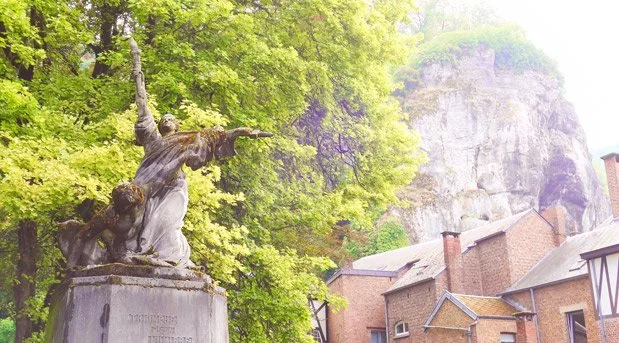
While on a tour in Brussels, I learned that those weren’t the only famous misconceptions about Belgian exports. Did you know that french fries were invented in Belgium?? Apparently, potatoes were deep-fried prior to 1680 in the Meuse valley, in what was then the Spanish Netherlands (present-day Belgium): “The inhabitants of Namur, Andenne, and Dinant had the custom of fishing in the Meuse for small fish and frying, especially among the poor, but when the river was frozen and fishing became hazardous, they cut potatoes in the form of small fish and put them in a fryer,” said Belgian journalist Jo Gérard. They garnered the nomenclature “french fries” when an American came to Brussels during WWI and named them as such because they speak French in that part of Belgium.
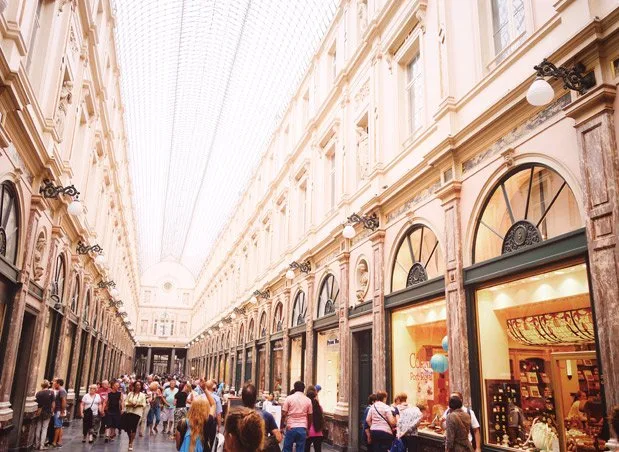
Another incredible fact about Belgium is that the very first shopping mall was created in Brussels, in 1846. It the first time that any shop had a window storefront. Galeries Royales Saint-Hubert –a stunning pedestrian walkway with high-end boutiques in the center of Brussels– was the place where the transition from in-home shopping (yes, people used to sell items out of their home), to what we now know as regular shops with street-side window displays, happened. And yes, this happened even before America was settled.
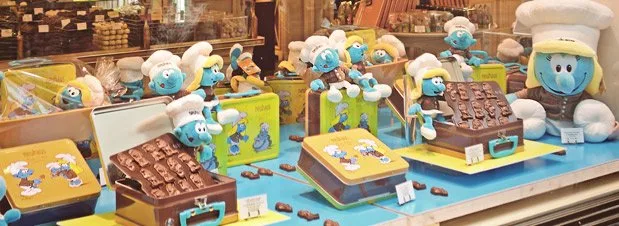

But enough with the history lessons! Modern-day Belgium is filled with foodie treasures and gourmet delicacies, and we’ve explored them thoroughly. So get ready for all the yummy details of our mouthwatering adventure!
Where to Stay While on Your Foodie Tour of Belgium
NE5T Hotel and Spa is nestled in the hills of the small city of Namur. It’s a very private, very boutique luxury hotel and spa run by a Michelin star chef. Never in my life have I experienced such incredible cuisine at a hotel — let alone in the privacy of our own suite, with multiple course meals and wine pairings being served as if we were in a 5-star restaurant. It felt more like staying in a private villa, but with the amenities of a luxury resort — and a private chef.
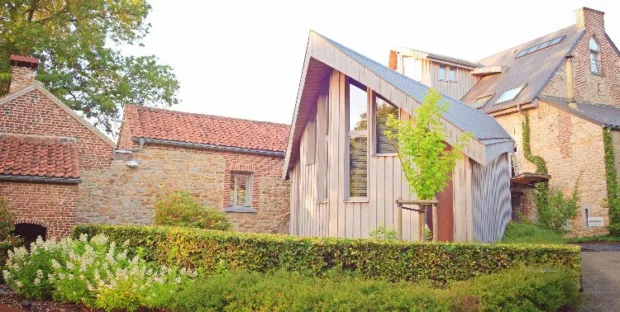
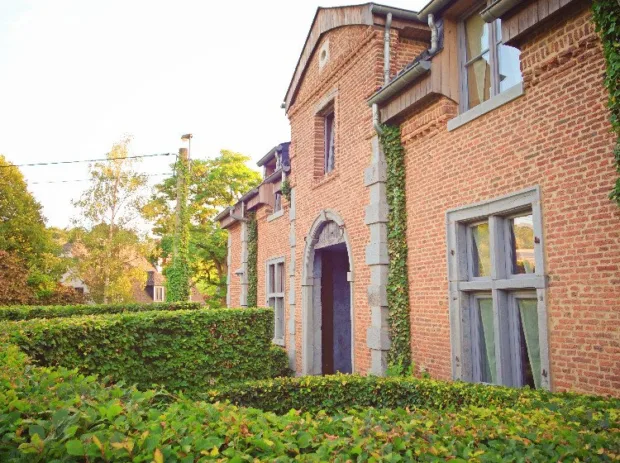
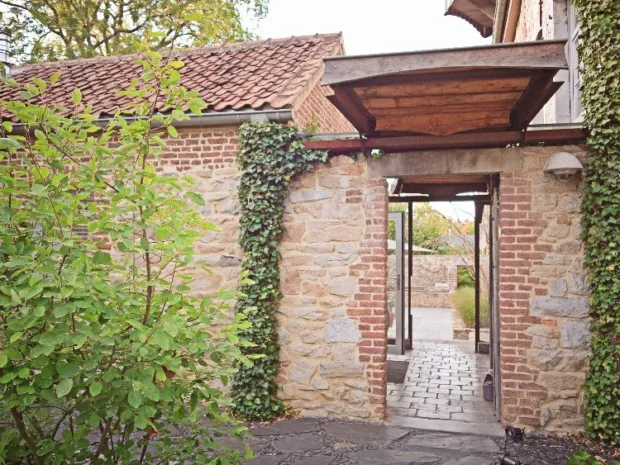
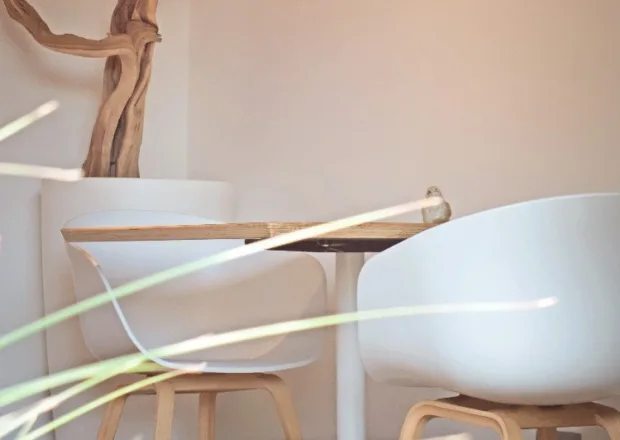
With six suites that feel more like country homes than hotel suites, NE5T was our luxurious home away from home for almost a week (although we would have loved to stay much, much longer). This uber-boutique hotel was carefully constructed from a renovated stone farmhouse and barn, which took a decade to renovate and managed to perfectly retain 100% of that charm.
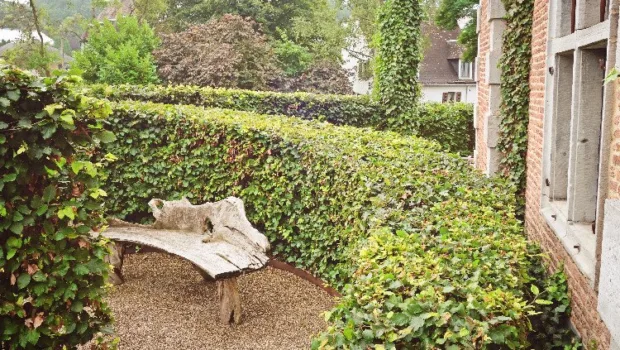
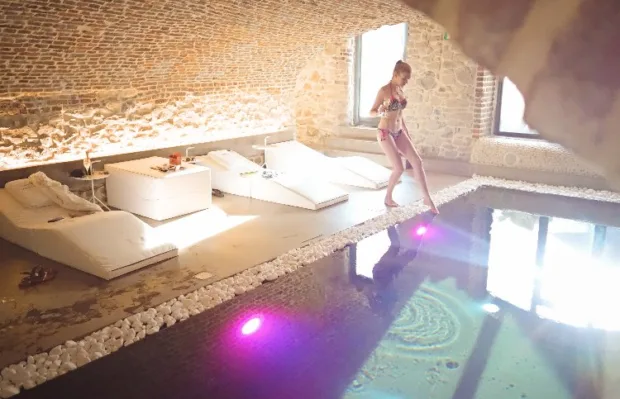
Taking a dip in the pool on a hot summer day is simply heaven. Chilly outside? Opt for the heated indoor pool, with its wave-making technology (so you can swim ‘laps’, in place) and automatic back massaging jets.
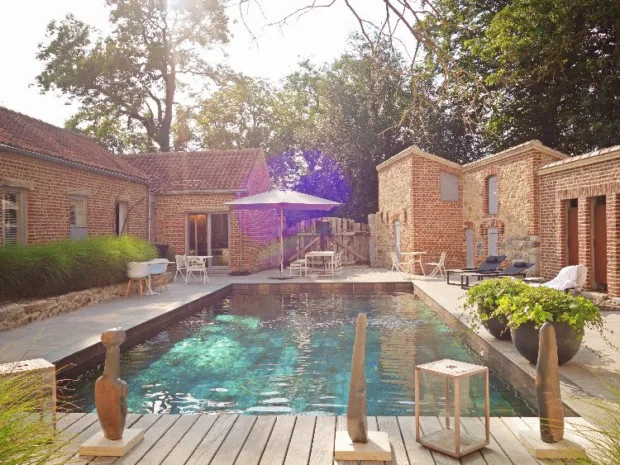
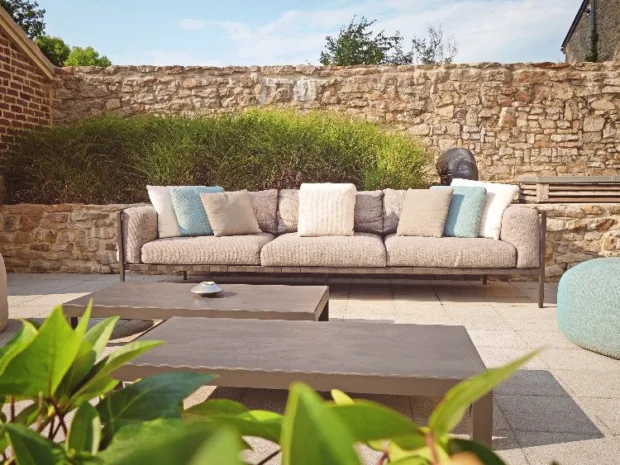
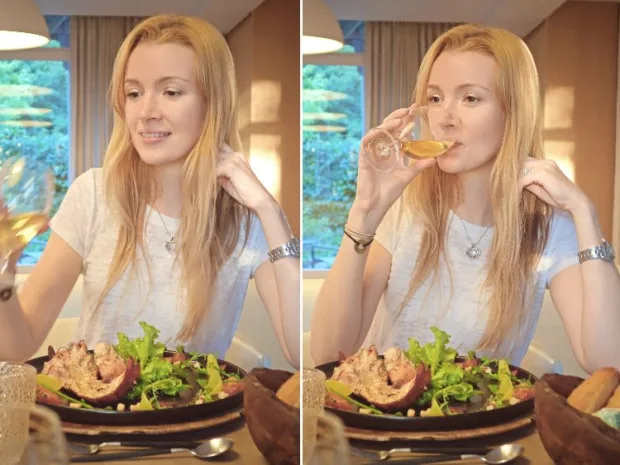
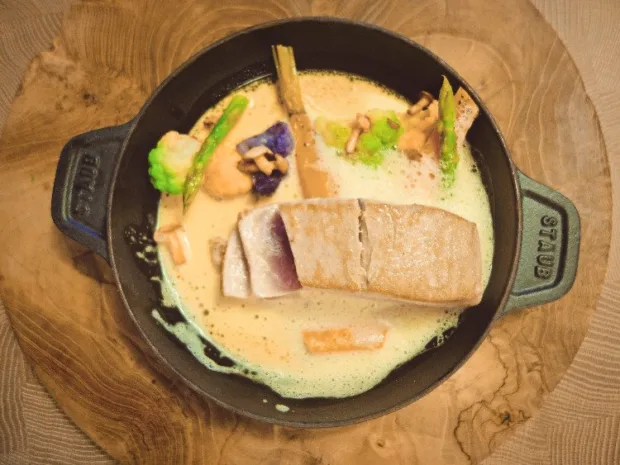
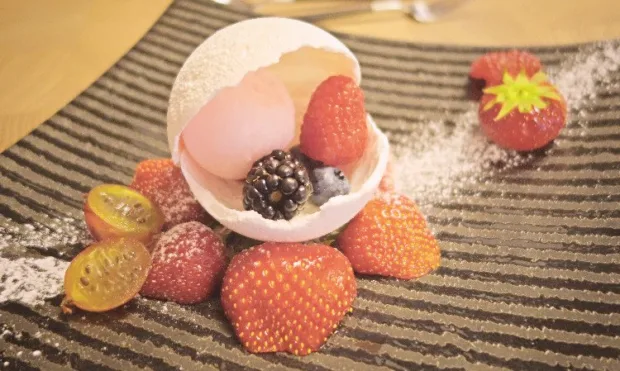
The food at NE5T was beyond what we’ve ever experienced from a hotel. The owner is a Michelin-star chef, and he taught the hotel’s chef, Nicolas Renard, very very well. So well, in fact, that NE5T deserves their own Michelin star. Not only that, but you can eat in your suite’s private dining room, at the pool, or in the restaurant area.
Note: Since writing this article I’ve changed my views about eating meat, seafood and dairy (even if it’s local and organic). I no longer waver from my plant-based diet and vegan lifestyle — here’s why.
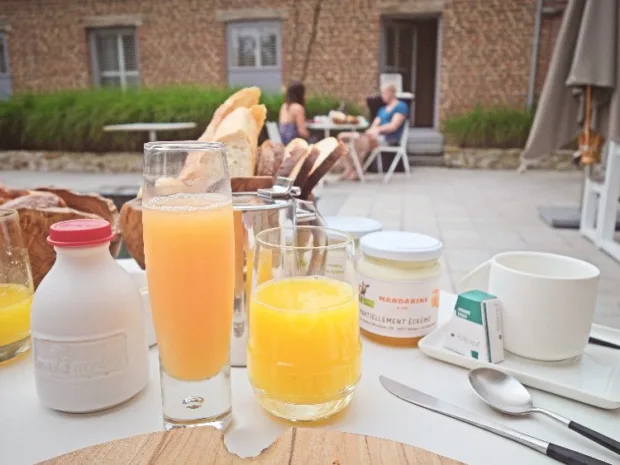
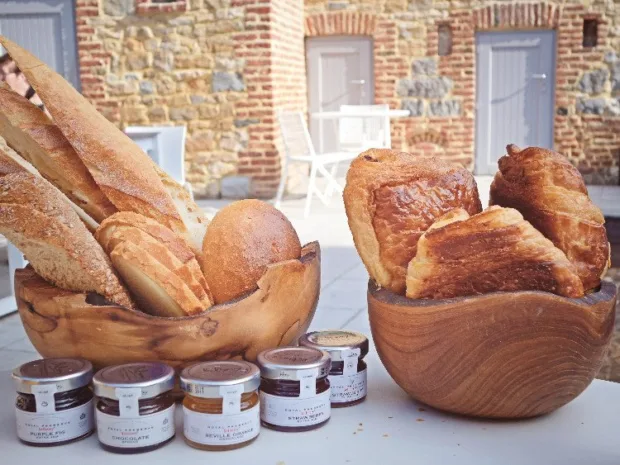
We were floored by the delicious selections of squeezed-a-second-ago juices, just-baked pastries and breads, local yogurts and butter (the best butter I’ve ever had), and organic teas. And that’s just what gets placed on your table before you even tell them what you’d like to order for breakfast!
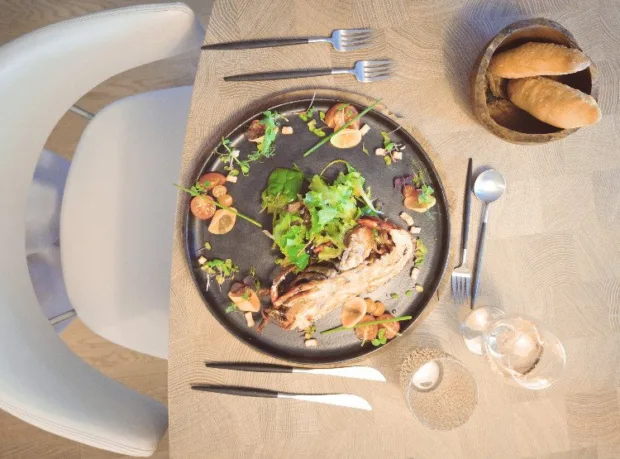
Dinner at NE5T is a memorable experience. Not only can you tell them whatever you’re in the mood for (the morning of), but the chef (Nicolas Renard) will also be happy to check the local markets for what’s the most fresh that day, and whip up something simply spectacular using only those fresh organic ingredients. Wine pairings, of course, can be had with each course, and are extremely well chosen. The white we had, for example, was ranked the best white wine this year.
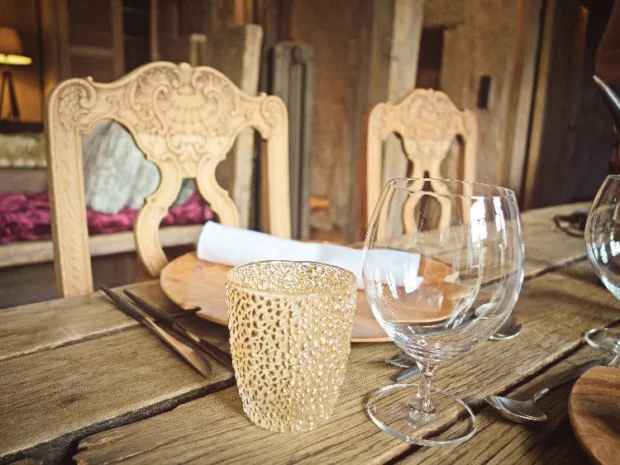
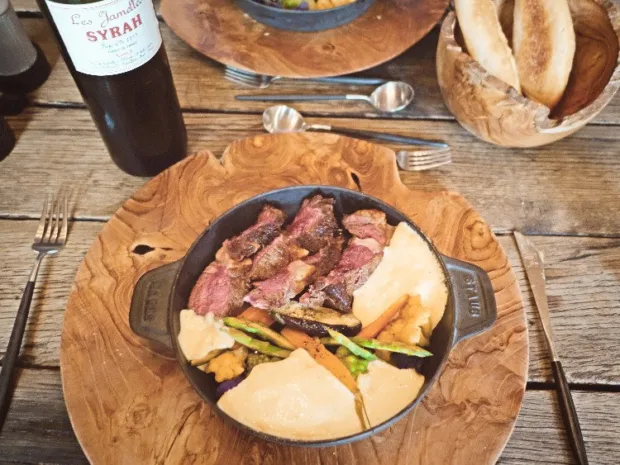
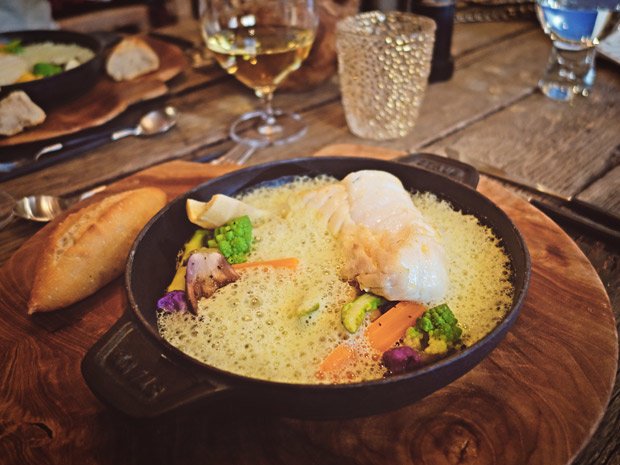
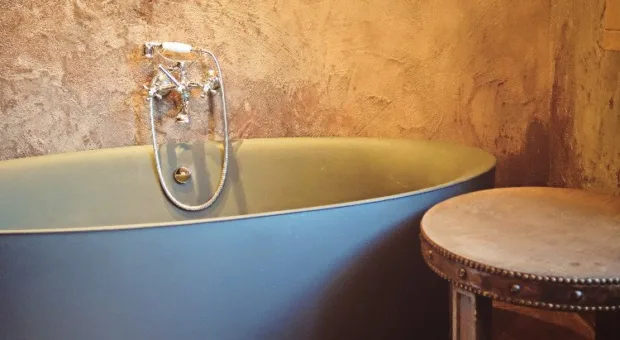
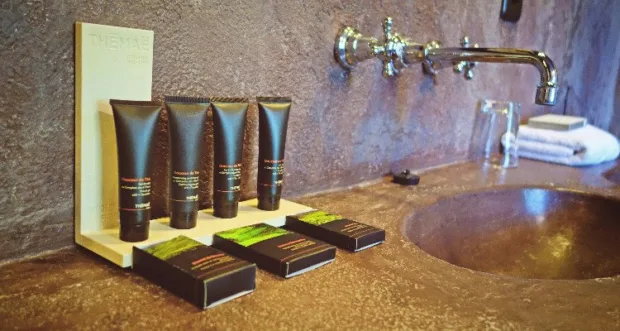
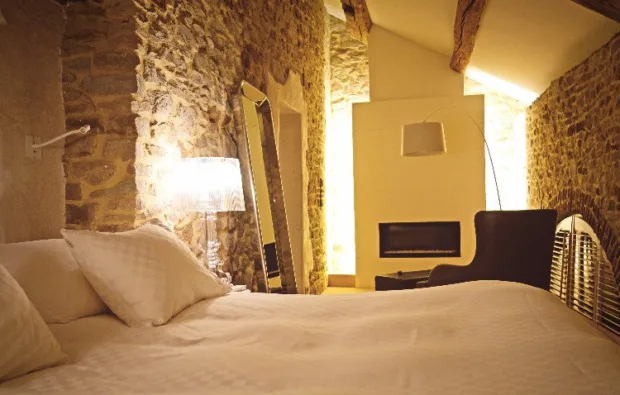
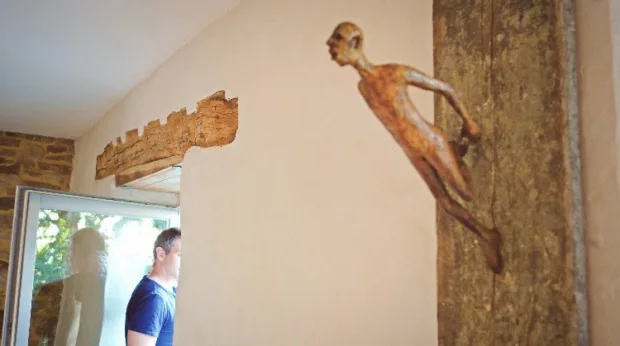
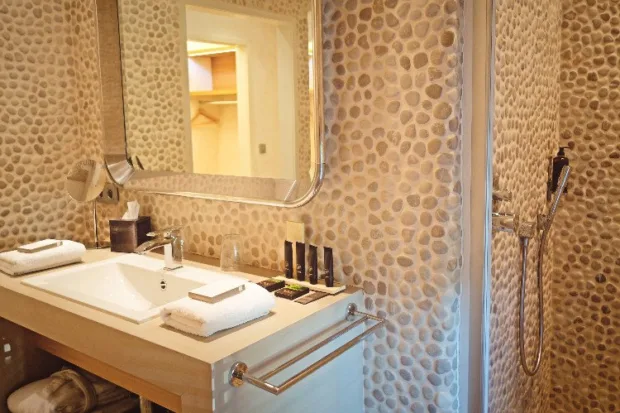
I apologize if I sound overly excitable, but the suites are sheer perfection. Every detail was carefully thought out to be either flawless — or perfectly imperfect…
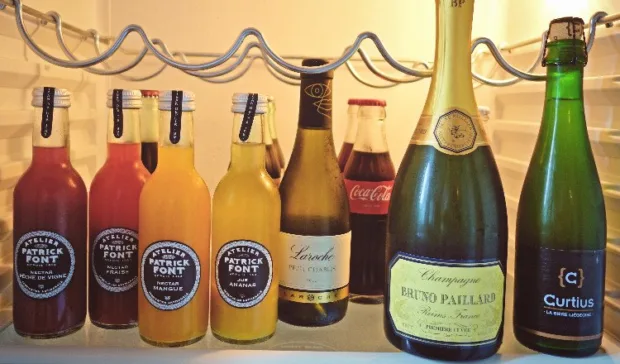
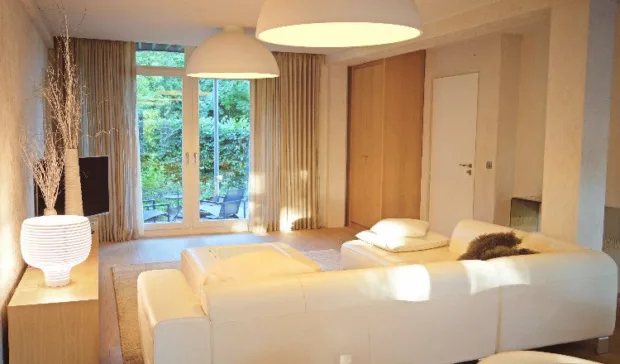
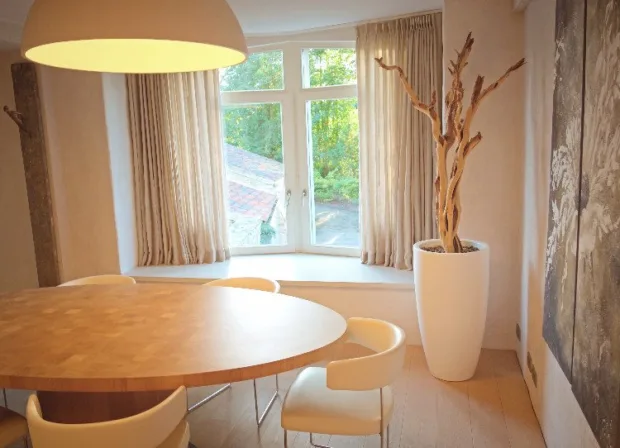
Four of the suites come with a full kitchen, and some have multiple bedrooms. We stayed in two separate hotel suites: Suite Blanche (the white suite) and the Duplex Madeline. Each and every bed at NE5T is outfitted completely by Hastens, including the pillowtop, duvet, pillows — and $35,000 mattress.
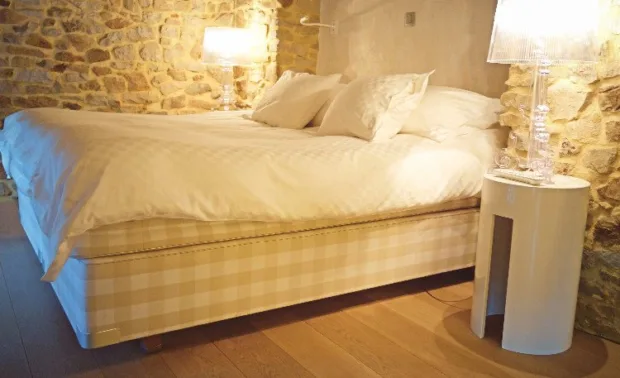
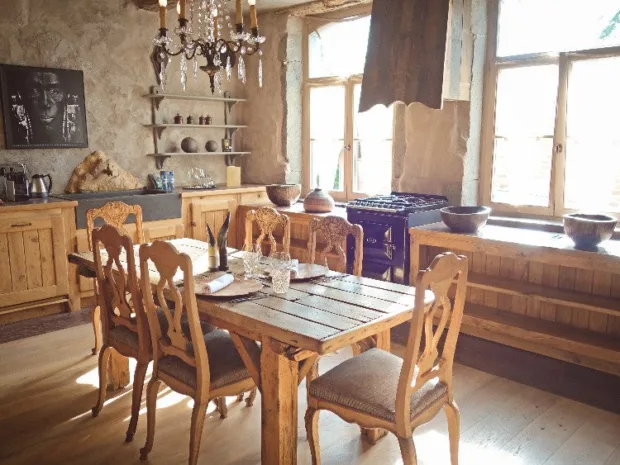
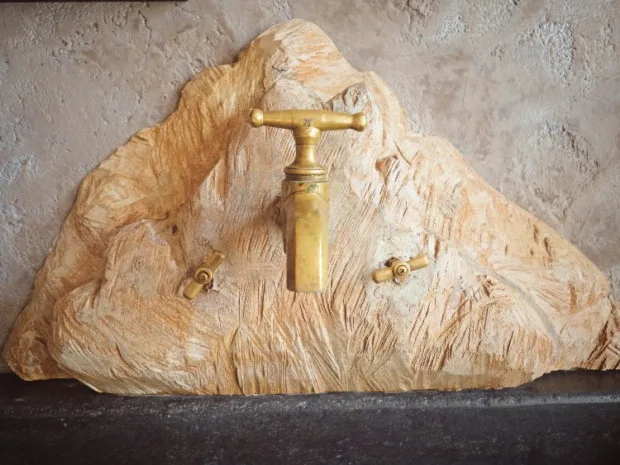
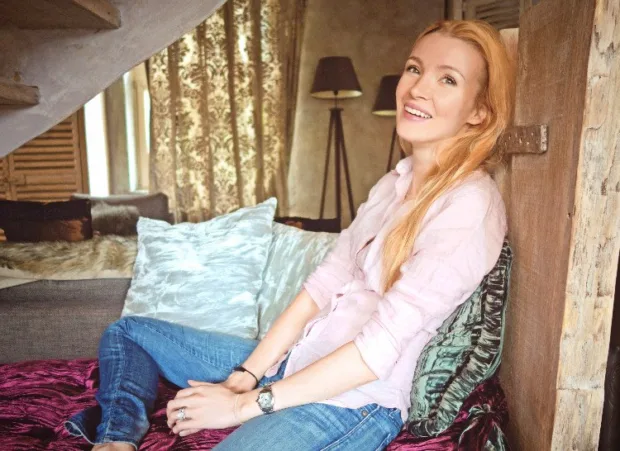
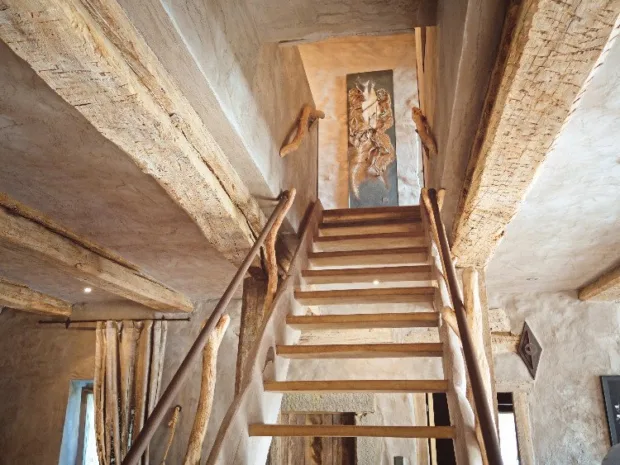
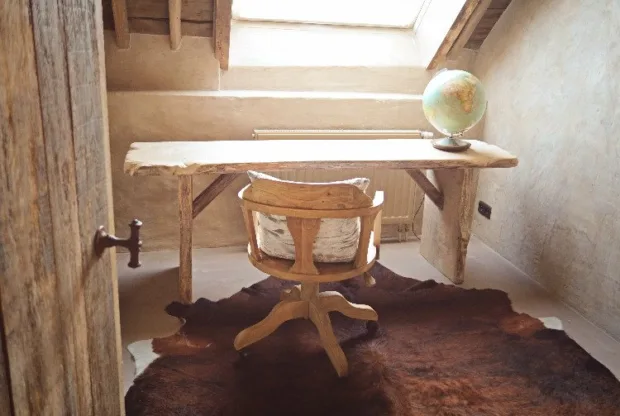
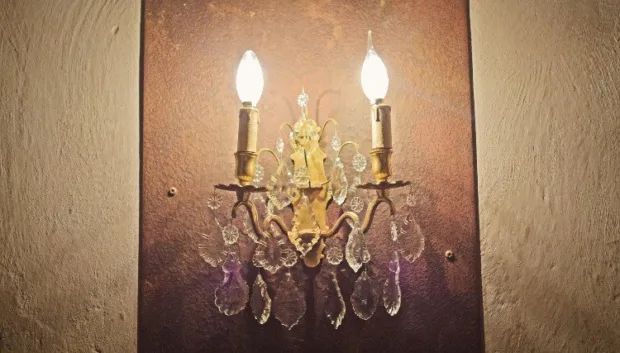
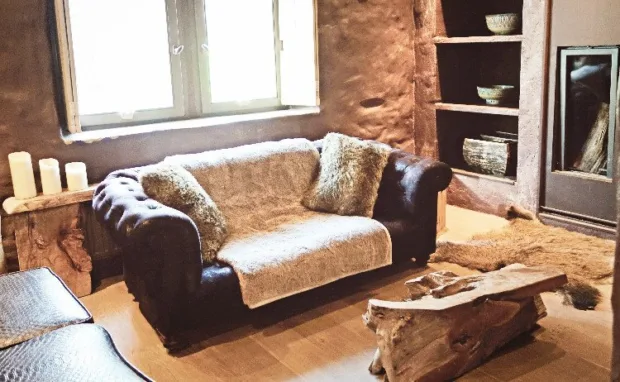
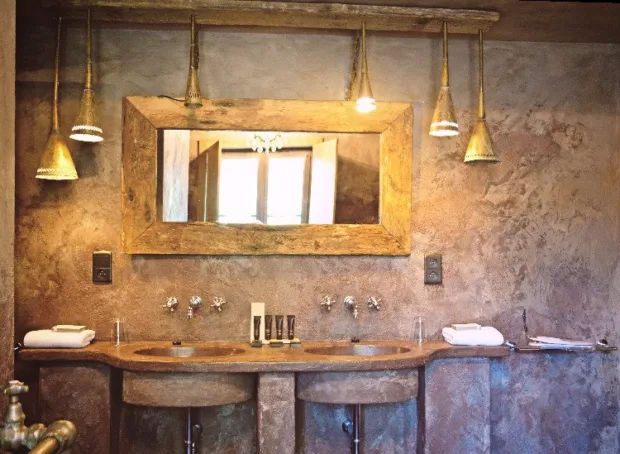
The Madeline suite had two floors, two bedrooms plus an office, a media room, a dining room, a kitchen and a living room. The decor was rustic-chic:
Suite Blanche had a private garden and a modern-castle vibe:
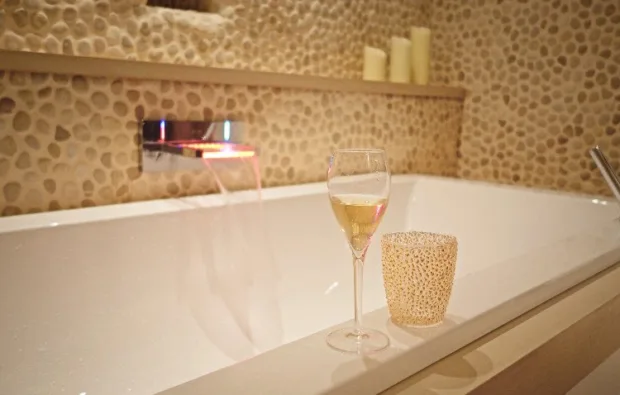
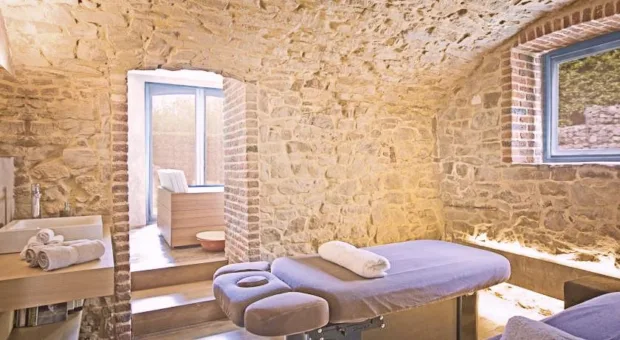
The spa melted our stress away. Only four people are allowed in the spa at once, and usually it was just us. We loved the surprisingly effective DreamWater Jet water-powered massage bed, the heated back-massaging pool, the workout area and the lounge.
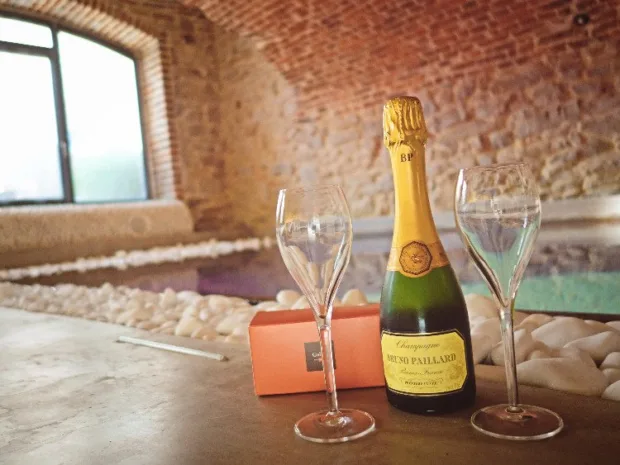
We got a couples massage, which took place in a room with a curved stone ceiling, connected to another room with a private hot tub in the corner.
Staying at NE5T is an incredible experience, guaranteed to satisfy any foodie, and the perfect launching place for your Belgian foodie tour. Yes, there’s more!
Belgian Beer Tastings
Belgium is known for its hundreds of varieties of homegrown artisanal beers. There are about 180 breweries in the country — and remember, Florida is about six times larger than Belgium!
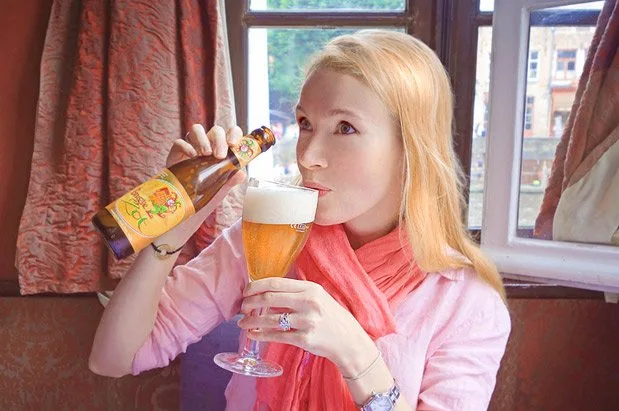
On average, Belgians drink 84 litres of beer each year, down from around 200 each year in 1900. In Belgium, beer is a serious beverage, and brewing is an art form. Most beers are bought or served in bottles, rather than cans, and –like wine– almost every style of beer has its own particular, uniquely shaped glass.
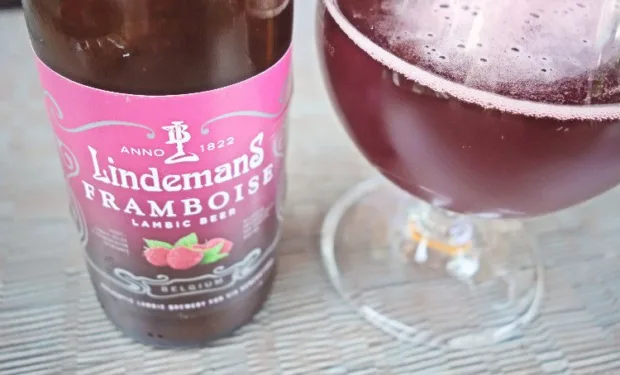
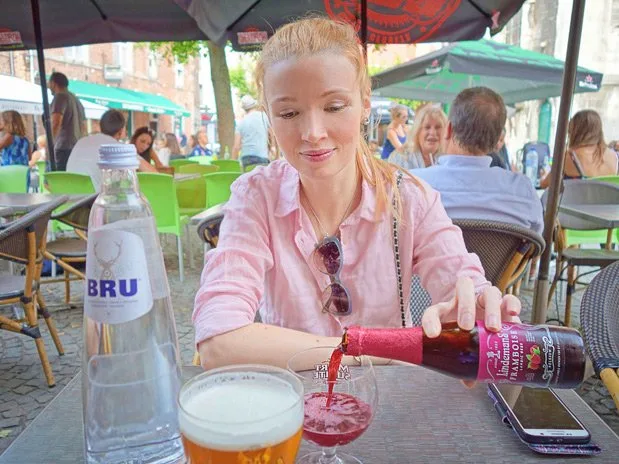
Beer in Belgium dates back to the age of the first crusades in the 1100s, long before Belgium became an independent country. Under Catholic church permission, local French and Flemish abbeys brewed and distributed beer as a fund raising method for the church. People drank it as a sanitary alternative to drinking water. What are now traditional, artisanal brewing methods evolved, under church supervision, during the next seven centuries.
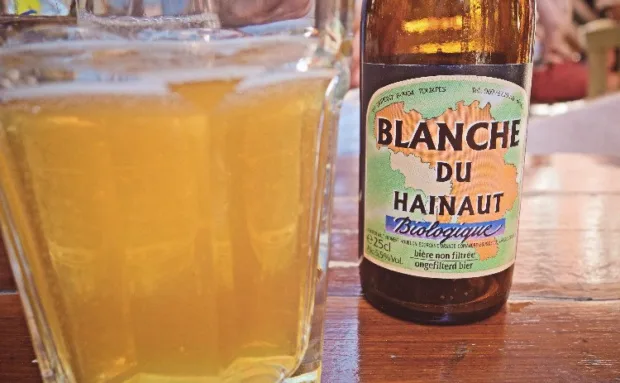
But where are the best places to try these artisanal beer varieties? Well, just about anywhere will do — as almost all restaurants serve them. However, for a special experience, here are the three best locations in Brussels:
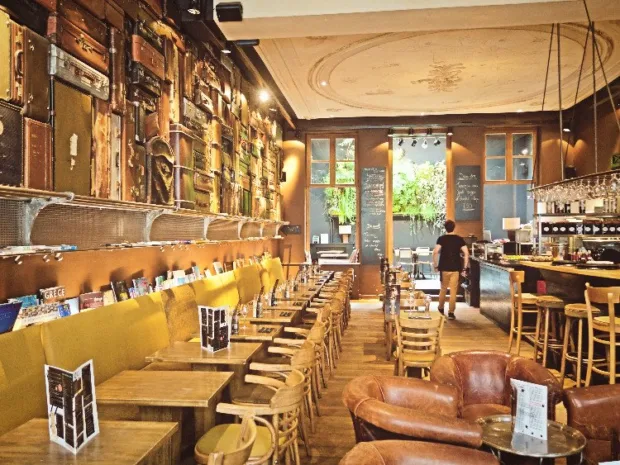
Le Cercle des Voyageurs is a must-see spot, with vintage suitcases stacked up to the ceiling, covering an entire wall. It has a smoking-room feel, and a well-curated selection of beer, tea, cocktails, and even a small selection of European wines.
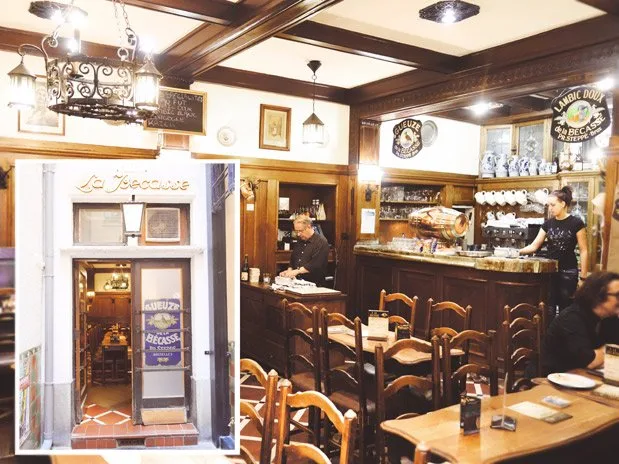
La Becasse is one of the original estaminets. Hidden at the end of an alley, this pub has multiple hidden exits, and looks pretty much the same as it did at the end of the 19th century. Long ago it was used as a speakeasy of sorts, where hidden meetings over beer spawned revolutions. La Becasse remains one of the oldest pubs in downtown Brussels.
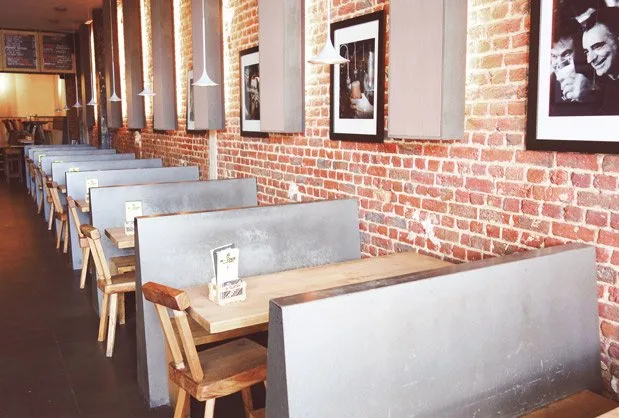
Moeder Lambic is a well-known local spot with a curated selection of the best artisanal beers. Owner Jean Hummler has close ties with many of the local craft and small brewers, and hosts special tastings in the brick and reclaimed wood-lined basement. There is a large oaken table and bench style chairs in the center of this dimly lit cave. The walls around you are lined with hundreds of well organized bottles of mostly Belgian beers. No Stella here, my friends!
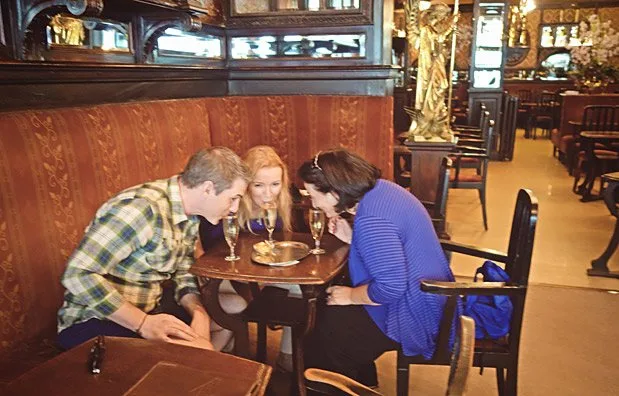
Le Cirio was established in 1886 and was the first cafe in Belgium to serve coffee and Italian food. It has a very authentically Belgian feel, with the facade dating from 1909, gilded columns, emerald-colored glass and curved mirrors. Slightly off the beaten path, near the Bourse (Brussels Stock Exchange), the plush red fabric seats, ‘distressed’ wood tables, dark wood carvings, stale yellowish lighting and good drinks, make Le Cirio a favorite of both tourists and locals. This is the place to have the famous ‘Half-and-Half’ drink. Wondering what a Half-and-Half is? Well, Brussels is half Flemish and half French speaking, and so this drink celebrates that by being half wine and half champagne. The waiter fills the flute glasses in front of you, to the very brim, and in order to drink it you must lean over the glass and sip it without moving the glass. Oh, and yes — they also have a great selection of beer. So, if you’re looking for a spot that you won’t be able to replicate in another part of Europe, check out Le Cirio.
Wondering what beer to order? Check out the reviews of over 100 beers on A Taste of Brussels. Now, for the food…
A Foodie Restaurant Tour of Brussels
Belgium has a huge foodie scene. While we were in Brussels, we had the great pleasure of experiencing a wide variety of gourmet cuisine. Here are our favorites:
Senzanome
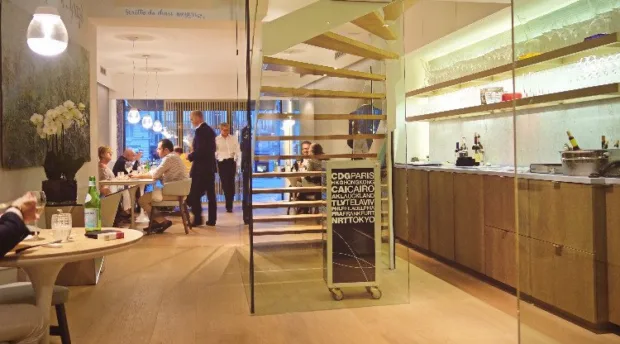
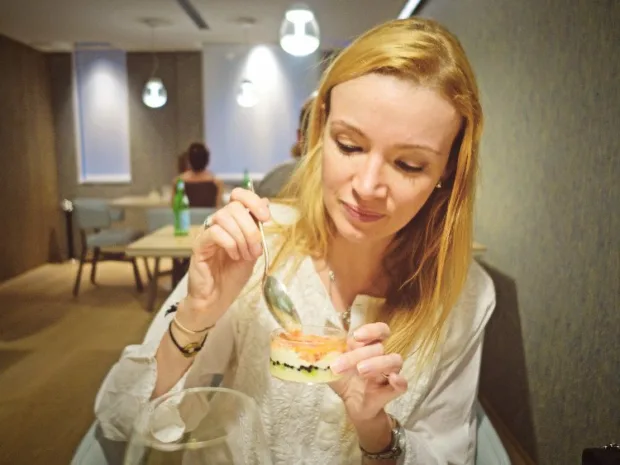
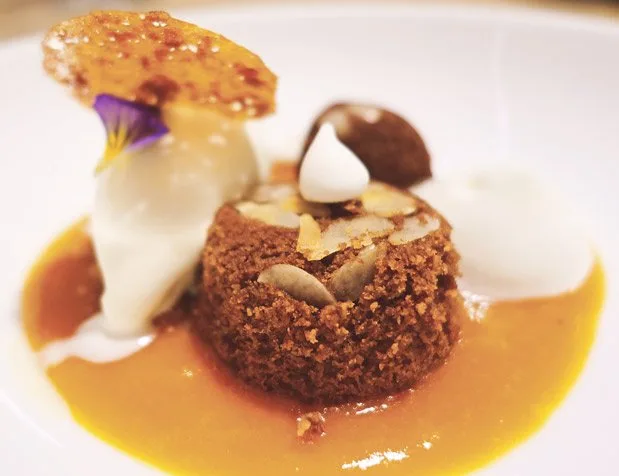
If you’re looking for an upscale spot to eat out in Brussels, Senzanome should be at the top of your list. It’s a Michelin-star Italian restaurant with impeccable service in a modern and minimal setting. Based on classical italian ingredients and perfectly fresh products, chef Giovanni Bruno and his team offer creative dishes reflecting their gastronomic creativity combined with care for authenticity. The sommelier, Benjamin Lacombe, did a fantastic job of pairing six unique wines with our meal (several of which became new favorites of mine).


Cecilia
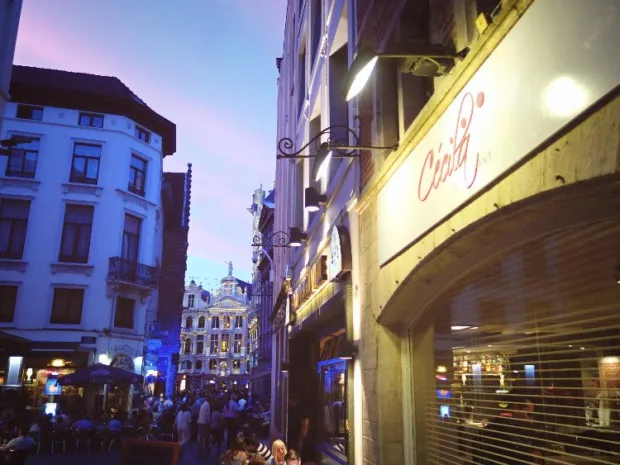
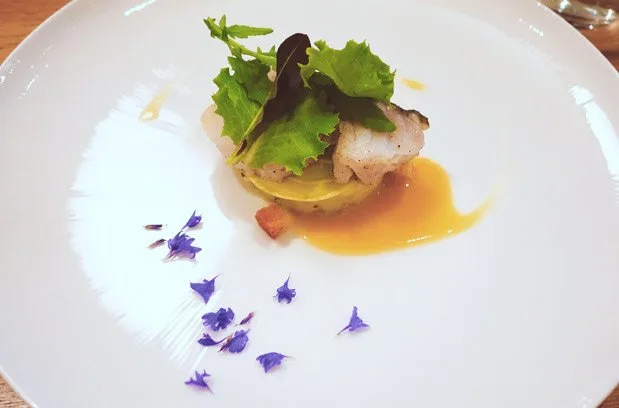
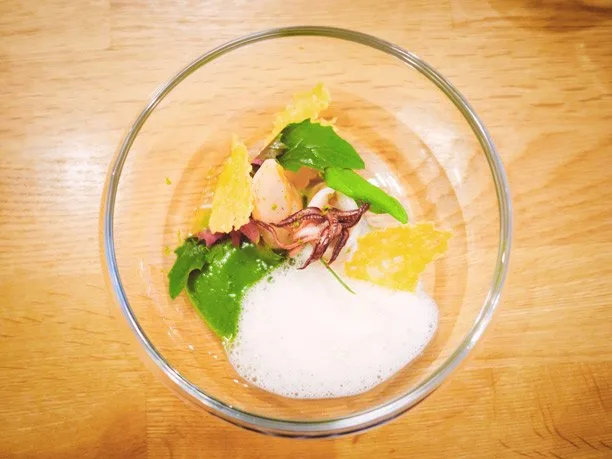
With a female chef who takes her art very seriously, you can expect to spend at least three hours at Cecilia Restaurant. The dishes are small and many, and mix locally-sourced flavors together perfectly. You can choose from either a five or an eight course meal, and indulge in per-course wine pairings. The interior is small and simple, with the back open to the kitchen, so you can see the chef put the final touches on each dish. Cecilia is in the downtown area, just around the corner from Le Grand Place, so there are a lot of lively places to have an after-dinner drink nearby.
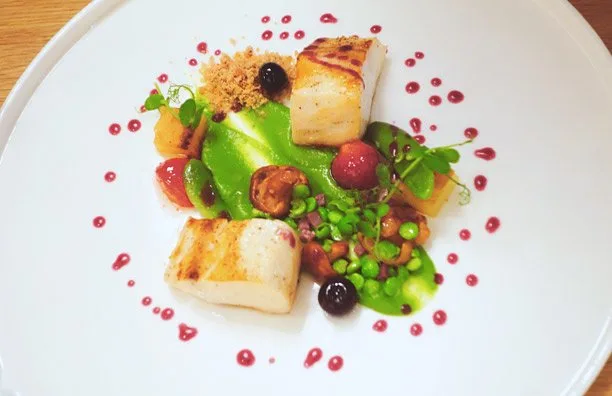
La Quincaillerie
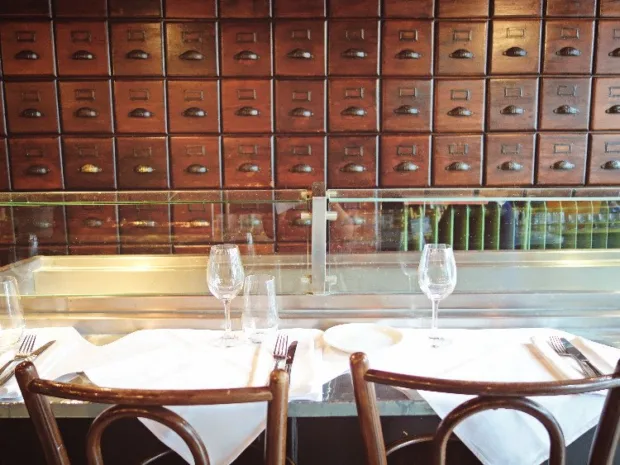
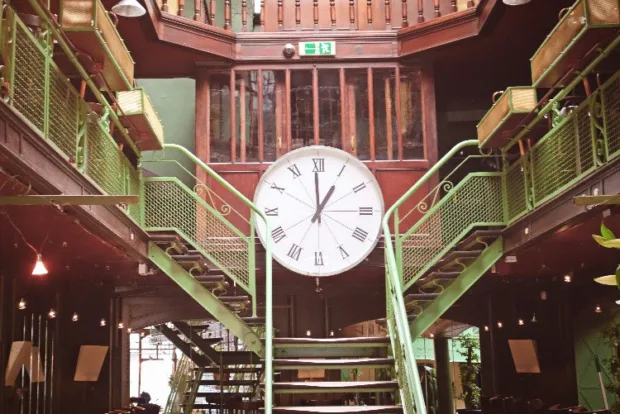
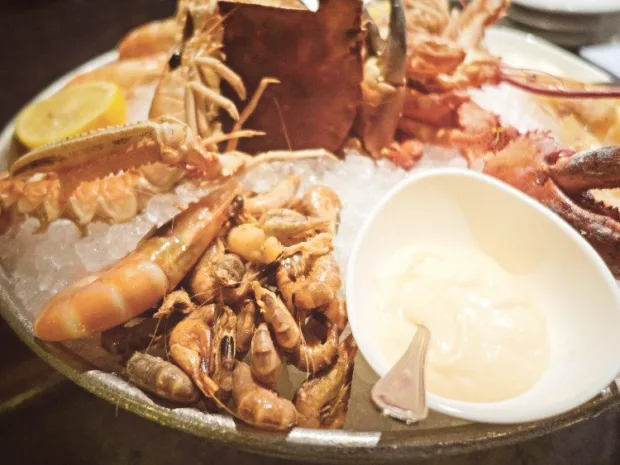
This restaurant is located in uptown Brussels, and is known for the fresh seafood they serve. With three floors that are all open into the middle of the restaurant, there are plenty of gorgeous vantage points and romantic table seatings tucked away from the prying eyes of the Belgian upper-crust that frequent La Quincaillerie.
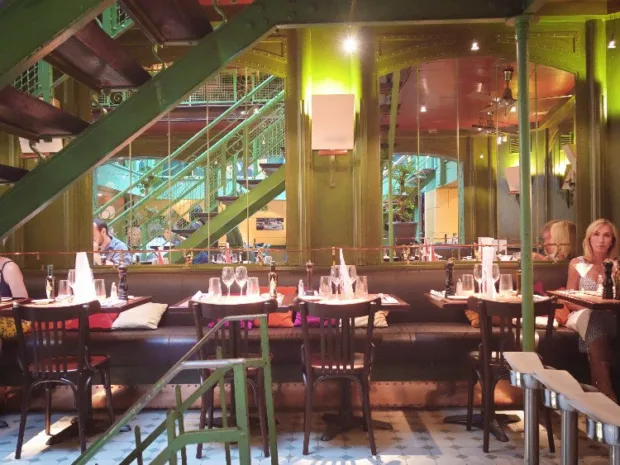
Pistolet Original
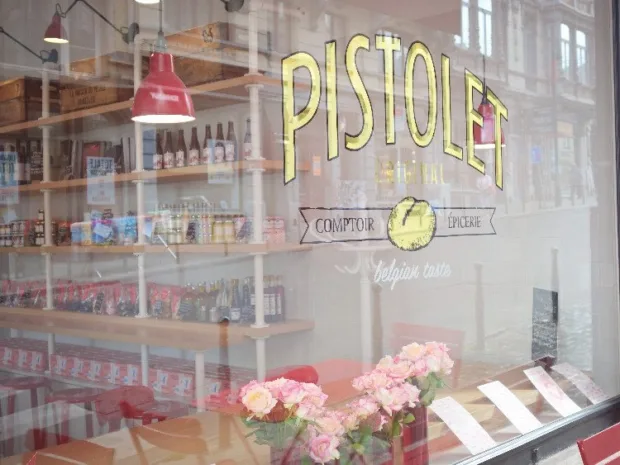
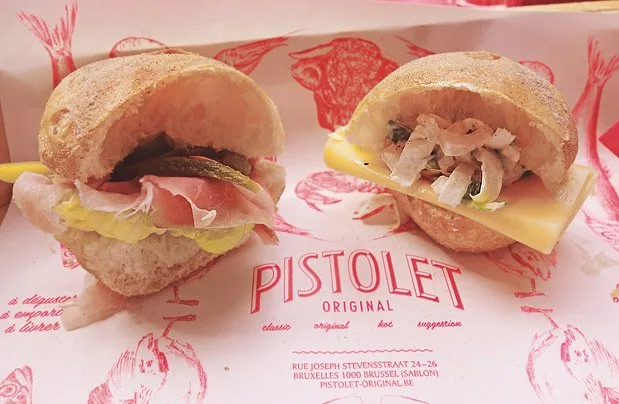
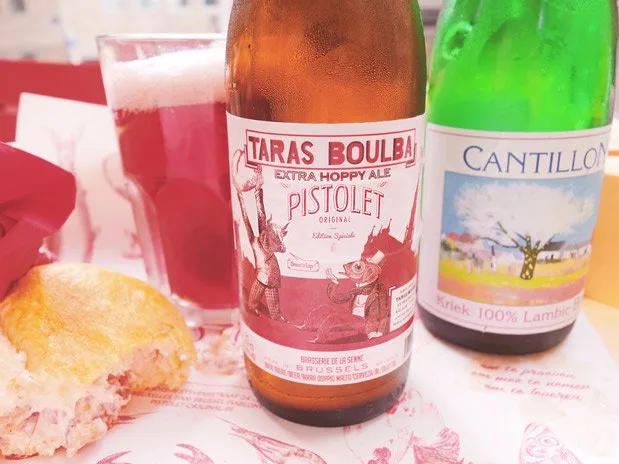
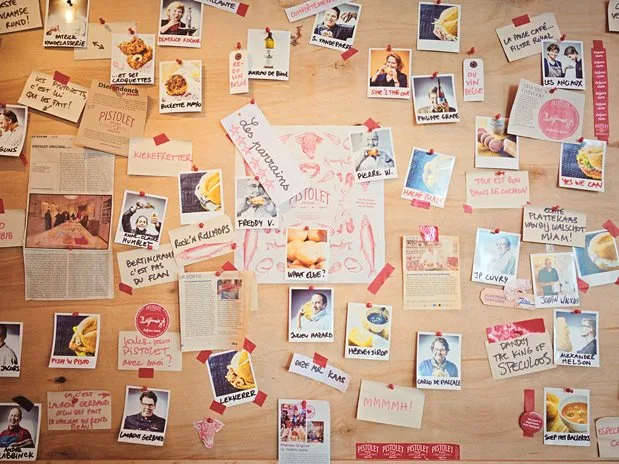
Don’t be fooled into thinking that you have to go to a fancy restaurant to get really delicious gourmet food in Belgium. Here, almost every restaurant is gourmet. Our favorite grab-and-go lunch spot was Pistolet Original (which translates to “original gun/pistol” in English). Pistolet is the name of a famous type of round bread roll with a slit down the middle (yes, it kindof looks like a bum!) that was a Sunday-only delicacy during wartime. Owner Valerie Lepla remembered eating these rolls while growing up, but couldn’t find a restaurant that served them in a creative way, so she opened her own.
I can personally attest to the fact that these are the best sandwiches I’ve ever had. In. My. Life. They were so good that we ate at Pistolet every day we were in Brussels. As my husband just said, “I would literally fly back to Belgium just to have more of those sandwiches!” Filled with everything from shrimp to raw meat (those are called Americans!), these gourmet sandwiches are definitely not to be missed!


…and a great spot in Namur…
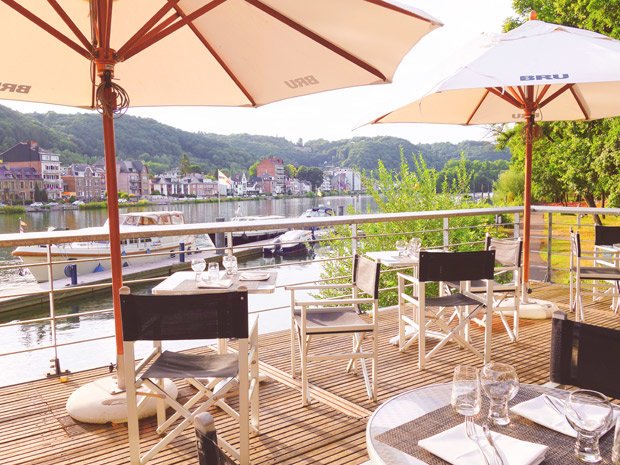
A quick drive from NE5T will take you to this fantastic waterfront restaurant.
La Plage d’Amee
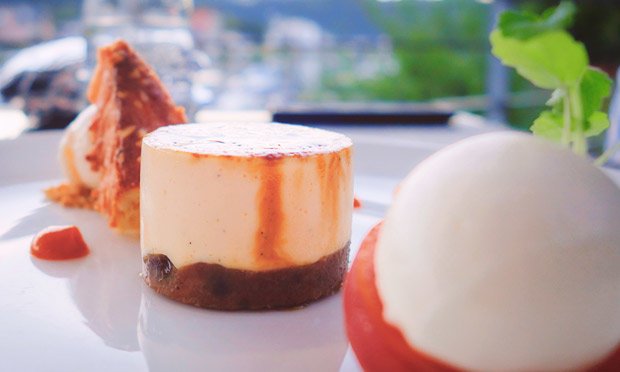
Set right on the river Maas/Meuse in a very modern building, La Plage d’Amee is the perfect place to watch the sun go down. Beautifully presented dishes, wines selected expertly for each course, knowledgeable and multi-lingual staff providing excellent service with a price to match.


And speaking of desserts…
World-Class Dessert Artisans
Belgium is famous for its desserts. We go to know three of the most prominent purveyors of gourmet Belgian sweets:
Haute Chocolate
Belgium is most famous, above all, for their chocolate. The saying goes, “a balanced diet is chocolate in both hands”.
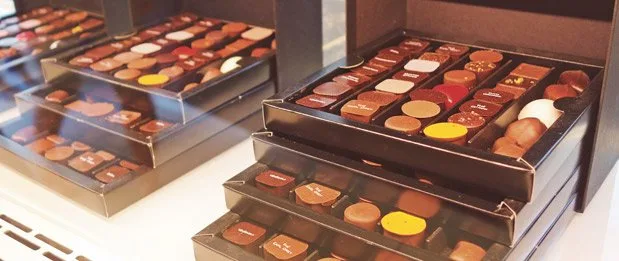
Pierre Marcolini, the first chocolatier who thought to mix unusual spices and flavors with chocolate, is one of only two true chocolatiers left in Belgium. What is a “true chocolatier”? I was wondering the same thing. A chocolatier, under the French definition, is an artisan small batch producer who creates chocolate confections using the chocolate which they made themselves. A company who is using couverture (high end cooking chocolate) to create confections, should, in the French language, be called a “confiseur”.
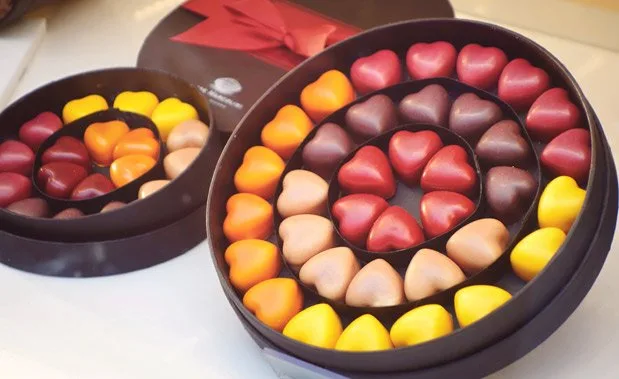
Why does this matter? Well think of chocolate how you would think of wine. Wine is made from grapes, and the weather conditions, location of the vines, harvest time, soil and grape type all make a difference in how the wine tastes. Well, chocolate is basically the same, but with cocoa (/cacao) beans. So instead of buying pre-made chocolate, melting it and adding things to it, Pierre Marcolini is involved in the creation of the actual chocolate, from planting the seeds to harvesting the beans to actually making chocolate from them. And when you taste the dark chocolate he produces from various parts of the world, you’ll notice the difference.
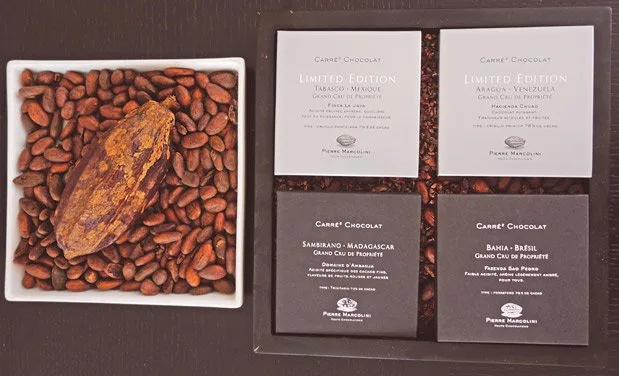
There are three golden keys to great chocolate:
- The type of cacao bean. 1% of the world’s production is crello, which is used to make Pierre Marcolini chocolates. They pay 8 times the price of market for their cocoa beans.
- The conditions the bean is grown in. The soil and growing conditions affect the taste greatly.
- The roasting process. Like roasting coffee, there is a science to roasting cacao beans.
Like wines, he produces limited edition chocolates (“Grand Cru de Propriété”), and on each box it specifies the farm, the area, the country, the bean type, and the percentage of cacao. Taste them for yourself.
Gourmet Pastries
As the saying goes, to be a gourmet pastry chef, you must be an architect, and artist and a chemist in one. Pastries are considered to be the jewels of the gastronomic world. While in Brussels, we had the delicious opportunity to have Jean-Louis Barré show us around his gourmet patisserie. This is him:
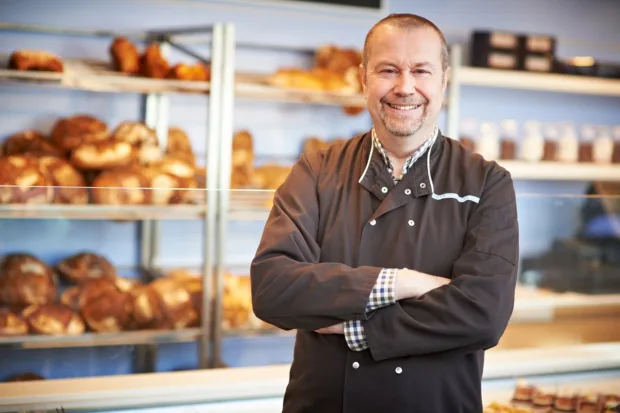
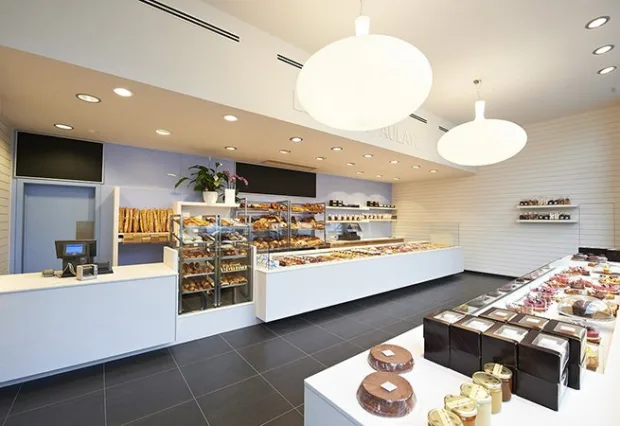
He’s one of three owners (two Frenchmen and one Belgian) at hands-down the best and most famous bakery in Belgium, called Le Saint-Aulaye. And when I say this, I mean it. Whenever we mentioned that we were at a famous bakery, people would say “Oh! Was it Le Saint-Aulaye? You’re so lucky!!” Yeah, we were. We got to try some of their incredibly tasty organic desserts and breads, and talked to Jean-Louis about the bakery, and why it stands out from the crowd.
Urbanette Magazine: What makes the pastries at Le Saint Aulaye stand out as memorable?
Jean-Louis Barré: We really love our cakes, and we eat them every day, so we only make the highest quality. In Brussels you have two big companies that supply bread, and it’s very low quality. This is why, now, there are small bakeries popping up that keep the quality high and, consequently, are becoming quite successful. Also, my partners spent age 16 to 24 traveling the world and learning about gourmet baking. We have all been baking our whole lives, and feel as though we were born for this.
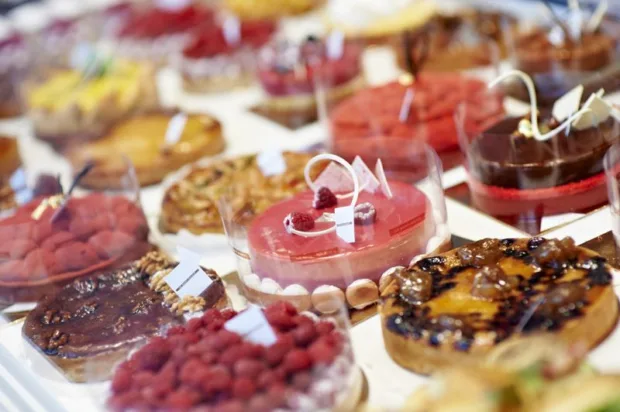
Urbanette: How does your process make your pastries unique?
Jean-Louis: If a recipe is too simple, we don’t want to do it! For every kilo or wheat, we put in a kilo of butter. It’s expensive, but that’s what gives our pastries that softness. If you buy pastries that are 10% less expensive, you’ll find they’ll be 80% less quality, and three days later that croissant will be so hard that you could kill someone by beating them with it! (laughing) The expression we use is “C’est une tuerie”, it means “it’ll kill you”.
Urbanette: How can a customer tell if a pastry is quality or not?
Jean-Louis: You can tell if a pastry is made with pure butter if it’s browned on the outside. If a pastry is made with margarine instead of butter, it will be yellow.
Waffles and Speculoos
If you’re looking for grab-and-go sweets, Maison Dandoy is the place to get them. The most famous cookie-maker and waffle-maker in Belgium since 1829, Dandoy boutiques are sprinkled around the country.
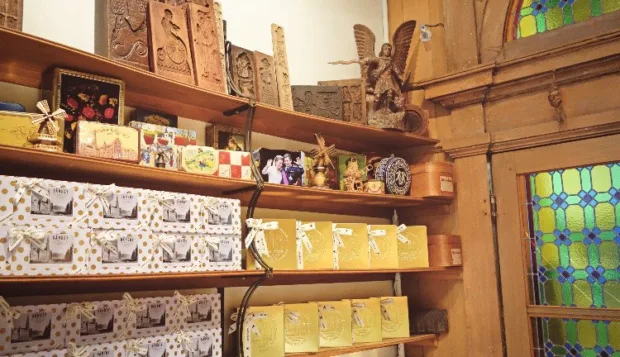
Although you can also find them in Galleries Lafayette in Paris, Harvey Nichols in London, and Bergdorf Goodman in NYC, 80% of their sales are in Belgium. Nothing in their 3.5-million-euro factory (with an incredible 100% employee retention rate) is automated — everything is still done traditionally, by hand, even the packing.

They’re a 6th generation Belgian-family-run business whose famous “Speculoos” cookies are made of cloves, cinnamon, and 86% fatty butter (the highest quality of butter available). The ingredients are simple (nothing artificial) and come from local organic farms. If I had to compare a speculoos cookie to something, I’d say they are vaguely reminiscent of gingerbread cookies, but with a unique flavor all their own. The batter is hand-poured into hand-carved wooden moulds so that the cookies (which come in very large sizes up to 4 or so feet tall) take on the shape of an old mad or a windmill, or whatever the mould is of. Dandoy is planning on opening a museum to showcase these valuable moulds, as they have the largest collection in the world.
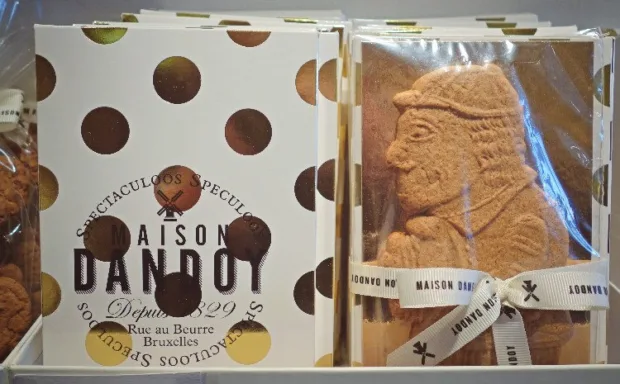
In Belgium, the tradition is that if you were a good kid, St. Nicolas (Santa) would bring you speculoos. It wasn’t Christmas, but it felt like it when we got to try them right out of the oven. Dandoy sent us home with several boxes and they were all eaten by the time our plane landed. Bon appétit!





Chocolates and waffles. nougat and caramel. Basically, candies and sweets are my main reasons to travel here. I don’t know if I’m a kid or just addicted to sugar. We will never know!
I’m will go to Belgium just for the chocolates. I’m gonna explore Belgium just to taste chocolates.
Nice photos! Makes me wish I was there right now…
Wow!! That hotel is super luxurious. I just can’t wait till I get there as well. Thanks Hilary for sharing it.
OMG OMG OMG that hotel looks aaaamaaazingggg! I’m totally going to visit Namur with by boyfriend this summer. It looks sooooo super cute and romantic! I’m so excited. 🙂 I always find the best tips here!
GORGEOUS photos, Hilary! NEST looks super luxurious. I wish I could make my apartment look like that. Stunning. I’m going to book a trip there ASAP. Too pretty (and the food looks too good) not to.
Absolutely breathtaking! I love the photos you took! I’m going to book this hotel with the guy I’m seeing — looks so super romantic… I also love all the detail you gave about not only Belgium, but the places you went. Like many others, I’m sure, I had no idea that Belgium was so gorgeous and interesting…
I had no idea Belgium was so incredible. I’ll add it to my bucket list!
Wow!! What an amazing places!!!! I am going crazy to be there 😉
Amazing trip, Hilary!!! 😀 And as always, I learn so many things just from reading your articles.