
If you have been keeping abreast of the latest updates about the cosmetics industry, you probably know by now that most of the mainstream makeup that we use daily, are full of extremely harmful chemicals. Yes – many of the products that we apply on our face can actually cause cancer and serious birth defects.
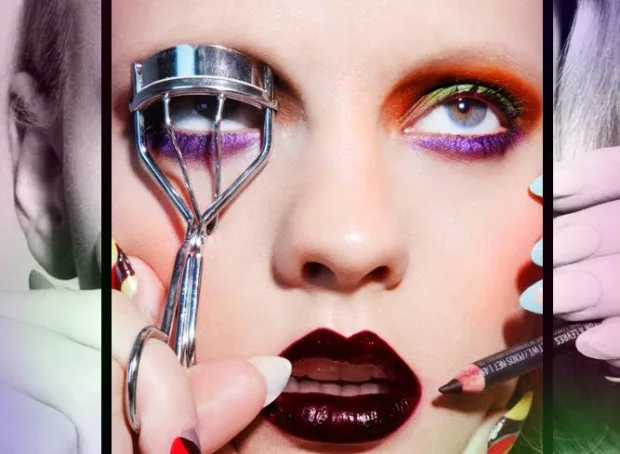
Before we pooh pooh these ideas (after all, how much can a bit of BB Cream or eyeliner hurt you?), we would do well to remember that skin is the largest organ in our body, and 1 in 5 Americans will get skin cancer this year. Would you voluntarily expose this organ to cancer causing chemicals each and every day? I hope the answer is no… Yet, that is what each of us is doing on a daily basis.
Much has been made of the fact that the EU has banned about 1,400 different chemicals from cosmetics and personal care products, while the U.S. has banned a paltry 11.
Yes, we all know that we should be careful about the ingredients that go into our cosmetics and personal care products, but with so many brands flooding the market, how do we decide which products are good for us? Usually, we go for the reputed brands, assuming that such big names will never make a product that will harm our health. And yet, most of the time, these big names are also the biggest offenders. They’re all about maximizing profit, and they have lobbyists and legal teams to cover up their misdeeds.
Most of the major drugstore and department store brands fall woefully short on safety and environmental standards, even though they may be very popular. As a typical example of mainstream cosmetics brands, The Campaign for Safe Cosmetics checked for the most dangerous chemicals that have already been proven to be highly toxic, and found that all of the drugstore and department store products (like Maybelline, Clinique, L’Oreal and similar brands) either openly contained these toxic ingredients, or contained them in secret (as an unlisted ‘contamination’).
The bottom line is that drugstore and department store brand makeup and cosmetics are simply not safe.

As consumers, it is both our right and duty to be mindful about the cosmetics that we use and to ensure that we shun any products which can pose a health hazard to us and our children. Once we start avoiding products that are harmful, we will hit the cosmetic giants where it hurts most –their revenues and bottom lines– forcing them to swap out the most dangerous ingredients for (hopefully) safer ones. It is up to each one of us to make that happen.
According to the Environmental Working Group (EWG), “Nearly 90% of the 10,500 ingredients the FDA has determined are used in personal care products have not been evaluated for safety by the CIR, the FDA or any other publicly accountable institution.”
Fortunately, there are several nonprofits that have taken it upon themselves to analyze and rate the various personal care products that are available in the market. Tools like GoodGuide and the Environmental Working Group’s Skin Deep Database provide critical health information about many consumer items including personal care products. And if you want to check how effective these products are, then sites like Beautypedia and the user reviews on Amazon provide useful information (keep in mind that there are a lot of fake consumer reviews out there!)
Here’s a great video that explains how so many toxins end up in our makeup:
So, the next time you buy any of your favorite makeup, visit a few websites like EWG Skin Deep and GoodGuide and see if they withstand the safety test… or simply purchase products from your health food store that have zero ingredients that sound like chemicals.


Certified-organic beauty products work better simply because they are made with superior ingredients. It’s like cooking. A great dish probably doesn’t include artificial flavors or fake, processed foods. Instead, it’s likely made of pure, fresh and simple ingredients. Beauty products work the same way. Better ingredients mean better results. Those with sensitive skin can especially benefit from organic beauty products that contain high quality ingredients that won’t aggravate or worsen skin.
4 pounds: Average amount of lipstick a woman will ingest over her lifetime. I haven’t met anyone who doesn’t accidentally lick her lips whilst wearing lipstick. Can you just imagine how much toxins we’ve actually ingested? That’s just lipstick.
You don’t have to resort to a flurry of potions and lotions, chemical peels, or surgical face-lifts to get fresh, glowing skin. Diet and exercise should play vital roles in your skincare regimen, as well.
The average woman’s beauty routine is exposing her to 100’s of different chemicals every day. From shampoo to hair spray, make-up, face wash, lotions. This is literally staggering if you add it all up. We would be so much better off if we could lower this number significantly.
Just because the label doesn’t indicate all the harmful chemicals, it doesnt mean you’re safe.
A loophole in federal law doesn’t require companies to declare any of the dozens of toxic chemicals that a single product’s fragrance mixture could contain.
Just imagine how much toxins aren’t even listed. It’s absolutely scary.
Don’t be fooled by cosmetic advertising: myriad creams, lotions, and potions at the drugstore and cosmetics counter make promises they could never deliver on.
Some even trick us about being ‘natural’ or ‘paraben-free’.
What goes on your skin eventually goes in your body. If you slather chemical-filled soaps, lotions and creams over your skin, your body absorbs those toxins. That means common artificial chemicals in conventional beauty products, like phthalates, parabens, petroleum waxes and others, go straight into your body. Yuck! Even worse, many of the chemicals in beauty products have never been tested, so any potential health problems they can cause are virtually unknown.
The best way to know exactly what goes into your skincare products? Make your own. Not only will you save money and packaging, but you’ll also get the satisfaction that no preservatives or toxic chemicals were used in the process. You can whip up a simple, effective face mask using little more than honey and coconut oil, make a vegetable toner, or create a acne-fighting toner with green tea. And that’s just for starters.
Choose non-toxic, recyclable packaging as well. Don’t just consider the product itself. You can never go wrong with glass because it’s recyclable and has no danger of leaching toxins into the product contained within.