
Sitting in a cafe in midtown Manhattan, I observe two young women. Both are mid-20s, attractive and on the slimmer side of average. They are talking animatedly about something. Curious, I lean in. I suspect that they are talking about a saucy first date, a juicy piece of workplace gossip, or at least a scandalous Tweet. But no, they are talking about their weights. They are talking about how they plan to tighten and tone “just a little more.” One of them is on a gluten-free diet. The other is on a strict cross-training schedule. Both have stopped drinking alcohol and eliminated sweets. These are pretty, healthy-looking girls, not the kind you would expect to have such concerns. As they continue to chat, I have to wonder what, or for whom they are doing this for.

It’s become common to hear about the way society, the media and the world at large place unreasonable demands upon a woman’s appearance. So common in fact that further discussion seems redundant. Well, I’m not here to reiterate what you’ve already heard. I’m here to propose that we change the conversation.
Trying to empower women by trying to convince people that every woman is beautiful is a well-intentioned but misguided effort.
A counter movement is happening, and that movement says that we should expand our definition of what is beautiful. There are girls whose images you can see transformed from unpolished start to airbrushed finish on YouTube. With a quick internet search, you can see pictures of mothers pre-pregnancy and post-pregnancy. And they are proud of the contrast. The Dove Real Beauty campaign demonstrated how respecting women as humans rather than objects can translate into profits. These types of efforts will continue. They challenge our preconceived notions of what’s beautiful, and that’s a good thing.
But the problem with these types of efforts is that they’re all still focused on the way that a woman looks. The real question is, why is being beautiful the focus at all? Whether a woman is “beautiful” or not, it’s a shame that her value seems be so tied up with her appearance. Trying to empower women by trying to convince people that every woman is beautiful is a well-intentioned but misguided effort. It’s asking people to look beyond the superficial without actually going beyond the surface. It’s shining the spotlight on what we’re asking people to overlook while failing to provide an alternative focus.
Rather than focusing on expanding our idea of “beautiful,” let’s expand our idea of how we measure worth. Let’s stop talking about a woman’s appearance altogether. Let’s shift our attention to the work she’s doing, the kindness that she shows, the strength she shares and the difference she’s making in the world. Let’s stop talking about bodies and faces and start talking about the people who wear them.
What do you think are the pros and cons
of expanding the idea of what is beautiful?
Do you think these types of efforts are more
or less empowering to women and why?
We’d love to hear your thoughts below!

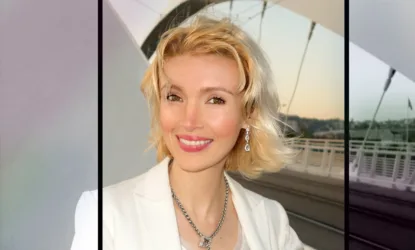
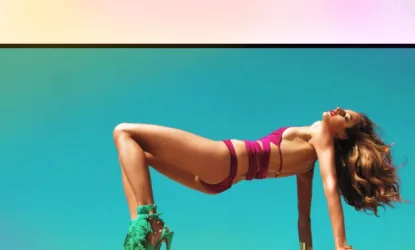
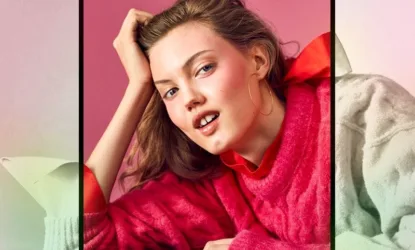

As we women are also humans, we can’t be perfect in every aspect. But finding beauty even with the most significant flaw you can see in a person brings us closer to the perfection of ourselves. Saying that someone is beautiful in their own special way can brighten that person’s day, and it helps one to accept someone with all their imperfections.
I believe that all women are beautiful no matter how young or old small or big short or tall they may be. Each and every one of us is unique and it just adds to the beauty. 🙂 🙂 🙂 🙂
In reality, any effort to broaden people’s perspective about beauty is a long shot. If you start telling people it’s okay to be imperfect, like it’s okay to have an entire face full of acne, or you’re still pretty even if you don’t take a bath, or that nevermind society’s standards don’t brush your teeth and never dress appropriately in public, that’s unrealistic. We’ve come to terms that when we’re looking at hygiene o physical appearance in general, it’s just a matter of looking good or looking bad. I think the definition of beauty is not meant to be used for personalities or talents or whoever you are as a person on the inside. There are other words such as smart, talented, intuitive, or other adjectives that can pertain to how a person is. I don’t think beauty is meant to reflect personalities or anything else other than appearance. If you think someone is a good person, then that person is kind-hearted. It’s the definition of beauty that people started to overthink about. They made it seem like it’s a pedestal that they all need to stand in. When in fact we’re all a mixture of everything else. We’ve distorted the word beauty so much that we fail to recognize what it really is.
I do agree that we just need to expand on what is thought to be beautiful. To not discriminate anything under that idea. But that’s going to be such a long process. Even that Dove campaign has its flaws. You expect people to think beauty is not just superficial when they’re trying to sell you soaps that make you look younger in 7 days? Or for people to think it’s okay to be a woman of color yet Dove sells whitening soaps? That split ends in our hair make us look dull and lifeless? It’s just a matter of making us feel insecure so that we can purchase their products. It’s not about them wanting us to think that beauty has a deeper meaning– that it’s not just on the outside but also on the inside. It’s just companies wanting to profit from our insecurities.
Unless it’s companies that don’t profit from our flaws are those that do the campaigning, maybe people will find it more believable.
People mostly confuse being healthy looking to good looking. They exercise because they want to look better and not feel better. It’s absurd.
What do you mean? Being fit looks good right? Well, I guess beauty is in the eyes of the beholder.